Bangladesh’s International Crimes Tribunal is due to issue its verdict in one of the most important cases it has ever heard. A verdict is expected Tuesday, and the ripples could be felt far beyond a courtroom.
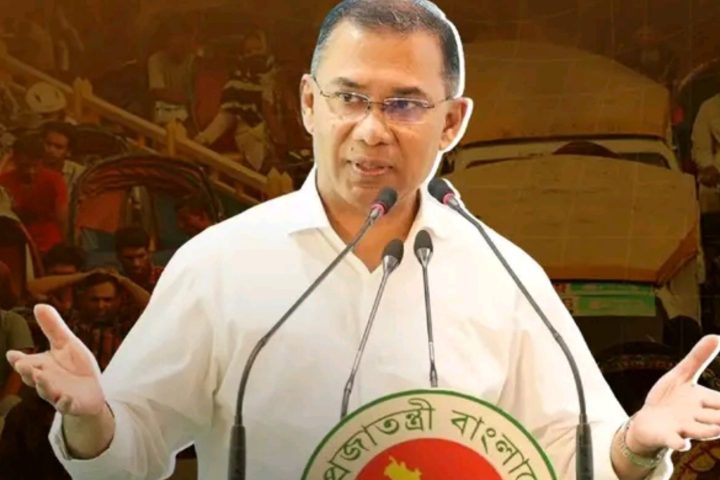
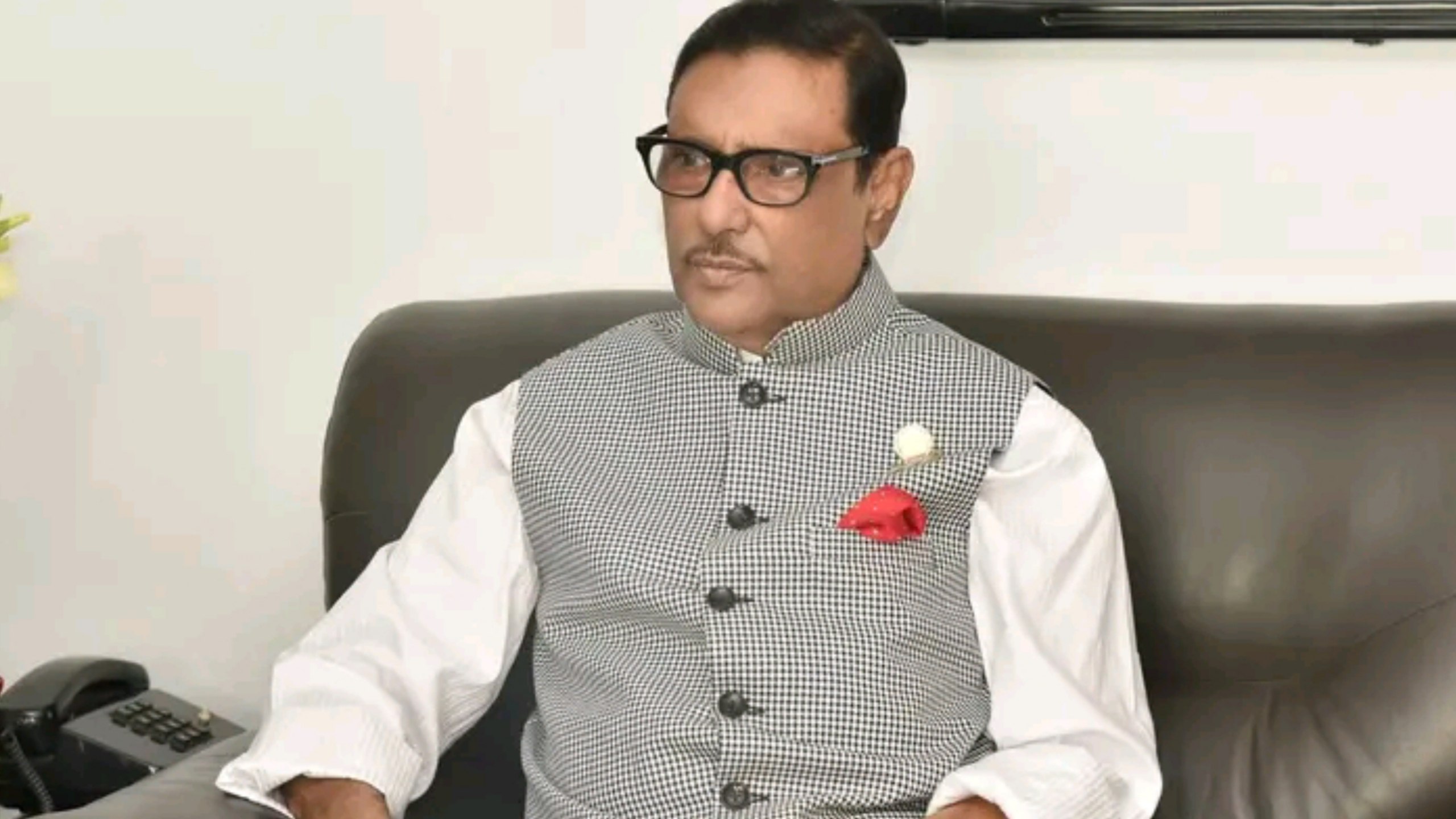
The case names Obaidul Quader, general secretary of the now-banned Awami League, and six other senior figures in the party and its affiliates. The list includes AL Joint General Secretary AFM Bahauddin Nasim, former State Minister for Information Mohammad Ali Arafat, Jubo League President Sheikh Fazle Shams Parash and General Secretary Mainul Hossain Khan Nikhil, and Bangladesh Chhatra League President Saddam Hossain and General Secretary Wali Asif Inan. All seven are on trial for crimes against humanity in connection with the July 2024 uprising. All seven remain absconding, meaning the verdict will be delivered in their absence.
What the Prosecution Based Its Case On: Chief Prosecutor
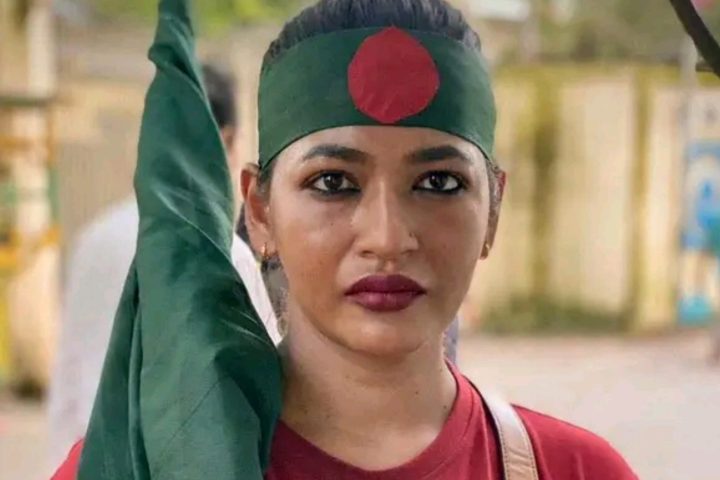
Md Aminul Islam told the tribunal that all four charges against the group had been proved, arguing that they were responsible for killing and injuring large numbers of people during the uprising. Quader was described by prosecutors as a key actor in directing party mobilisation against protesters, restrictions on internet access and the use of lethal force. They also played an audio recording, authenticated by forensic examination, in which Quader is heard asking the then-Chhatra League president why protesters were not being beaten harder. The prosecution said armed Chhatra League men later attacked unarmed students at Dhaka University on July 15, 2024 and injured over 300 people.
A Trial upon the Ground of Testimony Abundant
The tribunal recorded evidence of 29 prosecution witnesses, including the investigating officer, and concluded evidence on August 2. The prosecution took six days to deliver its closing arguments, and two state-appointed defence lawyers took five more, finishing on August 17. A three-member bench headed by Justice Nazrul Islam Chowdhury then put the case on curia advisari vult – a formal reservation of judgement – and fixed Tuesday, September 15, for its verdict.
Discover More Stories Worth Your Time
Explore Why Dengue Cases Rising?
Discover what is driving Bangladesh’s latest dengue surge and the health concerns emerging nationwide.
Check How Sylhet Border Watch Improves?
Explore how the new facility strengthens Bangladesh’s border surveillance and drone capabilities.
See Why Rising Seas Threaten Dhaka?
Discover why the UN warns millions across Mumbai, Kolkata, and Dhaka face immediate coastal risks.
Find Why Trump Praised Tarique?
Explore what the US president’s letter says about the Boeing aircraft deal.
Learn How Adani Supply Returns?
Discover how Bangladesh’s payment settlement helped restore full electricity supply from the Godda plant.
Why This Verdict Matters More
This case is not an isolated one. This comes after Bangladesh’s International Crimes Tribunal sentenced Sheikh Hasina to death in absentia in November 2025 for the same crackdown on the uprising. Such a conviction would send that legal reckoning down through the structure of the Awami League’s senior leadership, reinforcing the tribunal’s broader effort to hold the party’s entire chain of command responsible — not only its former prime minister.
The Political Stakes
Quader, a senior cabinet minister, had been the familiar face of the Awami League government and its general secretary for years. A conviction of him and six other senior figures would judicially validate what Bangladesh’s interim government has been saying since 2024: the crackdown on protesters was not the work of a handful of rogue actors but a coordinated effort from the top of the party and its affiliated student and youth wings.
“For Bangladesh’s political landscape going into elections, the ruling could harden the case against any future rehabilitation of Awami League figures, and further entrench the party’s marginalisation from formal politics. It also could affect how Bangladesh’s courts handle the dozens of other cases still winding their way through the tribunal system.
What to look for
With all seven defendants on the run, none can appeal from custody, and the immediate legal fallout may be limited for now to the official record of the tribunal. The real impact is likely to be political, in the way the ruling is used, debated and contested by Bangladesh’s parties, media and the diaspora communities still closely following accountability for the July 2024 crackdown. If the verdict comes down Tuesday, it could go down as a defining moment in Bangladesh’s post-uprising reckoning.