
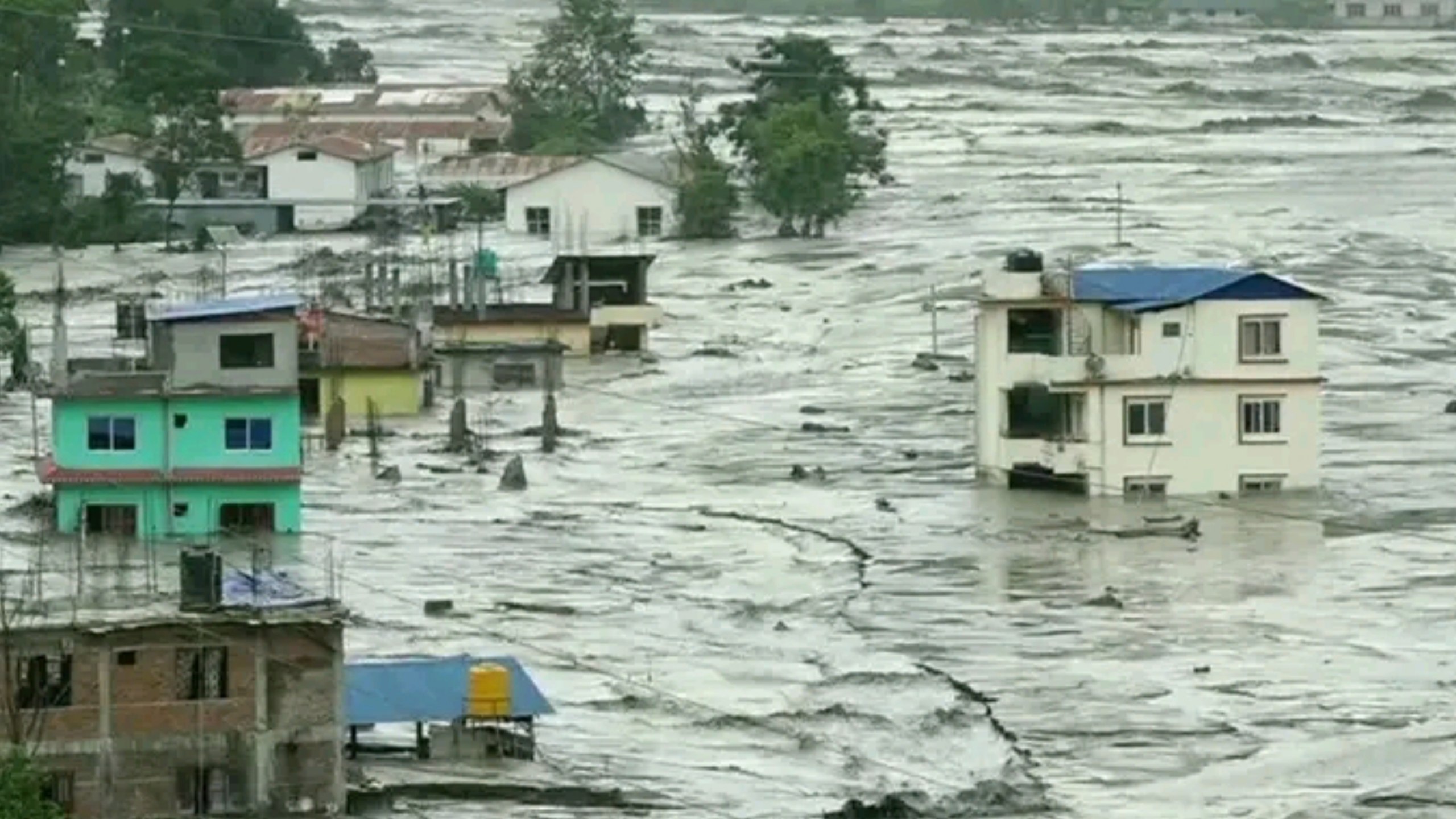
A devastating flood that swept through Nepal’s Bhotekoshi river system on August 26 has shut down hydropower projects and sharply reduced the country’s electricity exports across the region.
Bangladesh, which only recently began receiving Nepali electricity through the Indian grid, has been hit especially hard, with exports to the country effectively stopped altogether. Nepal had been sending an average of about 1,000 megawatts of electricity during the wet season before the floods; that figure has since fallen to around 650 MW.
The Two Plants Bangladesh Depended On
Two hydropower projects specifically authorised to supply Bangladesh, the 22.1 MW Chilime Hydropower Project and the 24 MW Trishuli Hydropower Project, were damaged in the flooding and have stopped generating electricity entirely since last week.
With both sources offline, Nepal’s power authority has asked India, through whose grid the electricity must pass, to allow supply from an alternative project to fill the gap, according to Dirghayu Kumar Shrestha, acting managing director of the Nepal Electricity Authority.
Why Bangladesh and Nepal Can’t Trade Power Directly
The disruption highlights a structural quirk of this young energy relationship. Nepal and Bangladesh sit only about 14 miles apart, but a narrow strip of Indian territory separates them, meaning all electricity traded between the two countries must cross Indian infrastructure.
That arrangement has previously left Bangladesh’s access to Nepali power subject to the state of relations between Dhaka and New Delhi, adding a layer of geopolitical risk on top of the physical damage from this flood.
A Setback at the Worst Possible Time
The timing could hardly be worse for Nepal’s export ambitions. In the fiscal year ending mid-July, Nepal became a net electricity exporter for the first time in nearly a decade, earning close to 18.75 billion rupees, or roughly 142 million dollars, from sales to India and Bangladesh combined.
Nepal’s export model depends entirely on its seasonal rivers: monsoon rains generate a surplus for export, while dry-season flows force the country to import power from India instead. The Bhotekoshi floods have disrupted that cycle at precisely the moment Nepal would normally be maximising its export earnings, and the damage arrived alongside a new 5% value-added tax on household electricity that took effect in mid-July.
A Bigger Warning Sign for Nepal’s Hydropower Bet
The scale of the damage extends well beyond the two plants supplying Bangladesh. The floods, which originated near the Nepal-China border, knocked out roughly 10% of installed power from Nepal’s national grid and struck Bagmati province, the country’s main hydropower-producing region.
Nepal’s energy ministry has confirmed the country will now buy electricity from India to cover domestic shortages in the coming months while a post-disaster needs assessment determines how long full recovery will take.
The disruption lands squarely on Nepal’s broader hydropower strategy, which aims to grow generation capacity more than sixfold to nearly 30 GW by 2035, with over half destined for export to India and Bangladesh.
Electricity Regulatory Commission chairman Ram Prasad Dhital has said developers will need to build sturdier infrastructure going forward, with the added cost ultimately passed on to consumers, and has proposed a dedicated loss-and-damage fund for hydropower projects to help cover recovery from this flood and future disasters.
Discover More Stories Worth Your Time
Explore Why Dengue Cases Rising?
Discover what is driving Bangladesh’s latest dengue surge and the health concerns emerging nationwide.
Check How Sylhet Border Watch Improves?
Explore how the new facility strengthens Bangladesh’s border surveillance and drone capabilities.
See Why Rising Seas Threaten Dhaka?
Discover why the UN warns millions across Mumbai, Kolkata, and Dhaka face immediate coastal risks.
Find Why Trump Praised Tarique?
Explore what the US president’s letter says about the Boeing aircraft deal.
Learn How Adani Supply Returns?
Discover how Bangladesh’s payment settlement helped restore full electricity supply from the Godda plant.
What This Means for the Region’s Green Energy Ambitions
Bangladesh’s brief taste of Nepali hydropower had been framed as an early step toward a wider regional vision, one industry executive described as Nepal serving as the region’s green energy battery, supplying both India and Bangladesh’s growing appetite for clean power.
The Bhotekoshi floods are a sharp reminder that the Himalayas’ vulnerability to landslides, glacial outbursts, and flash floods poses a direct threat to that vision, and that Bangladesh’s energy security, at least for now, remains hostage to weather patterns and infrastructure hundreds of kilometres upstream.
FAQ
Why did Nepal’s electricity exports to Bangladesh stop?
Floods on the Bhotekoshi river system on August 26 damaged the Chilime and Trishuli hydropower plants, the two projects specifically authorised to supply electricity to Bangladesh.
How much did Nepal’s electricity exports drop overall?
Nepal’s wet-season exports fell from an average of about 1,000 megawatts to around 650 megawatts following the floods.
Why does Bangladesh’s power supply from Nepal depend on India?
Nepal and Bangladesh are separated by a narrow strip of Indian territory, so all electricity traded between the two countries must pass through India’s grid.