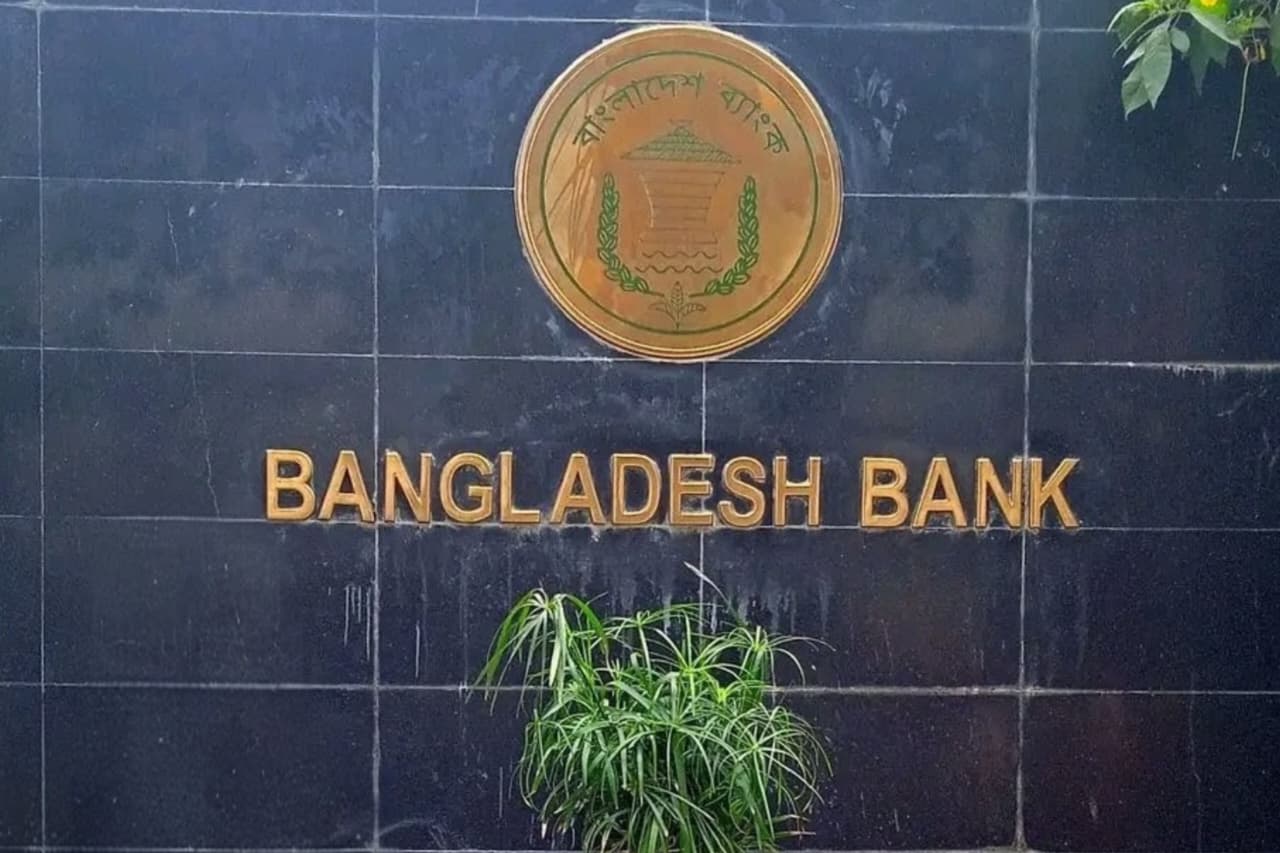
In the first half of fiscal year 2025, the government of Bangladesh borrowed a lot more money from sources other than banks. It is said that net borrowing was about Tk 24,688 crore in six months, which is more than three times the amount (Tk 7,089 crore) borrowed in the same six-month period last year. Total domestic borrowing for all of FY 2025 has also gone up by about Tk 31,432 crore, which shows that people are relying more on domestic funding sources.
Big Reasons Why Borrowing Has Gone Up
The main reason for this big rise in borrowing is that special bonds will be issued to pay off debts owed to electric power and fertiliser producers. Non-bank investors have also been buying a lot of Treasury Bills and Government Securities.
Insurance companies, provident funds, mutual funds, and other institutional investors are very interested in government securities, especially when inflation is high, and the CPI is above 9%. This has also led to more borrowing from sources other than banks. Also, the Government can help keep inflation low and ease the pressure on banks’ liquidity by not borrowing directly from the Central Bank.
Risks and Effects on the Economy
This trend is worrying, even though it helps in the short term. When the government borrows a lot of money, it may take away credit from the private sector, making it harder for businesses and small and medium-sized enterprises (SMEs) to get money. Also, if economic growth slows down, a growing reliance on bonds could make long-term debt less stable.
Read Also: Energy Crunch in Bangladesh: Could Longer Weekends, Online Classes, and Work-From-Home Be the New Normal?
FAQs
1. Why is borrowing from sources other than banks on the rise?
To keep deficits in check and not have to borrow from the central bank.
2. Who are the main investors?
Individuals, insurance companies, mutual funds, and provident funds.
Summary
In the first half of FY2025, Bangladesh’s government borrowed a lot more money through non-bank channels. This was because there were more stock issuances, and investors were more interested in these instruments. This is a good step for the country because it means it won’t have to borrow from its central bank, but there are risks to both private sector credit and the long-term ability to pay off its debts.