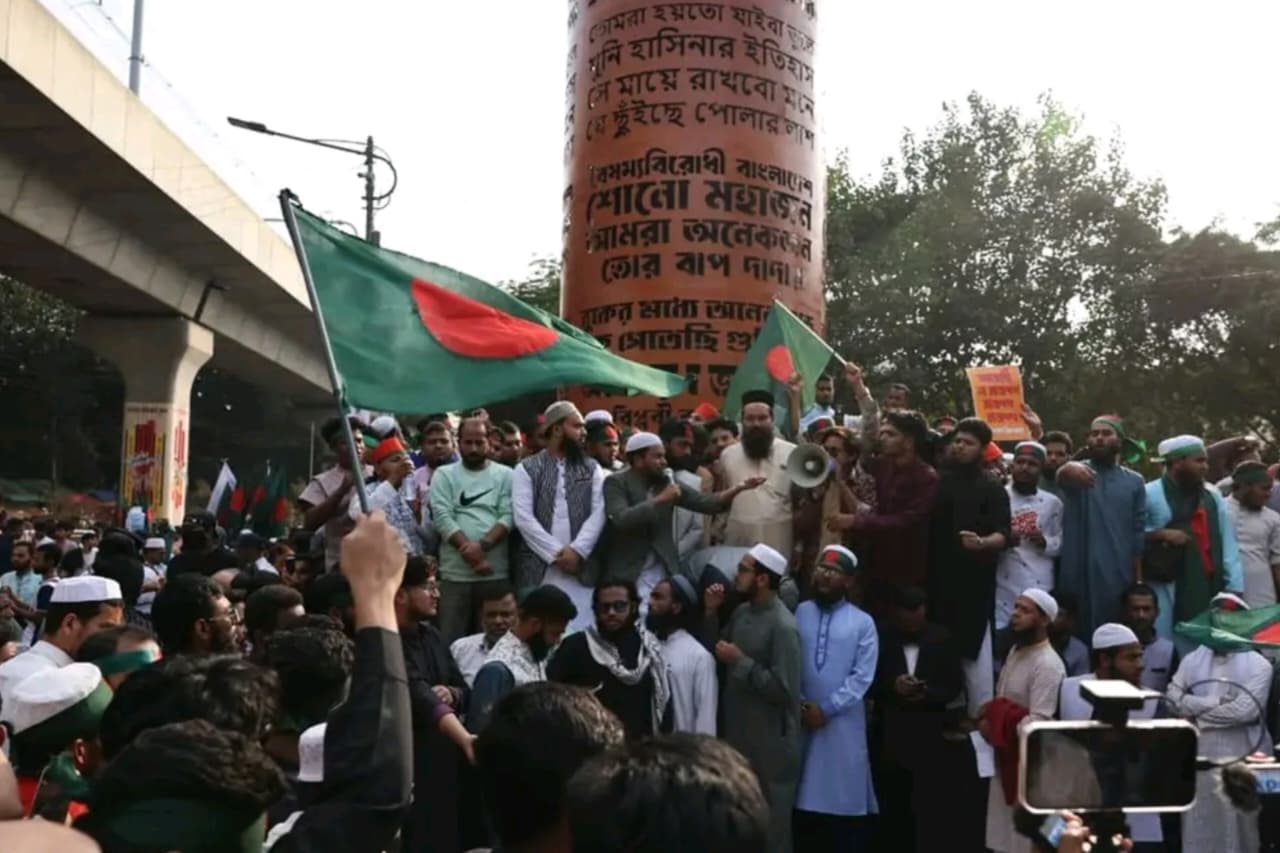
The unrest in Bangladesh has again attracted the attention of the world community with the rampant protests in large urban areas caused by political tensions, discontent among the youth, and alleged abuse of power. What started as small protests soon progressed into a countrywide bedlam as they proved that there was more at stake, in terms of governance, employment and civil liberties. The 2010 Bangladesh unrest can be explained by the growing frustration of the young citizens who cannot feel included in the decision-making process and economic opportunities. With demonstrations growing due to the death of a youth leader, the issues of accountability, freedom of expression, and political stability emerge. It is important to understand the real causes of Bangladesh unrest to determine the long-term consequences of its implication to the country.
Political Tensions at the Core
The core of Bangladesh unrest is the polarized political environment that is on the rise. The old hostilities between political parties have worsened the mistrust and opposition groups claim that they are being suppressed. Protests and arrest of political activists have only increased the anger of citizens. Absence of meaningful communication between the ruling elites and the opposition leaders focuses on creating even bigger rifts thereby complicating the process of reconciliation further extending the Bangladesh unrest.
Youth Discontent and Leadership Crisis
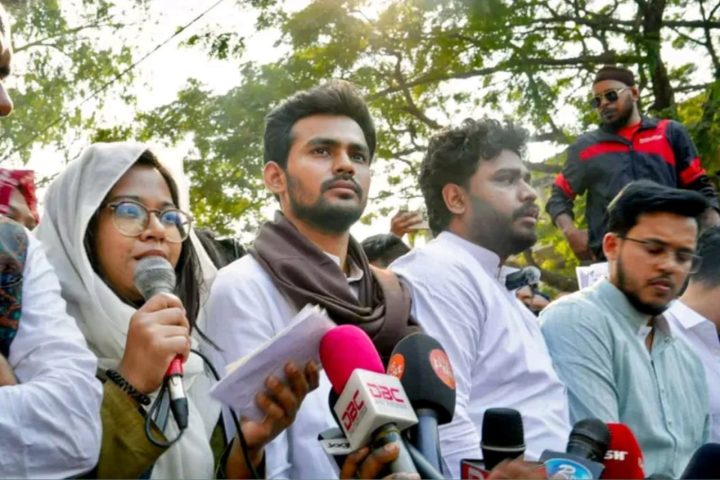
The young people are one of the features that characterized the Bangladesh unrest. Most of the youths have been disillusioned because of high unemployment levels, increasing cost of living and a lack of career prospects. His recent passing as a youth leader became a triggering factor as frustration turned into big scale demonstrations. Youth protesters take the event as representative of the bigger injustice and propel the Bangladesh upheavals to a more emotive and extensive wave of agitation seeking accountability.
Economic Pressures and Cost of Living
Another significant factor of Bangladesh unrest is economic stress. The high price of inflation, rising fuel prices and insecurity of jobs have tightened the household budget. Economic policies are believed to support the rich people at the expense of the masses and this is a concern to many citizens. These strains have heightened the displeasure of the people and thus the economical complaint is a strong pull factor in the situation in Bangladesh that has led to the unrest and protests seen in the streets.
Concerns Over Human Rights and Free Speech
Freedom of expression and human rights are also among the reasons behind Bangladesh unrest. Activists, journalists and protesters allege on the limitation of speech and assembly. The claims of security agencies using excessive force during protests have generated anger, both locally and on the global front. This kind of activity strengthens the understanding of people about the shrinking democracy space, contributing to the momentum of the Bangladesh unrest.
Regional and Global Implications
The current unrest in Bangladesh is not confined only to its national boundaries. The foreign investment, regional stability and diplomacy might be impacted in case tensions continue. The world is closely following the situation, calling upon moderation and negotiation. The Bangladesh unrest needs to be solved peacefully in order to regain confidence and bring stability in the long run.
Read Also: Why Classic Bangla Films Continue to Win Hearts Across Generations