The violence in Bangladesh has grown after the assassination of Sharif Osman Hadi, the leader of the July uprising, and this led to the country being back into an uncertain situation just coming before the national elections of 2026. This started as a political instability but within a short period of time, it has escalated into a wider crisis characterized by cultural heritage attacks, ethnic strife and a decline in law and order. Starting with mass demonstrations in Dhaka, up to arson of cultural symbols, Bangladesh violence is currently endangering the pluralistic identity of this country. With the issue of political uncertainty increasing, the safety of the democratic institutions, minority groups, and the rich cultural heritage of Bangladesh is becoming a point of concern.
Political Unrest After Sharif Osman Hadi’s Death
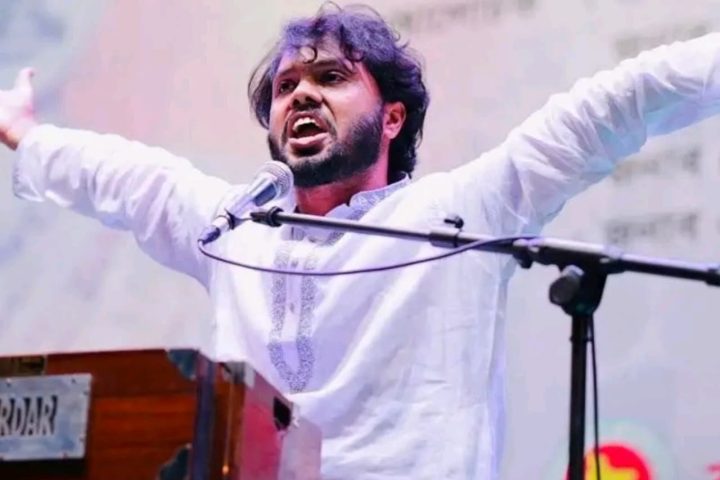
The situation in Bangladesh intensified through the violence, which was witnessed when Sharif Osman Hadi was shot dead on 12 December 2025. His demise coincided with an increase in political tension and the national elections should be held on 12 February 2026. On 20 December, Hadi was flown out of Singapore and buried in Dhaka in front of huge masses of people. The government announced national day of mourning and security was enhanced in all sensitive areas, including the complex of parliament.
Interim government chief adviser Muhammad Yunus gave tribute to Hadi referencing him as a lasting symbol of resistance. Nonetheless, after funeral conflicts arose as mourners tried to march towards the Jatiya Sansad thus compelling security forces to step in. The occurrence of these events further encouraged the violence in urban centers of Bangladesh.
Cultural Heritage Targeted Amid Chaos
The targeting of the cultural institutions directly has been one of the most concerning itself regarding the current violence in Bangladesh. Assailants burnt down Chhayanot, a respected cultural organization that was also used to promote Bengali music and traditions since 1961 on 20 December. Decades of archives, instruments, and education were destroyed in the attack, and it was a great harm to the cultural heritage of the country.
The perpetrators were reported to have vandalized the premises wearing helmets and shouting religious slogans by eyewitnesses. Despite the common view of Chhayanot being culturally aligned to Bengali nationalism, the party has been non-partisan. The outrage has been caused throughout the civil society and the attack has been described by many people as a blow on the secular and pluralistic ideals of Bangladesh.
Condemnation and Communal Tensions
Communal turn has also been witnessed in Bangladesh violence. The continued weakness of minority was underscored by the lynching of a Hindu youth Dipu Chandra Das in Mymensingh after he was accused of blasphemy. Seven suspects were arrested, but the event fueled the level of religious extremism.
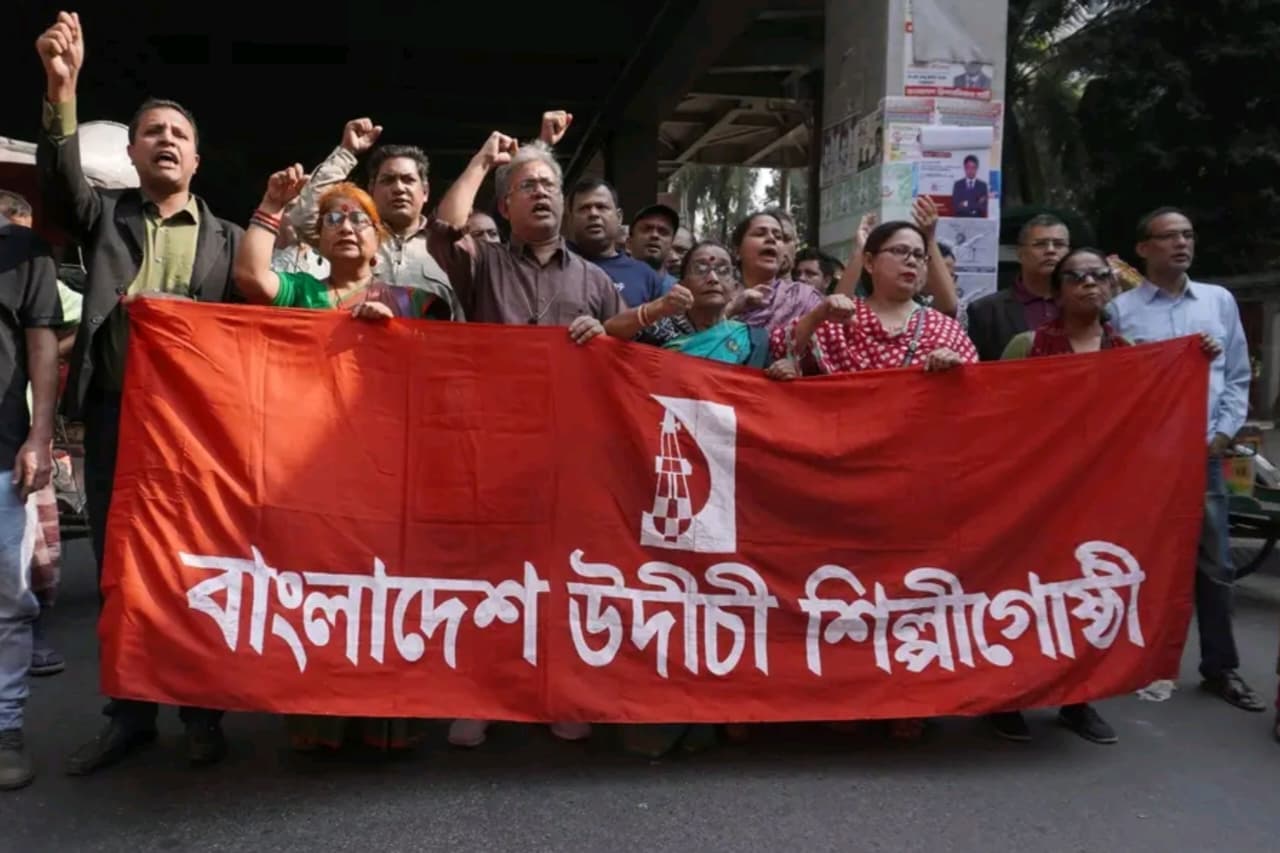
Such cultural organizations as Udichi Shilpigoshthi organized demonstrations following the attack on their offices, and Education Adviser Dr. C.R. Abrar denounced attacks on cultural and media institutions in strong language. Even the leadership of the National Citizen Party used such appeals as they urged the people to remain peaceful, and not to use their anger to destroy.
Regional and Political Implications
The continuing violence in Bangladesh has attracted the attention of other countries. The political parties in India such as the CPI(M) have raised concern about the minorities attacks as well as the attack on cultural institutions. With the impending elections, Bangladesh is at a crossroad that is very critical in terms of political stability, cultural safeguarding and social harmony.
Read Also: Export and Import Trends of Bangladesh: Key Trade Shifts Driving Economic Growth