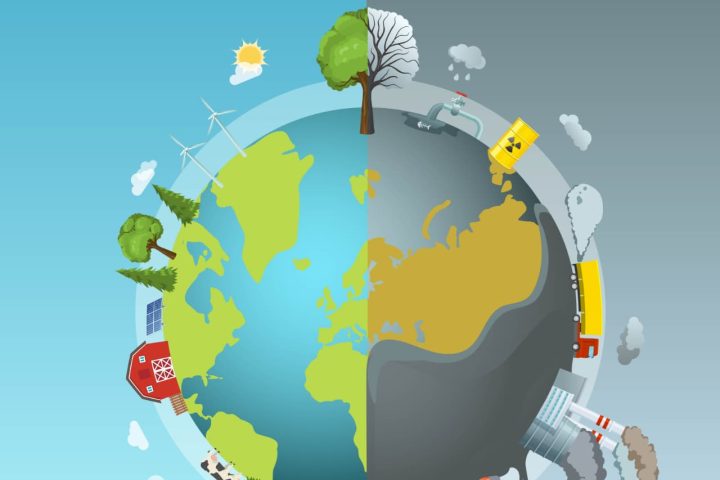
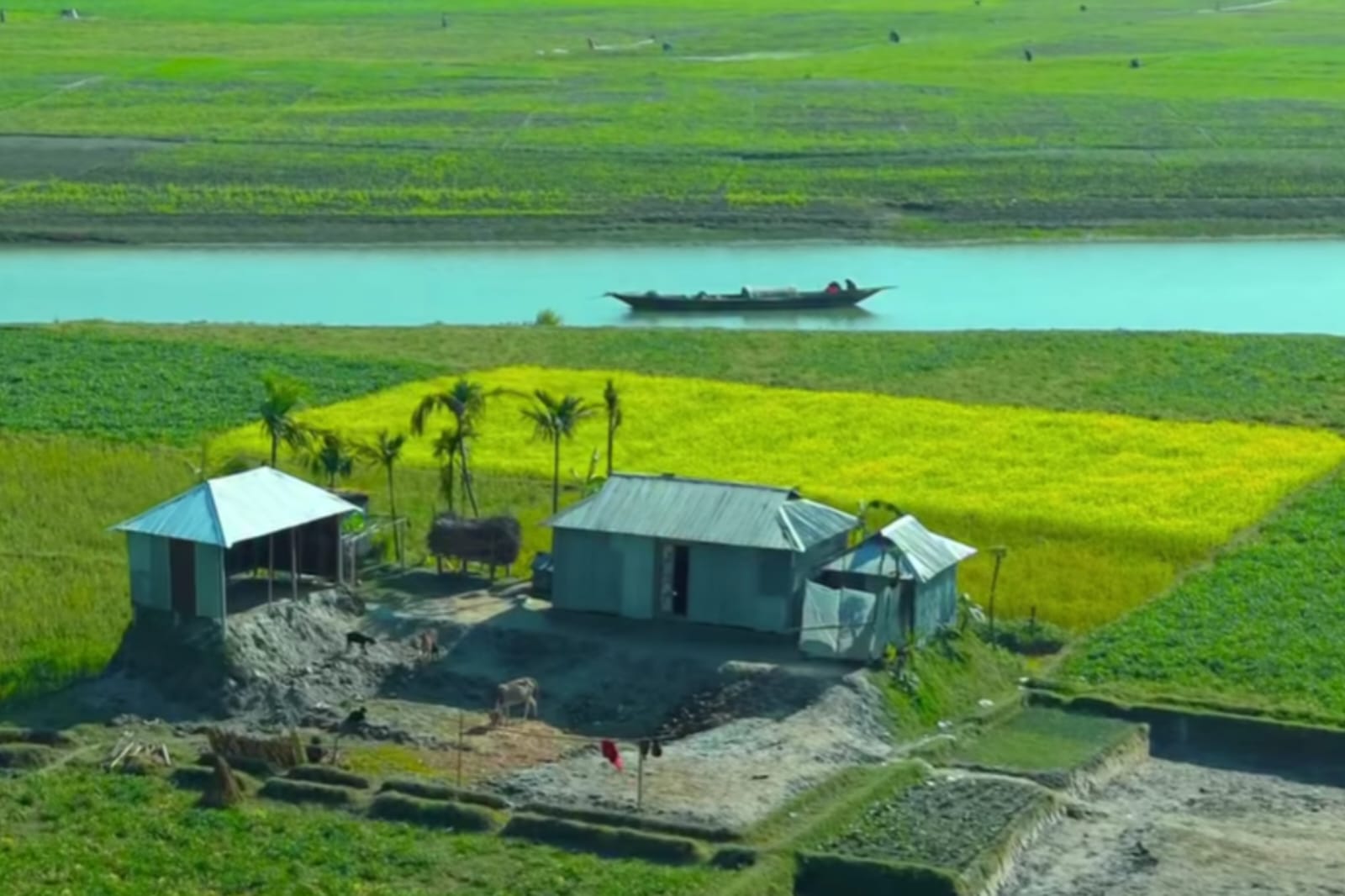
With hundreds of rivers supporting agriculture, transport and daily life, Bangladesh is one of the world’s most river-dependent countries. Climate change is rapidly disrupting these river systems by increasing global temperatures, changing precipitation patterns and altering upstream river flows. Therefore, the vulnerable nature of the Bangladeshi river system is being adversely impacted by climate change.
The changing nature of the river due to climate change is impacting the daily lives of those who live along the banks of the river. As such, these changes are not only “threats that will happen in the future” but also everyday occurrences.
More Erratic Rain Patterns and Increasing Intensity of Floods
The implications of climate change have created more extreme types of rainfall in South Asia. Rainfall during the monsoon periods has been shorter in duration, but the magnitude of the storms that accompany the monsoon rains has increased dramatically. As a result, it is not uncommon for many rivers to exceed their banks from the flooding associated with such rainfall events.
Added to this have been the increased frequency of flash flooding events in the northern and northeastern areas of the country. This has resulted in crop damage and loss of livelihood for affected communities.
Riverbank Erosion on the Rise
Accelerated Erosion of Riverbanks is one of the most visible Impacts of Climate Change on Bangladesh’s Rivers. Stronger flood currents erode riverbanks and wash away Homes, Schools and Farmland. Whole Villages must relocate as Their Rivers change course.
The erosion of the Riverbanks has created an Increasing number of Climate-Displaced People with Little to No Resources to help them.
Dry Season results in Water shortages
Floods Become More Intense During Monsoons; however, Dry Seasons are becoming much more Severe. Upstream Water Diversion and Diminished Rainfall have resulted in Low River Flows during the Winter Season. This Creates Significant Water Scarcity for Irrigation, Fisheries, and Drinking Water in the southern & western regions of Bangladesh.
Salt Water Intrusion caused by Rising Sea Levels add to the problem in Coastal Rivers.
Threats to Agricultural and Food Security are Directly Related to Changing River Behaviour, because Agriculture is Highly Dependent on Predictable Water Cycles. Flood Damage, Erosion and Salinity are all contributing to the decreased Amounts of Crops and increasing Threat of Food Insecurity. Fisherfolk are also experiencing Decreasing Fish Populations as River Ecosystems are disturbed.
The people of Bangladesh are taking Action to adapt to the changing River Landscape by developing River Management Projects and the construction of Embankments and climate-resilient planning; however, Experts are saying that Long-Term Solutions will require Regional Cooperation, Sustainable Water Use, and Global Action relating to Climate Change.
FAQs
Question 1: What are some reasons that make Bangladesh particularly vulnerable to river change?
Bangladesh’s low, flat geographic area, combined with a dense network of rivers, has resulted in a great dependence on rivers and a significant impact from climate change.
Question 2: What impact does climate change have on flooding?
Due to increased rainfall events, faster-flowing river conditions create more opportunities for floods and increased frequency of riverine flooding.
Question 3: How does riverbank erosion occur?
Riverbank erosion occurs when strong currents cause the washout of material, destroying homes and agricultural land due to the land washing away.
Question 4: What effect does sea-level rise have on rivers?
As the ocean rises, the ocean pressures its seawater into freshwater rivers, leading to a reduced water quality for agriculture and lower-quality water for consumption.
Question 5: What would it take for Bangladesh to adapt to these conditions?
With the cooperation of neighbouring countries, in combination with long-term strategies for adaptation and mitigation, Bangladesh would be able to adapt to the impacts of climate change.
Read Also: 25th December: Traditions, Celebrations, and Cultural Importance Around the World