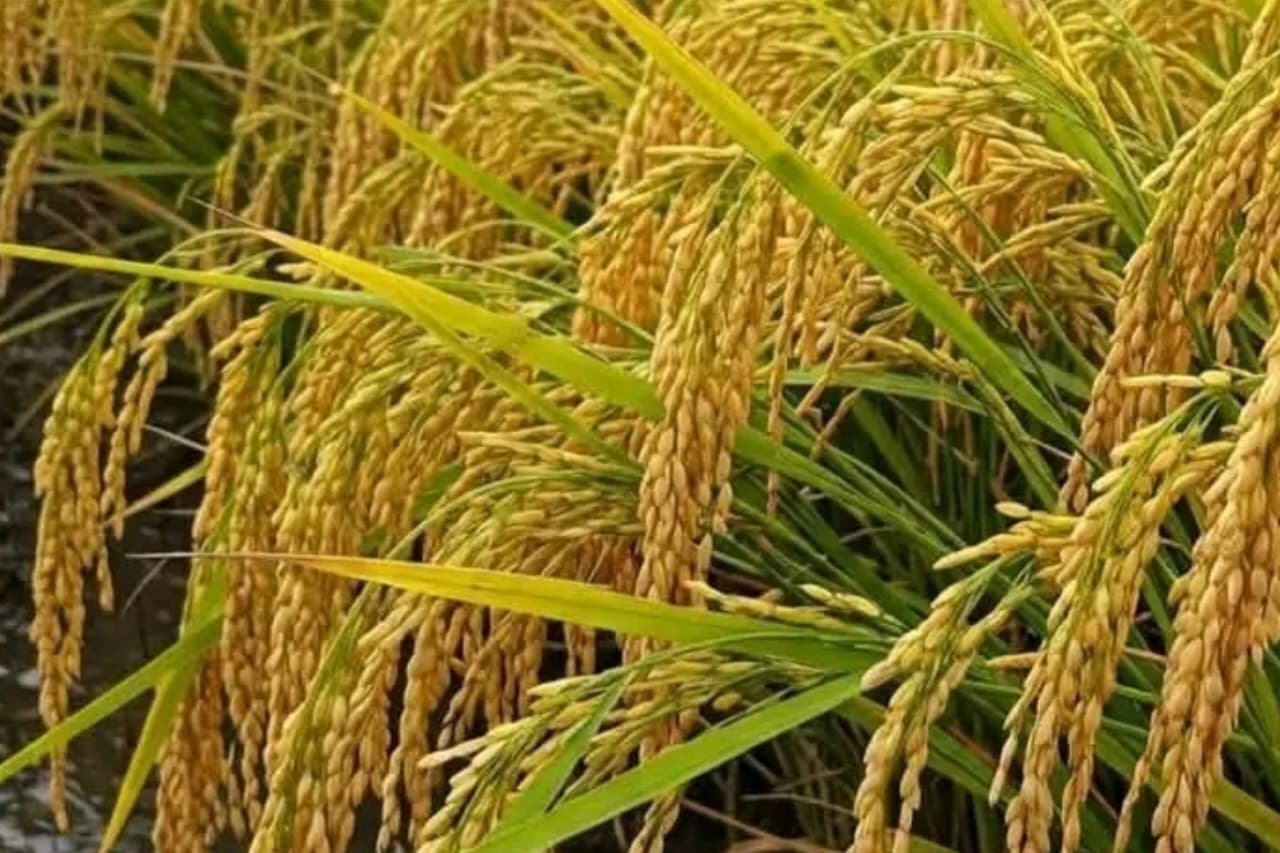
As climate change is beginning to grip global agriculture, Bangladesh has quietly emerged as a laboratory of the cognisance of hope. With floods, salinity, droughts, and rising temperatures, the country has shaped rice farming into climate-resilient farming that blends innovation with tradition. The experience offers valuable lessons on food insecurity in the world.
A Nation on the Climate Frontline
Bangladesh is one of the most climate-vulnerable countries on earth. Floods, cyclones, and saltwater intrusion regularly threaten farmlands. As the nation’s staple food, rice is very sensitive to these stresses. Instead of retreating, Bangladeshi farmers and scientists have adapted to the challenges and turned adversity into opportunity.
Climate-Smart Rice Varieties
Climate-smart rice Varieties have been produced in Bangladesh that are tolerant to drought, floods, and salinity. Examples of these climate-smart rice varieties are BRRI dhan51, BRRI dhan52 (submergence-tolerant), BRRI dhan67 (salinity-tolerant), and BRRI dhan71 (drought-resistant). The above-mentioned climate-smart rice varieties allow Farmers to continue to have a yield as a result of extreme climate conditions.
Innovation at the Grassroots
What makes Bangladesh’s success different is how innovation reaches small farmers. Extension programs, cooperatives, and NGOs help farmers adopt new seeds and techniques. Simple practices like raised seedbeds, alternate wetting and drying, and improved irrigation can lead to increased yields.
The Intersection of Technology & Tradition
A growing use of digital technology is also providing additional tools that support sustainable climate-resilient agriculture, such as Mobile Applications and SMS Services (text messages), to deliver weather and climate forecasts, planting recommendations and pest alerts, directly to farmers. These digital tools complement the Indigenous knowledge that many farmers have learned through generations, thus allowing farmers to make better, more informed decisions about farming practices in unpredictable weather and climate conditions.
Economic and Social Dimensions of Climate-Resilient Farming
The benefits of climate-resilient farming extend beyond just production, with the stability of rice farming providing rural households with stable incomes and lessening their migration pressures, which enhances a country’s food security. Training and education have empowered women farmers by developing their skills to enable them to become better producers of rice through greater knowledge of seed selection and post-harvest agricultural processes.
What Bangladesh’s Rice Innovation Can Teach Other Nations
Bangladesh’s development of such a resilient rice crop demonstrates that the use of expensive technologies may not always be necessary to help farmers adapt to a changing climate. Developing customised solutions locally, having access to science-based information from reputable research institutions, and encouraging the inclusion and participation of farmers are critical to developing successful solutions for farmers who face similar challenges due to the changing climate.
The Future
As Bangladesh begins to understand the greater risk of climate impacts, it continues to evolve its plan to create climate-resilient rice crops sustainable for future generations, while also developing production methodologies to allow them to be grown at a large scale (scalability). Bangladesh’s rice fields today represent a living example of the concept of resilience in a climate-impacted environment. Hopefully, the lessons learned from Bangladesh’s rice fields will continue to help feed millions of people throughout the world who are confronted with similar impacts from climate change.
Commonly Asked Questions
(1) What Type of Rice Is Climate-Smart?
Climate-smart rice is a rice strain bred to be able to endure (i.e., survive) key aspects of climate-related shocks such as flooding, drought, salinity, and heat stress.
(2) Who Produces or Develops Climate-Smart Rice in Bangladesh?
Currently, the majority of climate-smart rice is produced or developed by the Bangladesh Rice Research Institute (BRRI).
(3) How Do Climate-Smart Rice Benefit Small-Rural Farmers?
For small rural farmers, climate-smart rice has the ability to provide greater crop insurance against loss, create more predictable income, and contribute to improved food security for small holders.
(4) Can Other Countries Use or Use These Varieties?
Yes. Other countries that are similarly threatened by climate change can also develop climate-smart rice varieties to suit their local growing environments.
Read Also: Bangladesh Must Expand Freelancing to Secure Its Future: Asif Nazrul