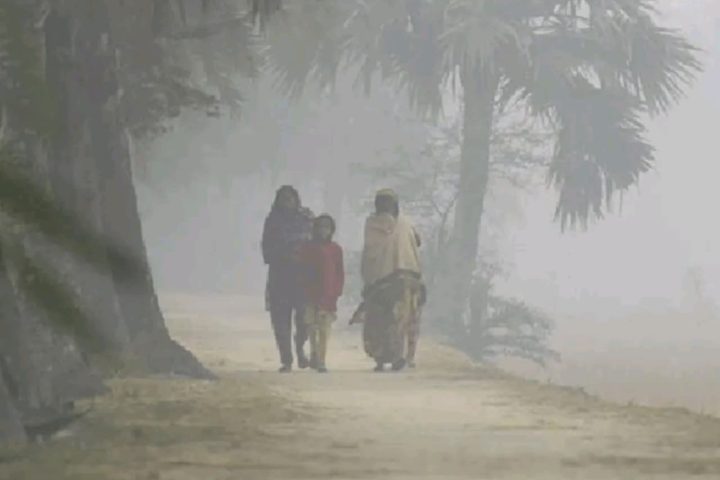
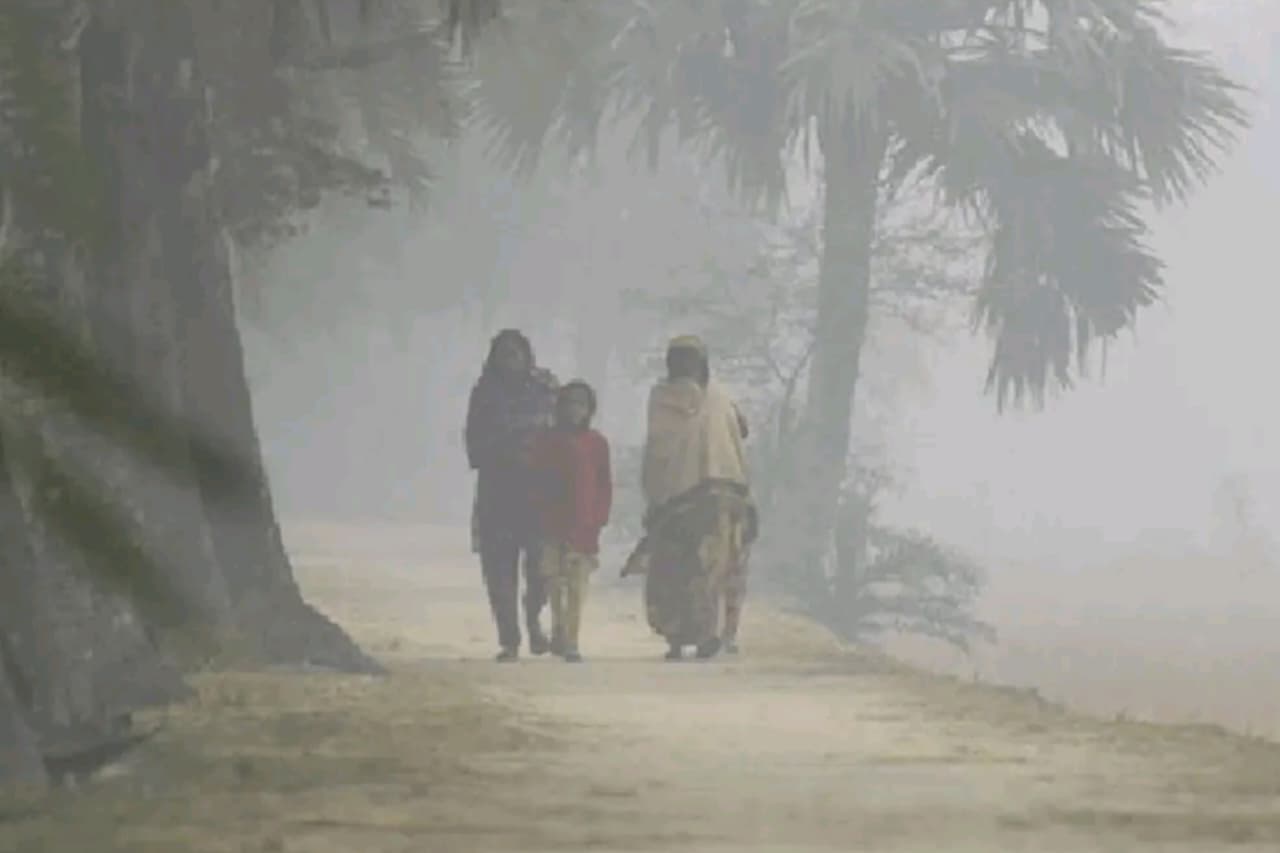
This week, a cold snap that has impacted parts of Bangladesh is expected to intensify significantly as meteorologists predict decreasing daily and nightly temperatures in areas of northern and western Bangladesh. The Bangladesh Meteorological Department (BMD) has advised that a mild cold could become a moderate to strong cold snap, with minimum temperatures forecast to drop as low as 4-6°C in selected areas. Daily routines within many parts of Bangladesh are already being disrupted by this year’s winter weather, including the presence of heavy fog in river valley areas, reduced travel times and scheduling issues from the many delays at Dhaka’s Hazrat Shahjalal International Airport.
Expected Decreased Temperatures and Fog Hazards
According to authorities and experts in weather science, the following adverse weather conditions will result from the impending enhancement of the cold:
- Reduced minimum temperatures for districts including: Rajshahi, Pabna, Nilphamari, Kurigram, among others.
- Consistent and persistent fog throughout the early morning hours; adversely affecting transportation via road, water and air, as well as greatly reducing visibility.
- The difference between daytime high heat and nighttime low heat will become smaller, hence increasing the apparent intensity of the cold.
In urban centres such as Dhaka, where there are large concentrations of people and economic activity, the cold may feel milder than in rural or lower-income areas, due to the Urban Heat Island effect.
The Health and Social Impact of Cold Weather on Individuals
Health services have prepared for an uptick in the number of cases of “winter-related diseases.” During the recent cold spells, hundreds of thousands of people suffered from illnesses such as a fever, pneumonia, runny nose, cough, or asthma, as temperatures dropped. According to the public health authorities, “cold stresses” the public health systems, especially for older adults, children, and those who work outside.
Throughout the entire region of the world, cold-related illnesses will be responsible for the majority of people being hospitalised, which shows just how large a public health issue sustained cold waves create.
The Cold Wave in Bangladesh also represents a Regional Weather Trend of South Asia
The increase in cold temperatures being experienced over Bangladesh is becoming more representative of the regional weather trends found throughout South Asia. Northern India has recently experienced extreme cold temperatures, temperatures dropping to near freezing, extreme fog conditions, and extreme snowfall. Meteorological agencies in India have additional caveats stating that these cold wave/cold day conditions will likely continue throughout the plains and foothills of the Himalayas.
The fog and low temperatures have caused considerable disruption in travel for many individuals throughout northern and eastern India, including cancelled flights, and these disruptions are expected to continue throughout both regions, creating similar patterns of weather-related stress for people living in Bangladesh.
Why is Chill Strengthening?
Meteorologists state that continued cold air masses migrating southward from the area east of the Himalayas, along with clear night-time skies and stagnant winds, have created a situation where the rapid drop in temperatures at the end of each day occurs. As the air cools down to the ground level, a thick fog accumulates; moisture is locked in the low-level fo,g and close proximity to the ground increases the overall temperature drop in the area.
With this pattern of meteorological conditions, this cold wave is expected to be in effect for many days or longer; no significant process of warm air moving into our area should occur soon.
Residents Should Consider the Following Precautions
City Officials encourage the public to implement the following measures to reduce their exposure to the cold:
•Monitor Weather Alerts from BMD.
•Dress appropriately, keep warm during the evenings, etc.
•Protect vulnerable groups (i.e., children, old people, and outdoor workers).
Exercise increased caution while driving in fog; employ the use of fog lights; reduce speeds; adjust headlights downward. Prepare for delays on public transportation due to the lack of visibility.
Frequently Asked Questions
1. What does cold wave mean?
A cold wave means an extended period of extremely low temperatures (usually accompanied by high winds and very low visibility).
2. What causes cold waves to become more severe right now?
Cold air from the Himalayas is moving south, and as a result, the temperatures are dropping and are now significantly colder than they would normally be at this time of year. It is also important to mention that there are stable nighttime temperatures, which contribute to the dropping temperatures.
3. What are the areas of Bangladesh that will experience the coldest temperatures?
The northern and western portions of Bangladesh will experience the coldest temperatures and the thickest fog.
4. What can individuals do to protect themselves from the effects of the cold wave?
The safest way to stay warm during a cold wave is to dress in layers, keep exposed skin covered, refrain from unnecessary travel during the fog, and provide heat for those who are the most vulnerable.
5. Does a cold wave have health risks?
Yes, individuals can become ill as a result of the cold. Cold air can create respiratory problems, and with prolonged exposure to the cold, those who are unprotected can be at risk of hypothermia and other health conditions related to the cold.
Read Also: Health Benefits of Date Palm Jaggery: Why It’s a Better Alternative to Sugar