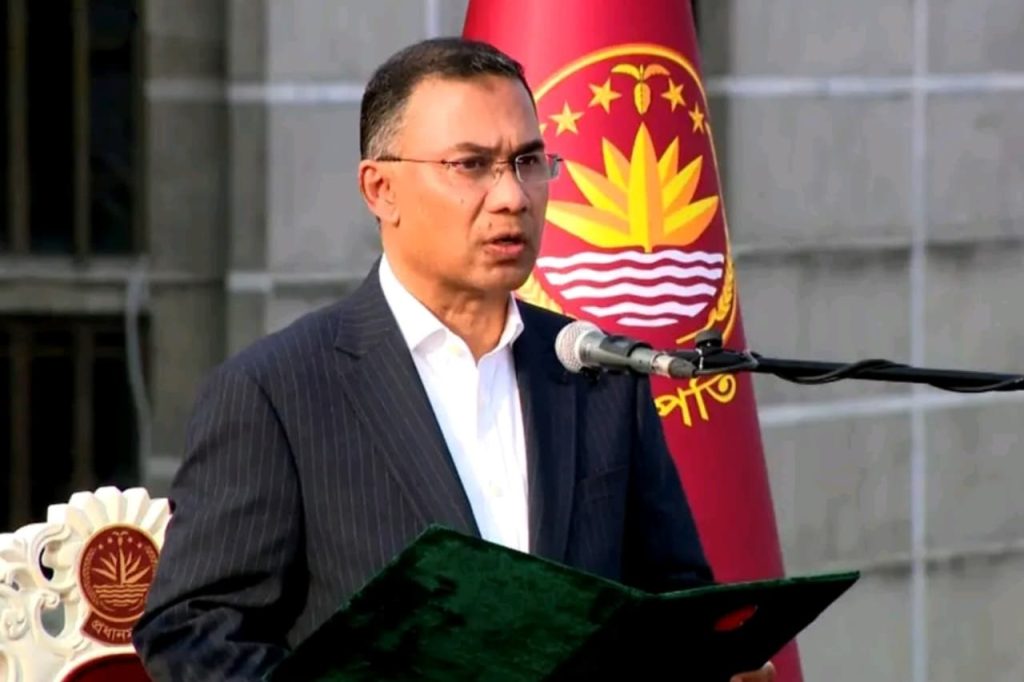

On October 17, 2025, interim leader Muhammad Yunus signed into law Bangladesh’s National Charter 2025. It reflects a crucial transition for the country’s democracy and is a result of a process involving 30 different political parties. The charter was created in response to a period of significant political turmoil. The charter includes over 80 recommendations to improve governance in Bangladesh.
July Charter Core Details
This document of 26 points foresees a new vision for the state of Bangladesh and seeks to do away with repressive constitutional clauses, including Articles 7 (A) & 7 (B), replacing Bengali Nationalism with the values of equality, human dignity, social justice, religious freedom and harmony. There are new fundamental rights created: uninterrupted internet access; data privacy protection. Changes made to executive power require both cabinet and opposition approval for emergency powers implemented by the Prime Minister. Judiciary will have full independence; Chief Justice appoints appellate judges & judges of high courts, with judges located in each of the divisions.
Key Reforms Breakdown
Proposals enhance checks and balances across branches. Prime ministers face a two-term limit; presidential powers expand. Women’s parliamentary representation rises, and a bicameral legislature with an independent election commission is proposed. Anti-corruption, public administration, and electoral reforms aim to prevent past autocracy. Secularism evolves to ensure coexistence of all faiths in this multi-ethnic nation.
Implementation Timeline Guide
Reforms will be ratified through a February 2026 general election and national referendum. If ratified, the newly elected Members of Parliament will make the amendment to the Constitution within 180 working days using a Constitution Reform Council. Full implementation through legislation or amendments to the Constitution is anticipated to take place two years after the election, in line with public aspiration. There are obstacles to accomplishing this from disagreements between parties, but Yunus’ vision stands for stability in Afghanistan.
FAQs
1. When was the July Charter signed?
It was finalized and signed in late 2025 at Parliament Complex, announced by Yunus as “new Bangladesh’s birth.”
2. What reforms does it propose?
Over 80, including PM term limits, judicial freedom, women’s representation, and rights to internet/privacy.
3. What reforms does it introduce?
PM term limits, judicial freedom, women’s quota, internet rights, and multi-faith principles; full implementation in 2 years.
Read Also: Exploring Future Policies Under the New BNP Government in Bangladesh 2026: Economic Revival, Job Creation, and Key Reforms Unveiled