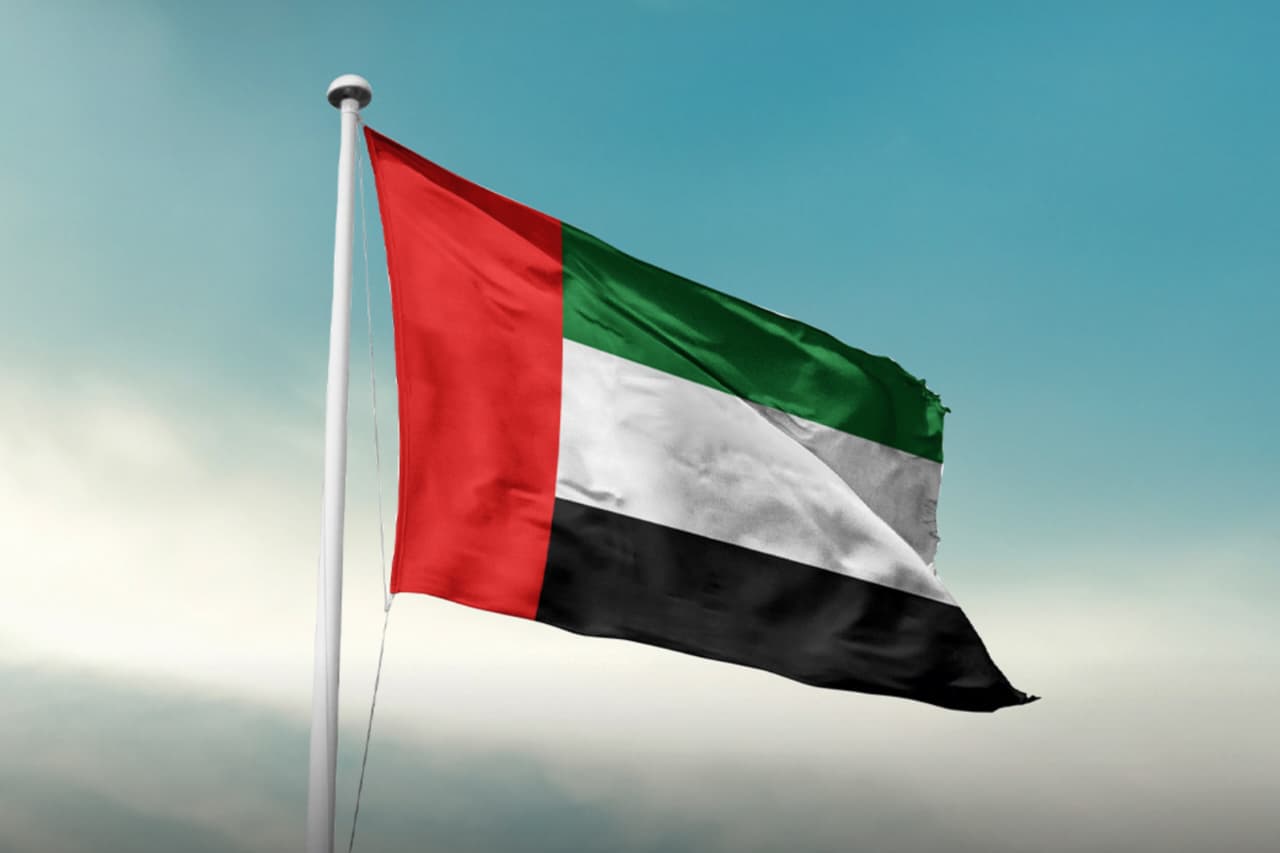
Gulf states were quite narrowly perceived through the prism of regional politics and energy diplomacy over decades. Such an impression is gradually altering. Some countries like the United Arab Emirates are widening their international scope of influence by secretly empowering global institutions instead of getting into the headline-grabbing politics. Their increasing participation in multilateral structures, particularly in the United Nations system, is an indication of strategic change towards institutional legitimacy development and long term global collaboration. According to recent voluntary donations to the UN Human Rights Office, Gulf diplomacy is shifting its regional interests to those of a wide scale in stabilisation and reinforcement of the global governance systems to protect vulnerable populations across the globe.
Gulf States and a New Model of Human Rights Diplomacy
In contrast to the conventional advocacy-based strategies, the human rights diplomacy of the Gulf states is increasingly based on institutional support. This model places more emphasis on financing, capacity building and technical collaboration as opposed to direct opposition of the people. It is part of a wider regional development of diplomacy, in which Gulf nations are seeking to align themselves with models of multilateral engagement that are more focused on continuity and stability.
UAE’s Contribution to Global Human Rights Mechanisms
One of the most prominent appearances of the UAE on the international governance agenda is the recent voluntary donation of US$1.5 million by the country to the United Nations Human Rights Office and its international programmes. Such funding reinforces the operational capacities of the UN human rights mechanisms, making it possible to continue monitoring, reporting and implementing related activities throughout the world.
Inclusive Focus on Vulnerable Communities
The contribution aims at promoting rights of children, women, the aged and People of Determination. The initiative promotes humanitarian priority, which cuts across borders and politics to further strengthen Gulf humanitarian funding as a means of long-term institutional influence.
From Regional Influence to Multilateral Partnership
This strategy highlights the increasing Middle East UN collaboration, which pushes the narrative that is more than two decades old that Gulf states are not engaged in global standards. Rather, it represents a post oil international positioning policy based on credibility, responsibility and positive involvement in international institutions.
Read Also: Daily Rashifal Update: Know How Horoscope Today Shapes Your Decisions