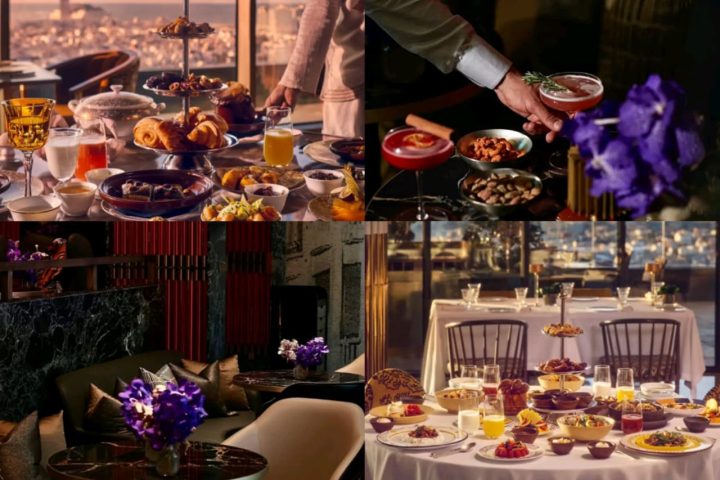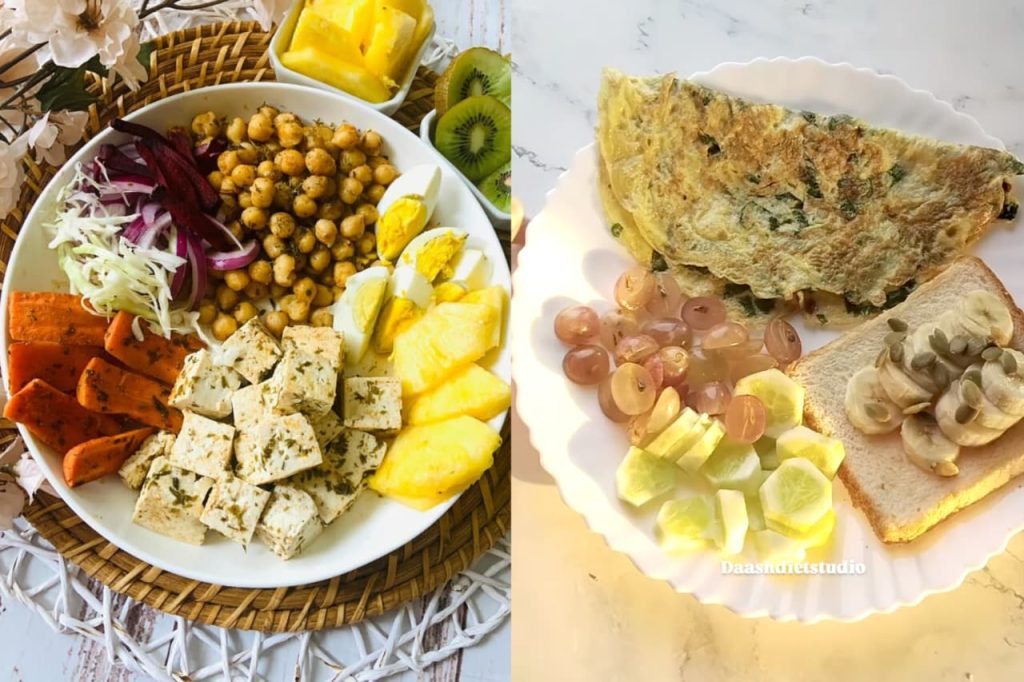
During Ramadan, families all over Bangladesh carefully plan their Sehri and Iftar meals to make sure they are traditional, healthy, and affordable. Meals are meant to give you slow-release energy, water, and important nutrients in a hot climate where fasting hours can feel long and humid.
During Ramadan, most people eat lentils, chickpeas, fish, seasonal veggies, yoghurt, and rice. The main idea is to eat smart and light.
These Sehri and Iftar meal ideas are useful, healthy, and traditional. They are easy to make and come from Bangladeshi food culture.
Sehri Menu in Bangladesh: Energy That Comes Slowly for Long Fasting Hours
Sehri, the meal eaten before dawn, must keep the body going all day. To keep you from getting tired and dehydrated, nutritionists say to eat foods that are high in complex carbs, protein, fibre, and water-containing substances.
1. Eggs boiled in a chilli-polao dish
Flattened rice cooked with onions, green chillies, and peanuts in chilli polao is both light and filling. Having it with boiled eggs makes you feel full longer because the eggs add protein. If you want something a little sweet, a small amount of suji halwa can give you quick energy without making you feel heavy.
2. Shosha Diye Daal with Rice or Roti
Adding cucumber to this cosy lentil curry makes it more hydrating and full of fibre. It’s great for keeping blood sugar levels steady while fasting because it has a good mix of carbs and plant proteins and can be served with whole wheat roti or plain rice.
3. Oatmeal with Pepe Diye Murgir Mangsho
When you cook chicken with green papaya, it gets tender and easy to swallow. Papaya is good for digestion, and chicken is a good source of lean energy. When you eat it with plain yoghurt, it helps your gut stay healthy and hydrated.
You should stay away from foods that are too salty or fried during Sehri because they can make you thirstier during the day. It’s also important to drink enough water before dawn.
Iftar Menu in Bangladesh: A Healthy and Balanced Way to Break the Fast
Iftar usually starts with dates and water, which is a Sunnah habit that raises blood sugar quickly. After that, a lot of families eat a mix of hearty snacks and lighter main meals.
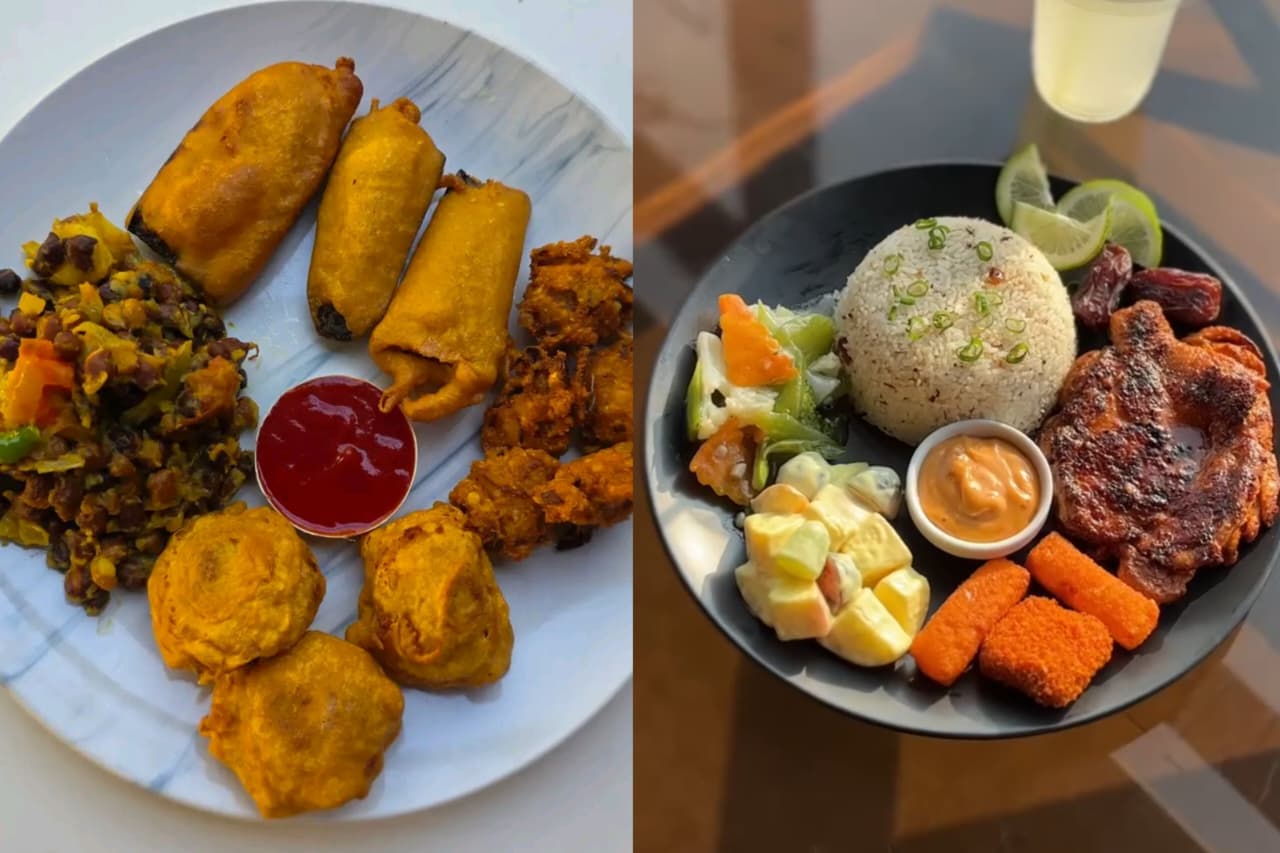
1. Bhaji with Chola Boots and Muri
A traditional Bangladeshi Iftar dish is chola, which are spiced black beans mixed with muri, which is puffed rice. It gives you fibre, plant-based protein, and complex carbs without making you feel heavy.
2. Chop for Beguni, Piyaju, and Aloo
These fritters are popular during Ramadan. They are eggplant slices (called beguni), lentil fritters (called piyaju), and potato chops (called aloo chop). To make them healthy, don’t deep fry them. Instead, shallow fry or air fry them. Put tamarind sauce on top to make it taste better.
3. Foods High in Protein
To make fried snacks more balanced, serve lighter foods like
Cucumber, tomato, and onion salad with chickpeas
Yogurt with veggies in season
Chicken breast lightly browned in butter
These choices keep the meal filling so you don’t feel tired after Iftar.
Changes that are good for you during Ramadan
The typical food for Sehri and Iftar in Bangladesh is being changed by many families to make it healthier and more sustainable.
- Organic lentils and vegetables from nearby stores should be used.
- Bake or air fry snacks to use less oil.
- Chia seeds are a good source of fibre and omega-3s that can be added to yoghurt.
- You can add fresh fruits like mango to smoothies to make them naturally sweet and full of vitamins.
At family or group Iftars, serve dishes like shorshe pabda jhol (mustard fish curry) to get healthy fats and protein.
These small changes keep the culture’s identity while also making nutrition better overall.
Bangladeshi Ramadan meals are a mix of tradition and reality. The goal is the same whether the food is a simple plate of daal and roti at Sehri or a lively spread of chola, beguni, and fruit at Iftar: to feed, balance, and bring people together.
During the holy month, families can enjoy traditional flavours while staying healthy and energetic by using only natural ingredients and cooking methods.
FAQs
1. What does a normal Bangladeshi Sehri menu look like?
Chirer polao, daal with roti, boiled eggs, chicken meals, yoghurt, and lots of water are common things to eat on Sehri.
2 .Where do people in Bangladesh like to eat Iftar the most?
A lot of people like to eat dates, fruit salads, aloo chop, muri, beguni, piyaju, chola-boot bhaji, and more for Iftar.
3. What can I do to make Bangladeshi Iftar better for you?
Cut down on the oil you use, add fresh salads, yoghurt, and lean meats, and pick seasonal fruits over sugary drinks.
4. Why do a lot of people eat beans and chickpeas during Ramadan?
They’re cheap, full of protein and fibre, and give you slow-release energy that you need for long periods of fasting.
5. What things can help you stay hydrated while you’re fasting?
During Sehri, eating cucumber, yoghurt, fruits, beans, and drinking enough water can help you stay hydrated during the day.
Summary
Discover a healthy Sehri and Iftar menu in Bangladesh featuring traditional Ramadan foods like chola, beguni, daal and seasonal fruits. These balanced, energy-sustaining meals use local ingredients to keep you hydrated and nourished during fasting in a tropical climate.
Read Also: Nutritional Tips for Sehri to Stay Energised Throughout Ramadan