
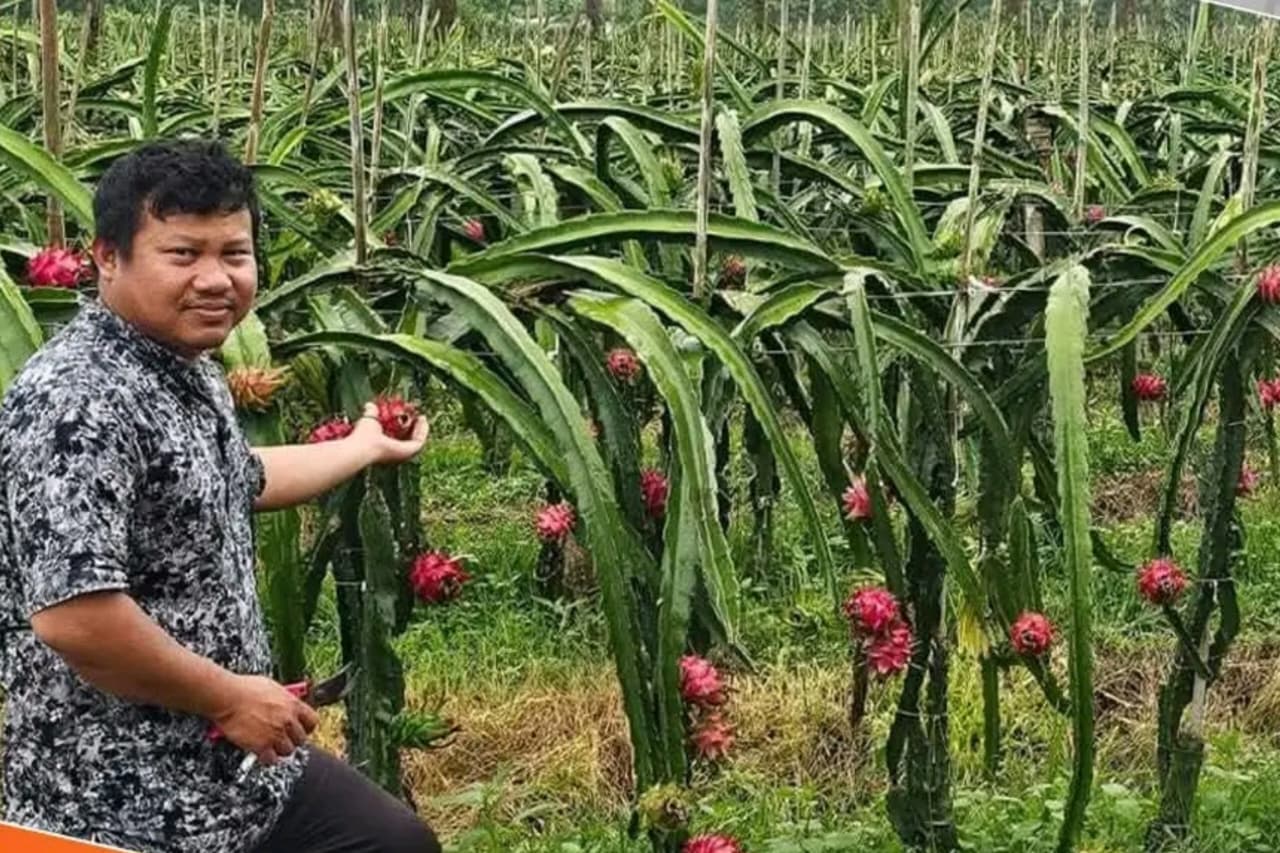
Fruit farming in Bangladesh has changed fast. Not long ago, it was just something people did on small family plots, mostly to feed themselves. Now? It’s a real driver of jobs and opportunity in the countryside. Thanks to fertile land, good weather, and new farming tech, growing fruit—like mangoes, jackfruit, litchis, and citrus—has turned into one of the best ways for rural folks to make money. What used to be a part-time, seasonal gig is now a business you can run all year, with real chances to grow.
The government and private investors are both backing fruit farming these days, hoping to boost incomes for farmers. The numbers tell the story: fruit-growing land jumped by over 18% between 2015 and 2023, according to the Bangladesh Bureau of Statistics. Yields are up, and there’s more fruit to sell. Young people see this and are ditching old staples like paddy and jute to try their luck with fruit.
But it’s not just about what happens in the orchards. This boom is creating jobs all over the place—in cold storage, fruit processing, packaging, and even agro-tourism. The value chain keeps growing, and it’s not slowing down anytime soon.
How Farmers Are Benefiting: Real-World Examples
In Rajshahi and Dinajpur, mango farmers are making a lot more money these days. They’ve started growing high-yield varieties like Amrapali and Gopalbhog, and they’re using newer methods—stuff like pruning and drip irrigation. Over in Kushtia, there’s a growers’ cooperative that saw profits jump by 38% in just two seasons after getting organic certification. That opened the door to higher prices in big cities like Dhaka and Chittagong.
Jackfruit exporters in Sylhet are also changing things up. Instead of just selling fresh fruit, they’re processing it—freezing it, canning it—and shipping to the Middle East. Now, what used to be a seasonal business brings in money all year.
Key Fruits Driving High-Income Opportunities
| Fruit Type | Main Producing Zones | Income Impact | Export Potential | Challenges |
| Mango | Rajshahi, Chapainawabganj | High | Medium | Weather risk |
| Litchi | Mymensingh, Tangail | Medium-High | Low | Short season |
| Jackfruit | Sylhet, Khulna | High | High | Processing costs |
| Citrus | Chittagong, Barisal | Medium | Medium | Pest management |
Table Insight: Mango and jackfruit stand out as high-income drivers due to strong domestic demand and growing export routes. However, challenges such as climate variability and post-harvest losses require targeted interventions.
Looking Ahead: Policies and Technology
Bangladesh’s Ministry of Agriculture isn’t slowing down. They’re building more cold chain facilities and making it easier for fruit nurseries and farmer groups to get low-interest loans. Mobile advisory tools and GIS-based soil testing aren’t just for cash crops anymore — now fruit growers are using them to save money on inputs and get bigger harvests.
International groups like FAO and ADB are putting money into projects that help farmers connect directly with processors. This move is making contract farming more common, which really matters if you want steady production and higher-value crops.
FAQs
Q1. What fruits bring in the most money in Bangladesh?
Right now, mango and jackfruit top the list. There’s a big demand for both, not just locally but for export too.
Q2. How does growing fruit boost incomes?
It’s pretty straightforward. Higher yields, more value-added processing, and better access to premium markets and exports all mean more money for farmers.
Q3. What hurdles do fruit growers deal with?
Weather swings, pest outbreaks, and not enough cold storage — those are the big ones.
Read Also: Why Cox’s Bazar Should Be on Your Bangladesh Bucket List