
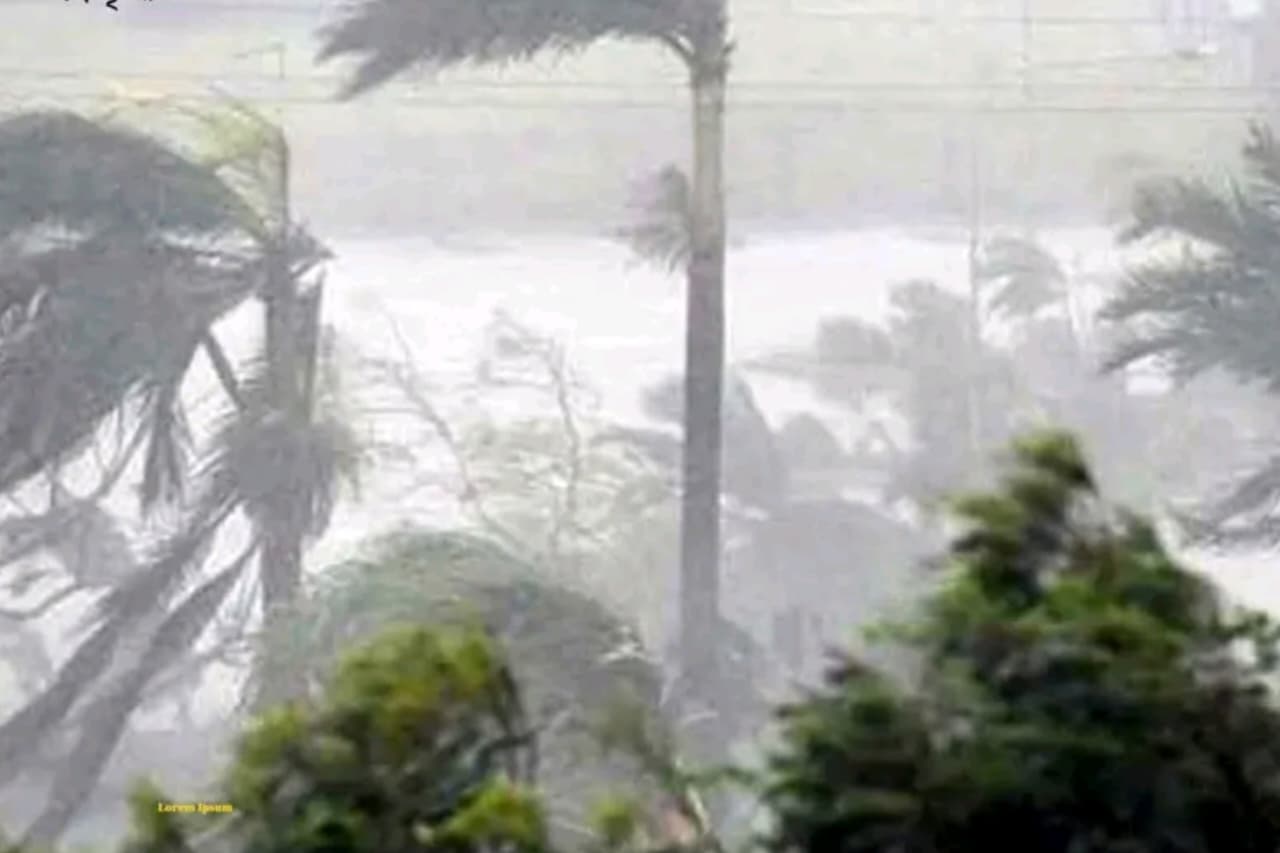
Bangladesh has pulled off a feat that most disaster-prone countries are still chasing. They’ve taken one of the planet’s most lethal natural threats and turned it into a risk that, while still dangerous, is actually manageable. It’s a staggering evolution. Think back to the Bhola Cyclone, a nightmare that claimed hundreds of thousands of lives. Now, compare that to recent hits like Cyclone Amphan, where the death toll stayed remarkably low. This isn’t just luck; it’s a masterclass in survival.
Moving the Needle: From Chaos to Coordination
The scars of 1970 still run deep. Back then, the Bhola Cyclone was a perfect storm of failure, no warnings, crumbling (or non-existent) infrastructure, and zero coordination. It was a massacre. Today, the narrative has flipped. We’ve seen fatalities plummet from six figures to double digits. This shift didn’t happen overnight. It took decades of grit, targeted investment in risk reduction, and a relentless focus on early warning tech.
The Human Network: The CPP Factor
If you’re looking for the backbone of this success, look at the Cyclone Preparedness Programme (CPP). This isn’t just a government office; it’s a massive partnership between the state and the Bangladesh Red Crescent Society. They’ve essentially weaponised community spirit, building a grid of trained volunteers that blankets the coast.
These volunteers are the real “last mile” heroes. They don’t just wait for people to check their phones; they’re out there:
- Pounding the pavement to spread warnings at the grass-roots level.
- Cutting through the noise with hand-held megaphones, radios, and SMS alerts.
- Hoisting the flags. They use a deceptively simple three-flag system to signal danger levels, a visual shorthand that everyone, regardless of literacy, understands.
Because of the CPP, a warning isn’t just a data point in a capital city; it’s a signal that actually reaches the most isolated doorstep in the country.
Discover More Stories Worth Your Time
Explore Who Guards Hormuz Now?
Discover which nations are keeping this vital oil route active and why it matters globally.
Check Is Screen Time Hurting?
Explore how nightly device habits may be silently affecting your sleep and overall health.
Discover Lawachara’s Hidden Trails?
Check the best wildlife spots, travel timing, and lesser-known forest paths before your next visit.
See Which Regions Face Alerts?
Explore the latest yellow and orange weather warnings impacting multiple parts of Bangladesh.
Find How Farming Went Smart?
Discover how mobile apps are transforming agriculture practices and helping Bangladeshi farmers boost yields.
The Tech Stack: Precision at the BMD
The Bangladesh Meteorological Department (BMD) acts as the operational nerve centre. They aren’t just guessing; they’re using a high-tech arsenal to pin down storm tracks. By leveraging Doppler radars, ocean buoys, and satellite feeds, the BMD has pushed their accuracy to a point where it can issue alerts over 36 hours before a cyclone even hits the coast. This isn’t just a “heads up”, it’s a massive head start. That window of time is exactly what authorities need to get the gears turning and the trucks moving.
Infrastructure: Somewhere Safe to Run
A warning is a death sentence if there’s nowhere to hide. Bangladesh tackled the problem by constructing more than 12,000 cyclone shelters along its coastline. When a cyclone warning is issued, the evacuation process is methodical, not chaotic:
- A well-organized evacuation is the norm. Whole villages make their way to these sturdy buildings, designed to endure the force of storm surges.
- Protection for All: These aren’t just for people; they’ve accounted for livestock and essential assets too, which reduces the “stay behind” mentality.
- Action Over Panic: When faced with a frightening announcement, having a specific place to go transforms the fear into a practical plan..
The Secret Sauce: Tech + Trust
Digital tools are great, but in rural zones, human connection is the real currency. While mobile alerts now reach about 90% of high-risk areas, the real magic happens when those alerts are backed up by local volunteers. People don’t always move because a text told them to; they move because a neighbor they trust is standing at their door. This blend of tech and community familiarity is why evacuation compliance is so high.
Conclusion
Bangladesh has pulled off a total 180. They went from the 1970 Bhola nightmare to the grit of the Amphan era, proving that where you live doesn’t have to be your grave. This is a masterclass in staying ahead of the curve. By mixing high-tech forecasting with local “boots on the ground” like the CPP, they’ve built a level of trust you just don’t see elsewhere. It’s the ultimate proof that even the most vulnerable spots can save their people when tech and community heart actually sync up. In this climate-wrecked age, this isn’t just a nice story—it’s a survival manual the world needs to steal.