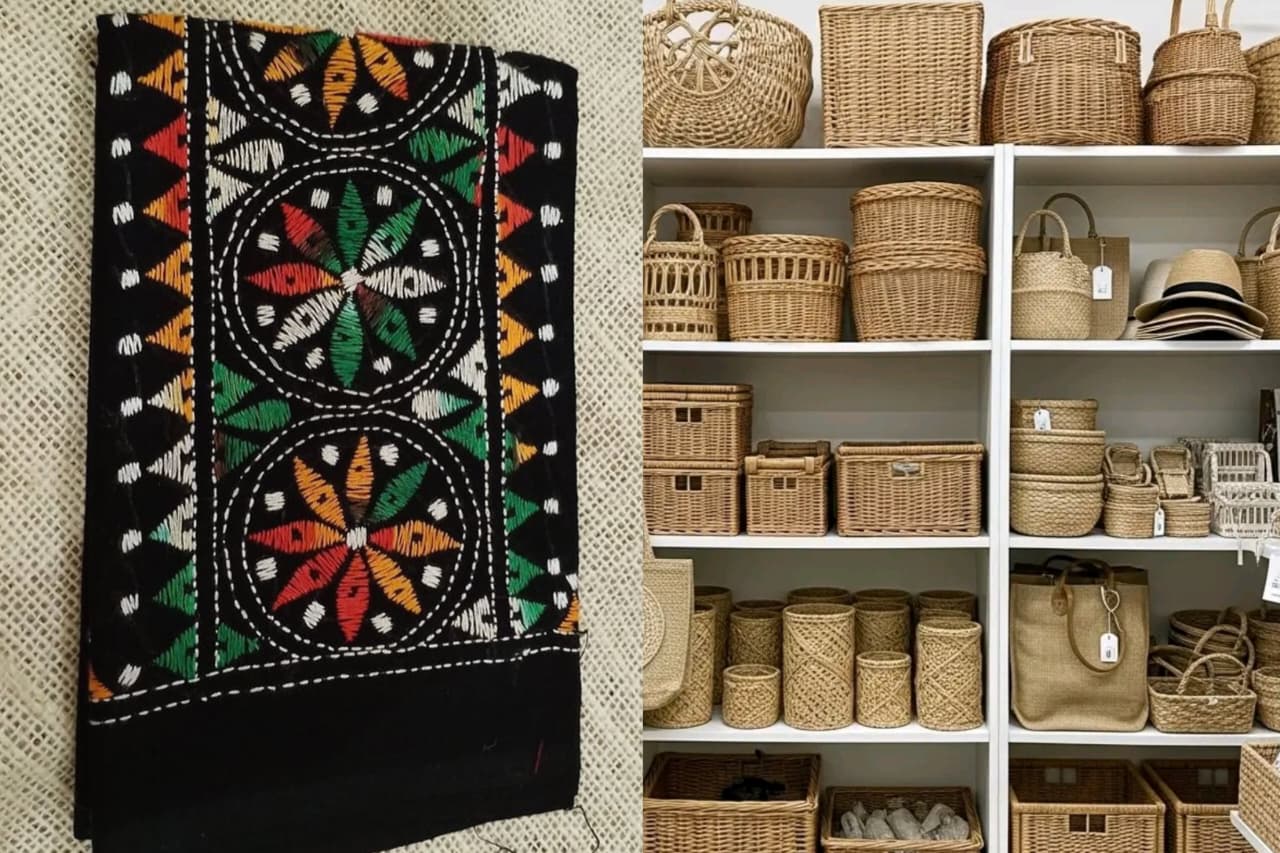
In recent years, there has been an exciting revival of creativity throughout Bangladesh. Traditional handicrafts and folk art that were just beginning to fade have gained new relevance, both in rural areas and through international online sales. Local artists are once again able to create, earn money, and take pride in their culture and heritage.
Folk Art with a Contemporary Twist
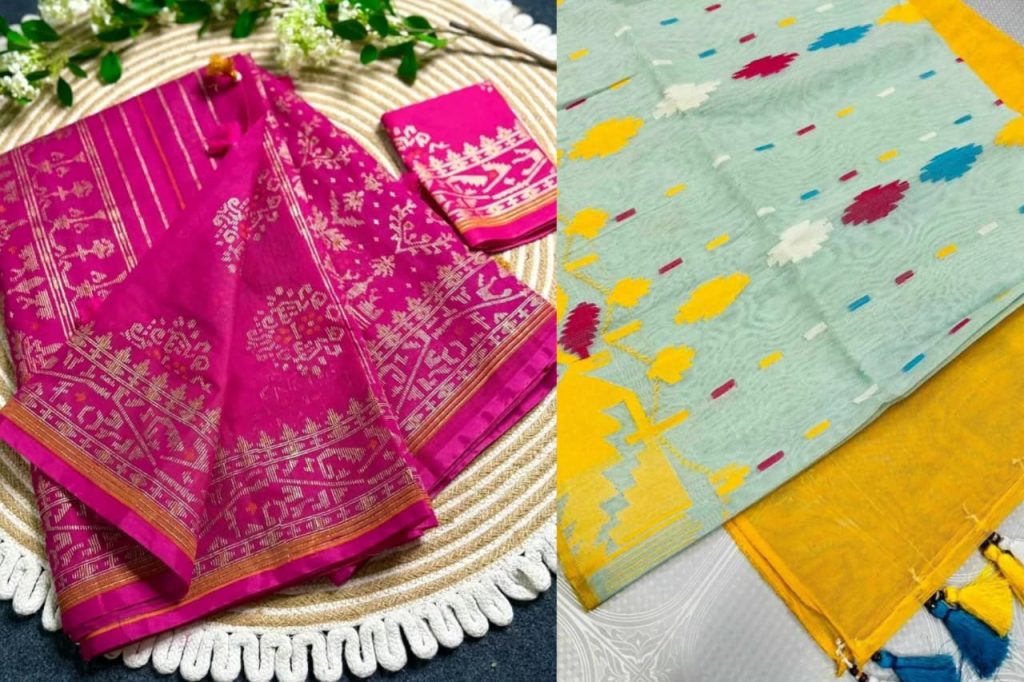
Some of Bangladesh’s most well-known folk art forms are Nakshi Kantha embroidery, terracotta pottery, jamdani weaving, bamboo crafts, and scroll paintings. What makes these crafts exciting today is that designers, cultural organisations, and social entrepreneurs are using traditional techniques in combination with innovative design to reach new generations of consumers. As a result, many individuals find these crafts ultimately present a more modern look and feel than what is typically found in clothing and home furnishings.
Digital Technology Opens Global Markets
The introduction of e-commerce and social media has drastically changed the way that handcrafters and folk artists do business. Instead of relying upon traditional brick-and-mortar retailers to sell products, artisans are selling their work directly through a variety of online shops such as Facebook Shop and Instagram Shop. Additionally, the use of artificial intelligence, search engine optimisation, and storytelling through online venues is allowing Bangladeshi handicrafts to make it to customers in Europe, the Middle East, and North America. Thus, as a result of this technological transformation, artisans are no longer dependent on third-party distributors, which ultimately translates into larger profits for them as well.
Centring Women and Young People
The revival is enabling inclusive economic growth. More women artisans, particularly from rural areas of Bangladesh, are achieving financial independence via the production of handicrafts within their homes. Young artists are also returning to traditional art forms as a realistic option for building their careers rather than considering them to be obsolete skills. Training programs and workshops for artisan creators are connecting tradition with market demand.
Support from the government and NGOs is Critical
NGO-led initiatives, together with government-sponsored craft fairs, are strengthening the ecosystem for the growth of Bangladesh’s craft sector. Incentives for export, programs for developing skills and branding heritage are establishing Bangladeshi folk art as both a culturally relevant form of capital and an economic asset of great value. Attention is also being given to sourcing sustainably and producing ethically.
Why This Revival is Important Now
Authenticity sells in an age when everything is manufactured. Consumers all around the world are searching for handmade, sustainable and culturally-based items produced by craftspeople. The revival of folk arts in Bangladesh is ideally positioned to meet this demand and generate sustainable livelihoods for artists in Bangladesh and the surrounding region in the long run.
Summary
The revival of handicrafts and folk arts in Bangladesh represents more than just a reemergence of culture; it is evidence of an economic shift. By fusing traditional crafts with technology, environmentally-friendly practices, and access to the global marketplace, artisans are building long-term, viable income sources while maintaining the artistic traditions of their homeland for future generations.
Read Also: From Sylhet to Silicon Valley: How Bangladeshi Tea Culture Is Brewing Global Buzz