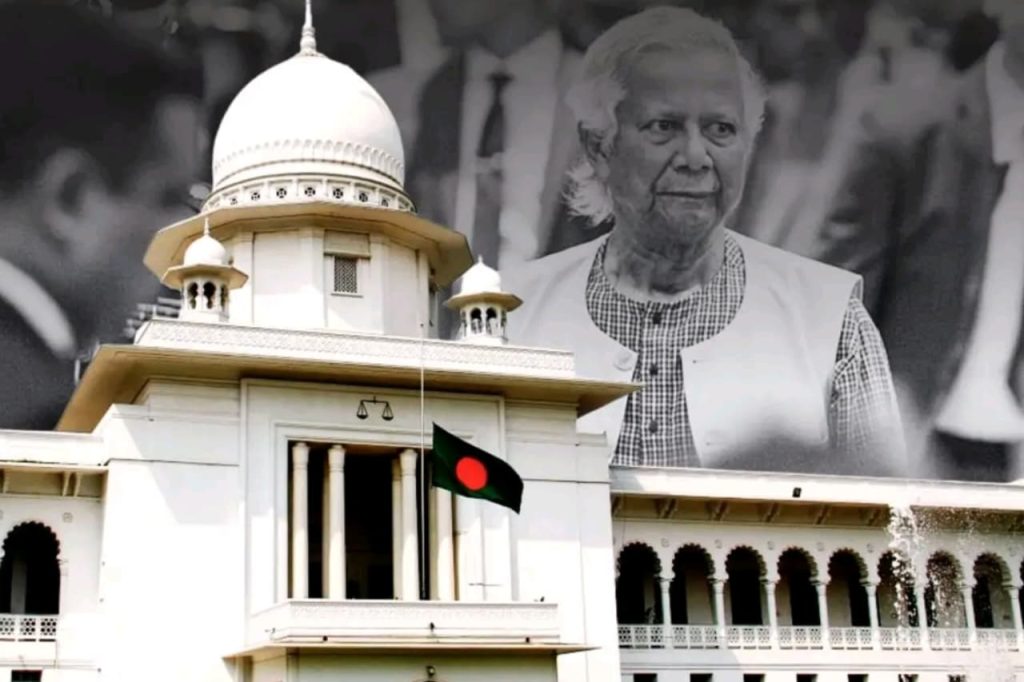

The International Crimes Tribunal-1 (ICT-1) has issued an arrest order for Sajeeb Wazed Joy, the son of former Prime Minister Sheikh Hasina, in the July Uprising case. This is a big legal move that has caused a lot of talk in politics all over Bangladesh. The ruling is one of the most well-known actions taken by the court in recent months. It adds more tension to an already politically charged atmosphere.
Why the Court Gave the Warrant
Joy apparently didn’t reply to several summonses about the events of the July Uprising, so the warrant was issued, according to statements from the court. The court said that the investigation has reached an important point and that he needs to give evidence or show up for the proceedings to work.
Legal experts say that the warrant is mostly about following the right steps but is also politically touchy because Joy has been a big name and a very important person in Bangladesh‘s digital and policy efforts over the years.
The Political Impact of the Case of the July Uprising
The July Uprising was a difficult time with protests and political fights, and people said that too much force was used. Claims have come to light since involving several politicians, and the court has been looking at proof and testimonies from witnesses.
The court’s latest order has made it headline news because of Joy’s link to the case, which has not been fully explained to the public. People who supported the last party to be in charge say the move was politically driven, but others say the legal process must go on without exceptions.
What This Means for Joy and the Court System
Now that a warrant has been issued, what happens next depends on whether the police are able to carry it out and whether Joy reacts legally from outside the country. Depending on the details of the tribunal’s order, his legal team may ask higher courts for relief, clarification, or a stay order.
Several legal experts say that orders from ICT-1 are important but can also lead to procedural appeals, which is a common move in cases that get a lot of attention.
The public’s response and the attention from around the world
The development has caused a lot of social media discussion and has been noticed by people around the world who closely follow the changes in Bangladesh’s politics. Some say this is a sign of a tougher judicial approach after the election, but others say it might make politics even more divided.
No matter what people think about it, the warrant is now part of a quickly changing legal scene, which might affect political stories in the next few months.
What’s the next thing that will happen?
The court should hold more meetings to check on compliance with its order and give more instructions if needed. Whether Joy shows up in person, answers through a lawyer, or fights the order will determine what happens next in this unfolding case.
Right now, Bangladesh is waiting for a clear answer from the courts, the politicians involved, and the formal steps that come next.
FAQs
1. Why did ICT-1 want to arrest Sajeeb Wazed Joy?
Joy was not there even though she got a lot of calls about the July Uprising probe, so the court issued the warrant.
2. What is the case about the July Uprising really about?
It includes political trouble, fights, and claims that come from a big wave of protests, which are now being looked at by the court.
3. Is the order based on politics?
People have different points of view. Supporters say it is focused, but others think it is just following the normal rules for tribunals.
4. Is Joy able to contest the warrant?
Yeah. Depending on the court’s records, his legal team can either ask for relief or file requests in higher courts.
5. What are the next steps in the law?
Follow-up hearings, compliance checks, and possible appeals, based on how Joy and law enforcement react.
Read Also: When Justice Speaks: How Bangladesh’s Court Verdict Strengthened the Interim Government’s Grip