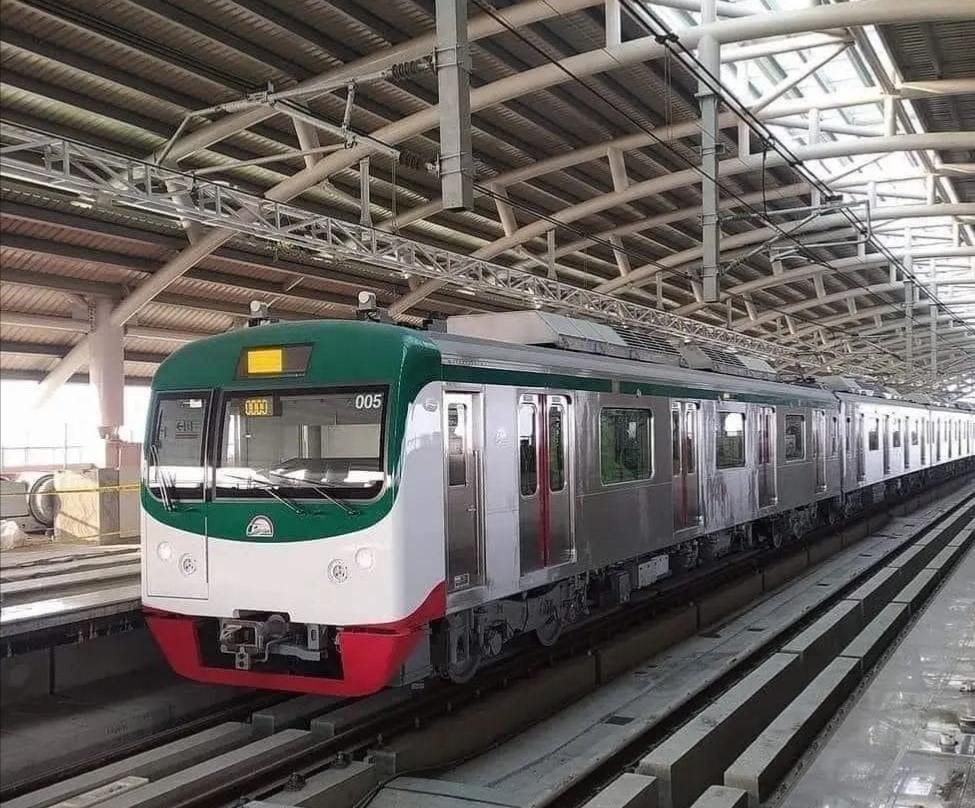
The Dhaka Metro Rail network is changing how people travel around the city by providing an alternative method of transportation (urban rapid transit). Created to help alleviate the urban transportation problems associated with traffic congestion in Dhaka and increase urban connectivity with other areas of Bangladesh, there are several different metro lines planned and under development. This article provides an update on the status of the current metro rail projects and provides additional information regarding the available routes and costs for future metro lines.
Ongoing Construction and Network Extensions
Currently under construction is MRT Line-6, which will be the primary route for urban rapid transit in Dhaka. Portions of the entire route, from Uttara to Motijheel, have already opened for public use. The construction of the extension from Motijheel to Kamalapur is proceeding steadily; as of late 2025, approximately 68% of the extension has been completed and will be operational soon to create the first significant integration of the city’s rail network. Although there were initial plans for the extension from Motijheel to Ashulia, officials are now revising those plans; the extension will now end at Tongi Railway Station instead.
Project Costs, Financing, and Review Processes
Despite some progress in terms of developing metro rails within Dhaka, there still exist major cost issues associated with this development project. Currently, the estimate for constructing a metro line within Dhaka is between $226.74 million and $253.63 million per kilometre. This means that constructing metro lines across Dhaka costs about five (5) times as much as constructing a metro line in an Indian city like Patna.
As such, on behalf of DMTCL (Dhaka Mass Transit Company Limited), DMTCL has asked JICA (Japan International Cooperation Agency) to conduct a review of the cost proposal and help identify methods in which to lower the construction costs. The consultations are ongoing, and the authorities continue to seek alternative contractor arrangements, which may help reduce the overall cost of the project and increase competition.
Furthermore, DMTCL is pursuing the use of “smart financing” for the development of the metro system, since the strict loan conditions placed upon local contractors by the Japanese contractors limit the potential for local participation and technology transfer.
New Lines, Timelines, and Future Planning
The new plans for the metro system may now be less ambitious than originally thought. The DMTCL has pushed back its completion date from 2030 to 2035. Additionally, the MRT Line 2 will begin at Gabtoli, run through Old Dhaka and end at Demra, and has secured funding from the World Bank for it. This will be the first time the World Bank has supported the metro system in Dhaka.
In addition to completing projects, the DMTCL is enhancing user experience and safety through a new ticketing system that allows users to pay for their fares using debit and credit cards as well as mobile banking.
There have also been reports of issues related to construction and safety. One example is that structural components of the metro system (i.e. the bearing pads) have collapsed, and the Metro Safety Committee (MSC) has called for a comprehensive third-party audit of the DMTCL’s ongoing maintenance and construction reviews.
Summary of Latest Metro Rail Updates
| Update Area | Key Change | Expected Impact |
| Line-6 Extension | Motijheel to Kamalapur ~68% complete | Better connectivity to the main railway hub |
| Route Revision | Extension now to Tongi instead of Ashulia | Supports future demand and network logic |
| Cost Review | Cost per km ~5× higher than India; JICA review underway | Potential cost optimisation |
| Financing | World Bank to fund MRT Line-2 | Expanded financing base |
| Timelines | Full network completion may extend to 2035 | More realistic project phasing |
| Ticketing | Introduction of a universal ticketing system | Improved commuter convenience |
Conclusion
In 2025, key milestones for the Dhaka Metro Rail project occurred as significant physical progress was made in the installation of major portions of infrastructure for the metro system. The current financial climate has both created challenges and opportunities for the further development of the Dhaka Metro Rail project. The continued involvement of domestic and international entities reflects the long-term vision for a successful and efficient transit system in Dhaka and beyond.
The recent changes in the development process warrant continuous monitoring and updates from the perspective of the following targeted groups: commuters, policymakers, planners, and investors, as they track the evolving landscape of Bangladesh’s infrastructure development activities.
FAQs
Q1: What is the current status of the Dhaka Metro Rail system?
The extension of the Metro Rail System on Main Line-6 between Motijheel and Kamalapur is approximately 68% complete, with a majority of the structural and station-related work completed on that route.
Q2: What factors contribute to the high cost of metro construction in Dhaka?
Construction costs per km in Dhaka are approximately five times higher than those of similar cities in India. Contributing factors to the high costs include contractor selection processes, financing terms, and limited competition for work. Financing proposals are currently being evaluated by a third party (the JICA).
Q3: When can we expect to see the full Dhaka Metro Rail network operational?
The forecasts and plans to complete all phases of Metro Rail by 2030 have since changed. Based upon the complexity of procurement and implementation procedures, the complete network may not be ready until 2035.
Q4: When will the additional lines be introduced into the metro network?
Major planned lines that will be part of the metro network are MRT Line-2 between Gabtoli and Demra, as well as a number of additional routes that will be developed as part of a phased implementation strategy.
Read Also: Latest Telemedicine Trends Transforming Rural Healthcare in Bangladesh