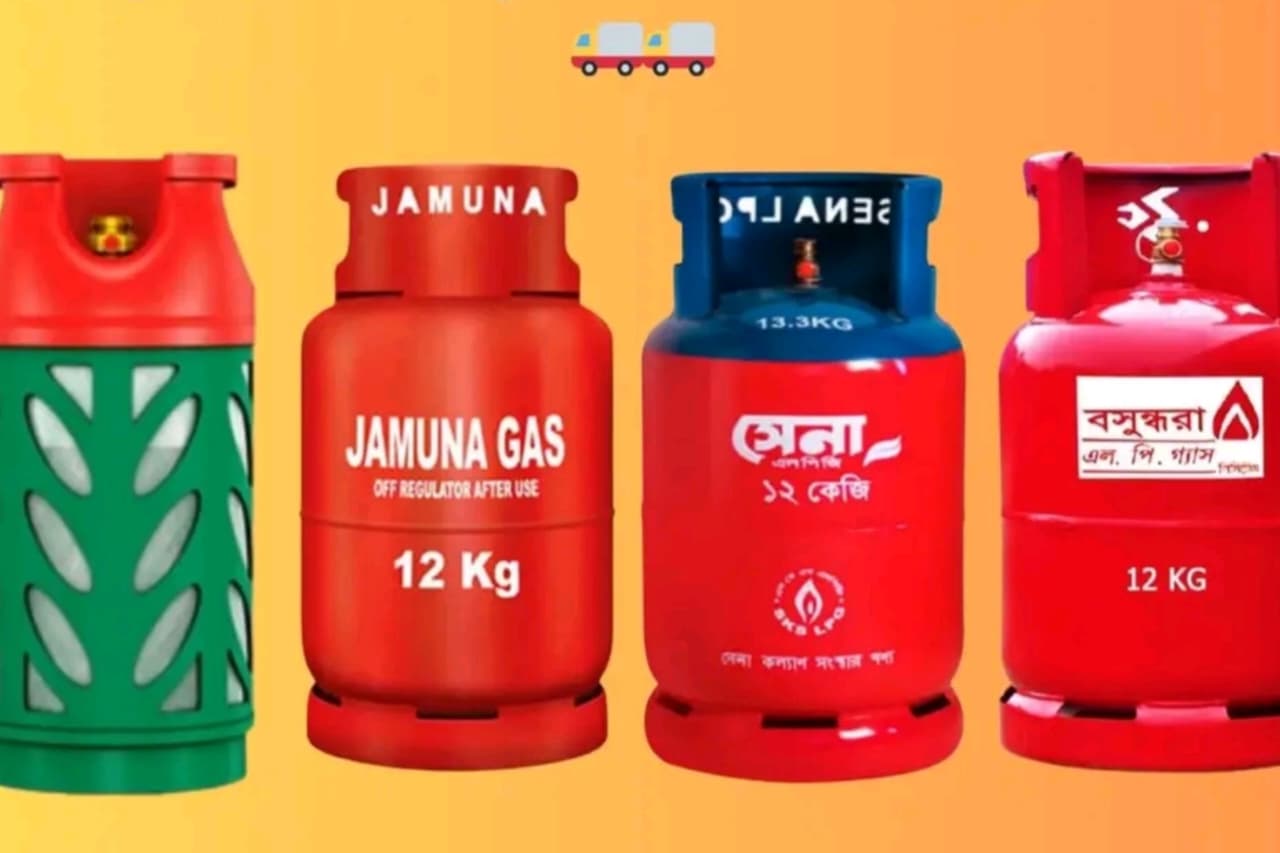
People in Bangladesh used to think that Liquefied Petroleum Gas (LPG) was a handy and cheap way to cook. It is now a major money problem. LPG cylinder costs are still high, often going up by several hundred taka more than they did in past years. Because of this, families all over the country are having a hard time paying their bills every month.
For households with middle or low income, this rise is more than just an annoyance; it affects their daily lives.
Why is LPG getting so pricey in Bangladesh?
The answer is in the global energy trends, Bangladesh’s need to import most of its goods, policy choices, and rising costs of doing business. Understanding these reasons helps explain why the prices of LPG continue to be under pressure.
Energy Prices and Import Dependence Around the World
Bangladesh’s reliance on imports is one of the main reasons LPG prices have gone up in the country. Bangladesh’s LPG is mostly bought from the global market since only a small part of it is made in the country.
LPG prices are greatly affected by the rates of crude oil and gas around the world. Bangladesh sees the effects right away when international energy prices go up because of geopolitical tensions, supply issues, or higher demand around the world. Even small changes in global markets can lead to big changes in prices that people have to pay.
LPG is sold in US dollars everywhere in the world, so the prices that Bangladeshi customers pay are affected by price changes in other countries.
Subsidies and market-based pricing that aren’t limited
In Bangladesh, LPG mostly uses a market-based pricing scheme, but piped natural gas does not. The Bangladesh Energy Regulatory Commission (BERC) sets prices, and LPG rebates are lower than those for other fuels.
This means that customers have to pay for all changes in the price of goods overseas, shipping, and the cost of running the business. When prices around the world go up, there isn’t much that can be done to protect families from sudden price hikes. Because of this, LPG users often see quick changes in prices, which makes monthly budget planning more difficult.
Costs for Bottling, Distribution, and Transportation
LPG is more expensive than LPG in other countries because of many things in the country. Because of problems with logistics and fuel prices going up, the cost of transportation has increased. Bottling companies have to pay more for things like safety, maintenance, and labour.
Also, the final selling price is higher because of distributor fees, cylinder upkeep, and storage costs. Consumers pay a lot more for each tank when these costs are added up, even though they may seem small on their own.
The Value of Money Changes and the Cost of Living
LPG price pressure has increased even more since the Bangladeshi Taka is losing value against the US dollar. LPG is bought with US dollars, so when the local currency drops in value, it costs more to buy LPG, even if prices around the world don’t change.
In Bangladesh, however, inflation has raised the prices of basic needs like food, transportation, and energy. The rising costs of LPG add another layer of financial stress, which forces families to cut back on other needs or change their lives.
Effect on Homes and Small Businesses
It’s not just home kitchens that are affected by rising LPG prices. LPG is very important for the day-to-day operations of small food businesses, roadside diners, and tea shops. When fuel costs go up, these companies either raise the prices of food or take losses, which lowers their profit margins.
LPG costs are higher, which directly lowers the amount of money that families can spend. A lot of the time, families have to delay other costs, save less money, or switch to cooking methods that use more energy. None of these is are good long-term option.
What’s in store for people who buy things in Bangladesh?
LPG prices are likely to stay unstable even if energy prices around the world drop in the future. Adding to the domestic LPG system, making it easier to store, and looking into other cooking fuels are all long-term possibilities.
Energy-efficient cooking methods and changes to government policy could also help lower the load on consumers over time. Right now, though, families need to be ready for changes in LPG costs.
Conclusion
There isn’t just one choice or factor that led to the higher LPG prices in Bangladesh. It is affected by a lot of different things, like global market trends, the need to buy goods from other countries, restricted financial aid, changes in the value of money, and costs that are going up at home.
Every part of the supply chain affects the price that customers finally pay, from global energy markets to nearby networks for delivery. Today, LPG prices show the difficulties of keeping energy safe in a globalised economy. This makes it clear why the load continues to fall on Bangladeshi households.
Read Also: Former Australian batter Damien Martyn is Battling Meningitis in an Induced Coma