An increasing Measles outbreak in Bangladesh has given grave concerns to parents particularly with the increasing cases of hospitalization and a lack of access to the vaccines. Under these conditions, it is highly important to differentiate the measles and Chickenpox, as these diseases both have similar initial symptoms, but must be given varying amounts of care and immediate attention.
This may help parents to respond as soon as possible and save their children who experience complications due to a deeper understanding of the main distinctions.
Measles: A Dangerous Virus
Measles is a very infectious disease that is transmitted by means of respiratory droplets. It normally starts with fever with no scar, old-lasting cough, running nose, and watery red eyes.
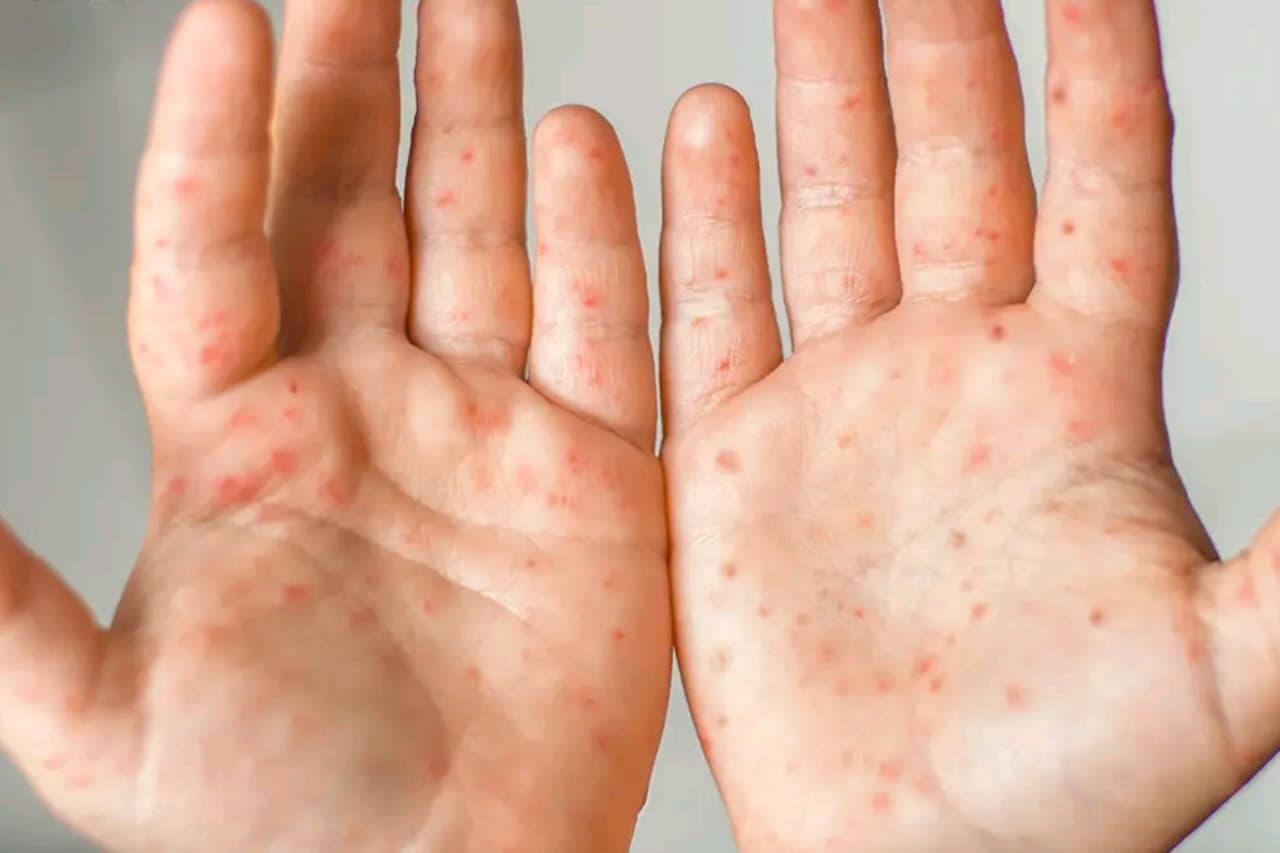
After a few days a red rash is observed, and it follows the pattern of first appearing on the face and then progressing downwards all over the body. Koplik spots that appear as small white spots within the mouth are another early sign that depicts measles.
Chickenpox: A Common and lighter Milder Disease
The varicella-zoster virus is the cause of Chickenpox which is usually not as serious but rather uncomfortable. It starts with light fever, fatigue and anorexia.
The blisters turn into fluid-filled blisters which generate the most evident symptom being an itchy rash. The rash is distributed in waves and at various degrees of healing throughout the body as opposed to that of measles.
Major Differences between Measles and Chickenpox
The patterns of the two diseases differ as much as both diseases are associated with a rash and a fever. The measles rashes are even and diffuse unlike the chicken pox rashes which are raised, blistering and scattered.
Measles is also more serious and it is usually associated with severe respiratory systems. Chickenpox in its turn is not a severe disease but is governed primarily by itching and discomfort. Check the table below for stark differences you need to know about measles and Chickenpox.
| Feature | Measles | Chickenpox |
| Cause | Measles virus (a paramyxovirus) | Varicella-zoster virus (VZV) |
| Transmission | Airborne (coughing, sneezing) | Airborne + direct contact with fluid from blisters |
| Incubation Period | 10–14 days | 10–21 days |
| Initial Symptoms | High fever, cough, runny nose, red eyes (conjunctivitis) | Mild fever, fatigue, loss of appetite |
| Rash Appearance | Flat red spots that may merge | Itchy, fluid-filled blisters (vesicles) |
| Rash Progression | Starts on face → spreads downward | Starts on chest/back → spreads all over body |
| Unique Sign | Koplik spots (white spots inside the mouth) | Lesions appear in different stages (spots, blisters, scabs together) |
| Itchiness | Mild or absent | Very itchy |
| Contagious Period | 4 days before to 4 days after rash appears | 1–2 days before rash until all blisters crust over |
| Complications | Pneumonia, brain inflammation (encephalitis) | Skin infections, pneumonia (rarely severe in healthy children) |
| Severity | Can be severe, especially in children | Usually mild in children, more severe in adults |
| Vaccine | MMR vaccine (Measles, Mumps, Rubella) | Varicella (chickenpox) vaccine |
When Parents Need to Be Concerned?
Special attention should be paid by parents in case a high fever not going away, difficulty in breathing, and state of excessive lethargy are observed in a child. These symptoms have increased chances of being related to measles and could be indicative of complications.
In the example of chicken pox, a medical consultation is required in case of infection of the blisters, the child has a compromised immune system, or the symptoms deteriorate unpredictably.
Early Medical Importance
In case of an outbreak, there is a need to diagnose the infection in good time to avoid its spread. When there is the suspicion of measles, it is important to seek medical attention immediately because there are complications like pneumonia or dehydration which come rather fast.
Overcrowded hospitals and clinics can serve as the issue, and in time, effective care can help the patient to improve and avoid serious results.
How to keep your child safe in case of an outbreak??
The most appropriate solution is prevention. Measles vaccination is very important, and short-term deficiencies may impede access to it at the moment. In that situation, hygiene and staying out of the colors of large groups as well as isolating infected persons can help.
It is also important that the parents watch the measles symptoms and keep the children healthy and comfortable at the house and consult a doctor when necessary.
FAQs
In what way is the biggest difference between measles and chickenpox?
Measles is characterized by a flat spreading rash whose symptoms are very severe in terms of respiratory complications whereas chickenpox is characterized by itchy and stage based rashes.
Do you consider measles to be more harmful than chickenpox?
Yes, measles is the most serious condition and may cause complications like pneumonia particularly in children.
How often do I take my child to the doctor?
Medical aid should also be requested when a child experiences high fever, breathing problems, is extremely weak, or the symptoms become worse within a short period of time.
Is it possible both diseases can be prevented?
Yes, there are vaccines for measles and chickenpox, and they are having the best protection.
Read Also: Chattogram 2026 Avant-Garde Festival – Is Traditional Theatre Dying in Bangladesh or Will Gen Z Save the Stage?