
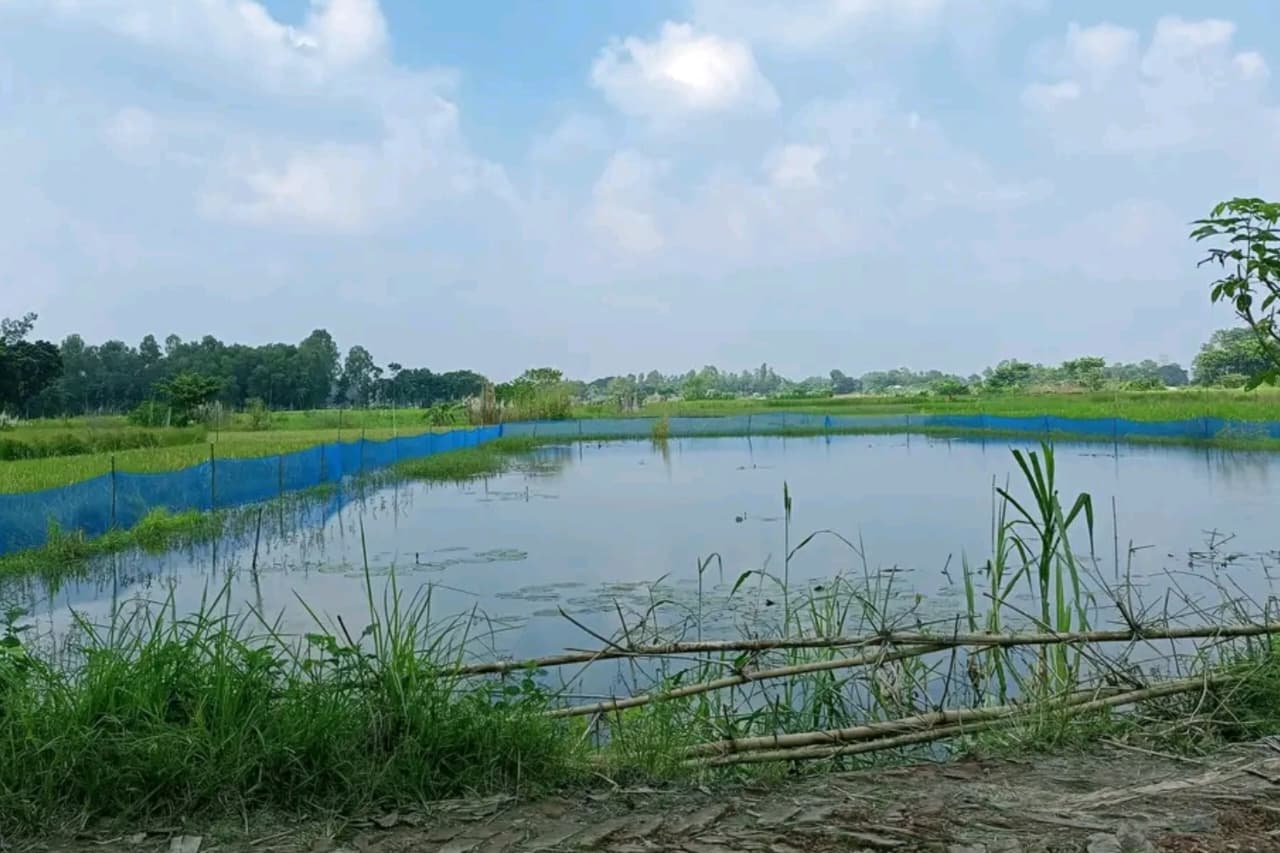
The Sundarbans in coastal Bangladesh, where saltwater is a part of every aspect of life due to the frequent cyclones, but does not have enough freshwater, is suffering from these conflicting results. Salty water is intruding into the rivers, ponds and farmland because of rising sea levels and frequent storms. This creates many problems for thousands of families trying to find freshwater every day.
Villagers are using a centuries-old method – building collision-use ponds to capture and retain monsoon rainwater so they can continue living through the dry period.
Salinity: The Silent Crisis in Coastal Bangladesh
Districts adjacent to Sundarbans are suffering from extreme amounts of salinity intrusion due to the impact of Cyclones such as Sidr, Aila, Amphan, and Yaas, flooding these villages with saltwater. Traditional sources of clean drinking water located in the region, including tube wells, canals, and ponds, have all become brackish.
Women and children travel long distances in search of clean drinking water. Agricultural crops are diminishing due to saline soils, animals are being affected by drinking saline water, and various waterborne diseases are increasing.
Rainwater Ponds: A Local Solution to a Global Problem
As a result of the weather, some families are now building small farm ponds outside their houses. These small ponds gather fresh rainwater during the rainy season and hold that water for several months until they can fill their ponds with fresh water again during another rainy season. The ponds are kept clean and uncovered to prevent contamination; therefore, the water in the ponds can be used for drinking and cooking, washing, and even for small-scale crop production.
This solution does not require any special sophisticated technology; rather, it only requires the cooperation of family members working together, sharing their own traditions, and using their collective will to adapt.
Restoring Livelihoods, One Pond at a Time
With access to freshwater, families can grow vegetables, rear fish and ducks, and revive small agricultural activities that were once impossible due to saline soil. Children spend less time fetching water and more time studying.
These ponds are not just storage pits; they represent dignity, independence, and resilience for coastal Bangladeshi communities.
A Lesson in Climate Adaptation from Bangladesh
The homemade pond model in Bangladesh’s Sundarbans is gaining attention as an example of grassroots climate adaptation. It shows how vulnerable communities can create sustainable solutions using local resources.
In a land where the choice often feels like “rain or ruin,” Bangladesh’s villagers are proving that rain can be harvested as hope.
Read Also: How to become a tutor on Eudika and Start Receiving Gigs within the First Hour: From Signup to Success