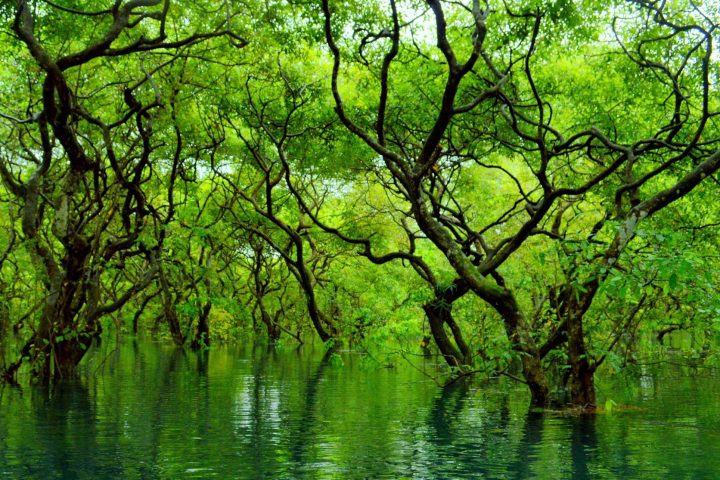
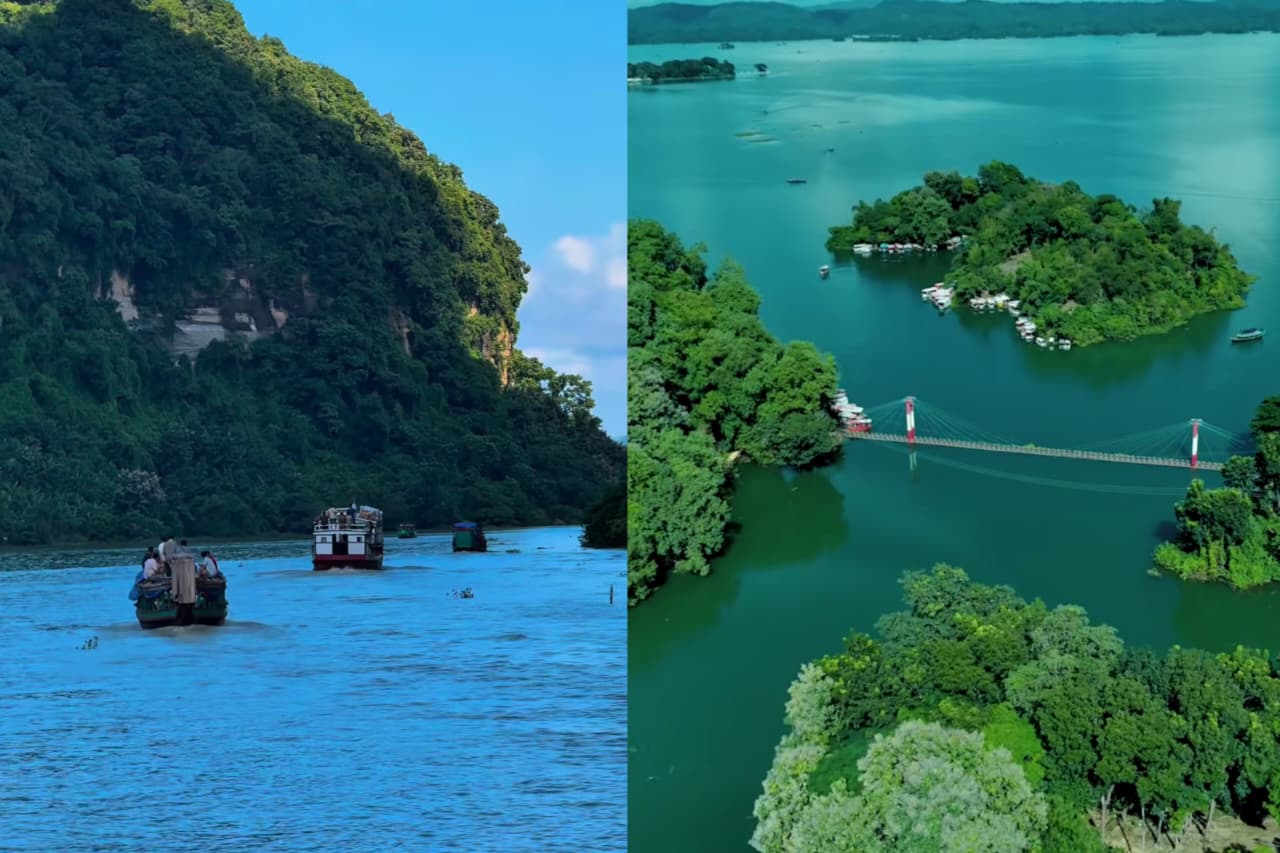
Located in the Chittagong Hill Tracts, the Rangamati Travel Guide 2026 will guide you to the locations that are not featured in the postcards of the Kaptai Lake, but that will bring you to the locations of the treasures that are less known. Although the lake is the most recognisable landmark in the area, Rangamati boasts of uninterrupted natural beauty, placid hills and tribal history and heritage to be explored.
Explore Tribal Culture and Local Life
The rich cultural heritage of such indigenous communities as the Chakma, Marma, and Tripura is among the attractions of the Rangamati Travel Guide 2026. Shop in the local handicraft markets (handwoven textiles and bamboo handicrafts), and visit the serene Buddhist monastery, Rajban Bihar, which is a good spiritual rest in the serene setting.
Waterfalls, Hills and Scenic Escapes
The scenic trekking routes and hidden waterfalls that are scattered all over the hills will be appreciated by adventure seekers. The Shuvolong Waterfall, particularly in the monsoon, is a place worth visiting. Rangamati Travel Guide 2026 also suggests boat rides in the less active areas of the lake and a panoramic view of the sunset from a hilltop.
Whether you are out to relax or travel, Rangamati is sure to give you an invigorating retreat to the unassailable beauty of nature.
FAQs
1. When is the most appropriate time to visit Rangamati?
The months of October to March are pleasant and good months to do sightseeing and trekking.
2. How many days are enough for Rangamati?
A trip of 2-3 days is just enough to visit the main attractions and some hidden ones in the area.
3. Is Rangamati secure for visiting tourists?
No, it is not particularly unsafe, but tourists are advised to keep up with local recommendations and updates before travelling.
Read Also: What Bangladeshi Superfoods Should You Eat for Suhoor?