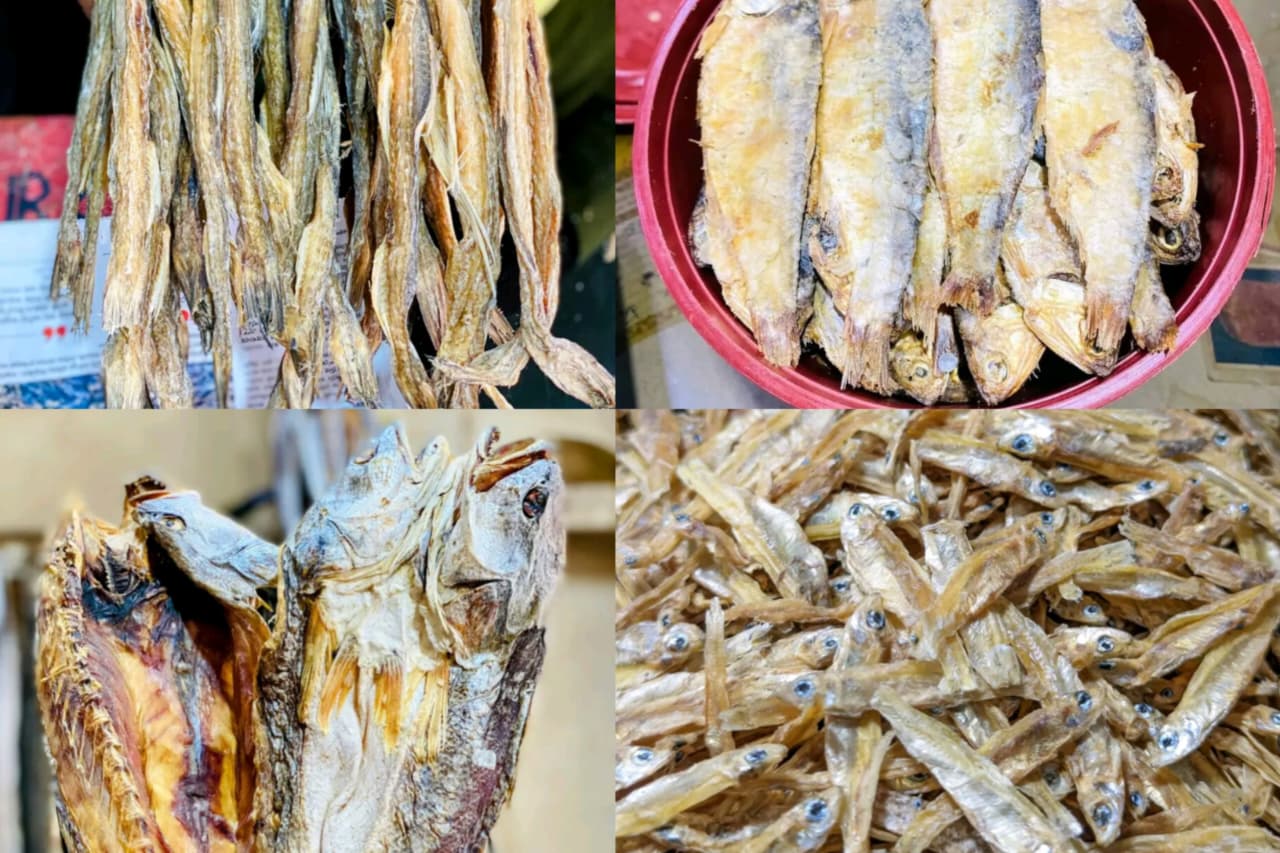
The Legacy of Shutki in Bengal
The food history of Bengal is rich and varied, and it has many old traditions behind it. Shutki, or dried fish, is one of the many food wonders that the country has to offer. This very old method of preserving food has been passed down through generations. It turns normal fish into a tasty delicacy that is an important part of Bengali cooking. Besides its taste, shutki has historical significance and symbolises the strength of the Bengali people and the creativity of Bengali cooks who learned how to preserve food long before refrigerators were invented.
What is Shutki, and How Do You Make It?
Shutki is fish that has been cleaned, salted, and dried in the sun. Hilsa, shrimp, and small water fish are commonly used types of fish. The process is simple, but it’s exact:
Cleaning: The fish’s scales and guts are removed by cleaning it thoroughly.
Salting: A thick layer of salt is put on, and this keeps the food from going bad.
Drying: The fish is left in the sun for days or weeks until it is completely dry.
As a result, the product can go months without refrigeration and adds protein and flavour to many traditional recipes.
Shutki in Bengali Food and Cooking
If you want to learn more about Bengali food, you need to use some Shutki recipes. Every dish, from the strong-smelling Shutki Maach Bhuna to the more mild Shutki Bharta, has a story about Bengali society. You can get useful information on how to cook with dried fish by looking at the in-depth tips that are on many food blogs and recipe websites.
Nutritional and Cultural Importance
Shutki is not only tasty, it is also good for you. Dried fish is full of energy, calcium, and important vitamins. It was a dependable way for people who live on the coast to get food during difficult times. In Bengali culture, shutki is a symbol of identity and is used in celebrations, family get-togethers, and special meals. It has a strong smell and bold taste that make people think of the same thing everywhere in the world, bringing back memories and a feeling of home.
Popular Types of Shutki
| Type of Fish | Common Use | Flavor Profile | Preparation Time |
| Hilsa (Ilish) | Bharta, Curry | Rich, Pungent | 2–3 days drying |
| Shrimp (Chingri) | Bhuna, Fry | Sweet, Savory | 1–2 days drying |
| Small River Fish | Curry, Fry | Intense, Salty | 2–4 days drying |
| Pomfret | Bharta, Stew | Mild, Aromatic | 1–2 days drying |
As a cultural symbol, shutki connects Bengalis to their past, not just their food. Enjoying its strong flavours is a way to honour the history, resourcefulness, and fish-preserving art that the dish represents. Whether it’s used in traditional dishes or newer takes on Bengali cuisine, shutki is still an important part of Bengali culture that keeps history alive in every plate.
Read Also: Pitha Stories: How Winter Becomes a Festival in Every Bengali Home