The shopping rush in Eid had been decades-long exploits through choking people and untold negotiation in stifling urban markets. Things have changed in 2026 though. This is the year that the click has substituted the crowd. With the high speed internet penetration and a new found trust in the logistics, online shopping of Eid-ul-Fitr has become a fever pitch, a virtual revolution on how the country prepares to relate to its largest festival.
Emerging District Level Shopper
This has been the most notable trend of this year as e-commerce is becoming decentralized. The statistics of large platforms such as Daraz and thousands of F-commerce (Facebook) boutiques indicate that the number of orders coming out of the capital is multiplied by other geographical areas to a drastic extent.
There is no more need to travel to cities and find their festival outfits by rural and semi-urban consumers. As an alternative, they are using services such as bKash and Nagad to get the newest Pakistani lawn sets, Jamdani sarees, and designer Panjabis in their doorsteps. After the logistics companies such as RedX and Steadfast have scaled down to the “last-mile delivery” level of the service, a person in a village in Sylhet can now enjoy the same fashion patterns as someone in Gulshan.
Panjabis and Sarees: The Online Bestsellers
Virginal clothes are still the heart of Eid and cyber entrepreneurs are enjoying the fruits.
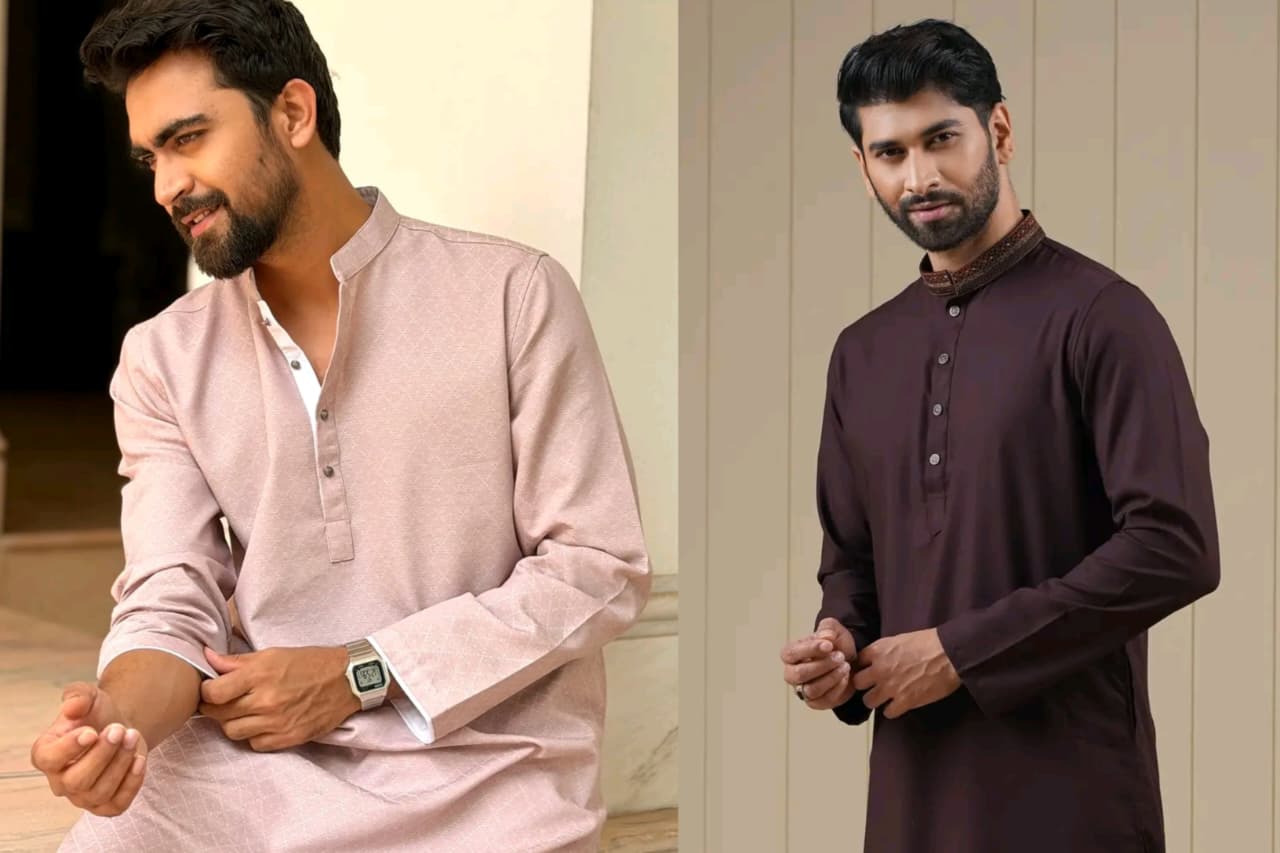
Men: Pansabic in colorful slim fits with elaborate embroideries and simple designs are the best selling among the collection of Men.
With Women: There has been an unprecedented sale of Digital-print Three-pieces and local handloom Saree, with Facebook Live becoming the virtual storefront in which thousands of people compete to purchase limited quantities of the product in real-time.
Why the Surge?
Comfort over Chaos: To escape the reported requirements of the sogging crowds in the physical centers like Sunamganj and Dhaka, families are opting to shop at their comfortability at their homes.
Cashless Rewards: 2026 has experienced a Cashless Bonanza, where banks and MFS providers are providing online payment cashback rates of up to 50% and discount vouchers.
The logistical Revolution: Routing enabled by AI and automated warehouses have minimized delivery time by a fifth, so that even shopping at the last minute will have time to take their outfits before the moon’s sight.
FAQs
1. Which products do people prefer when online shopping during the Eid?
Traditional clothes are in the most demand, the designer Panjabis (male) or Three-piece suits (Pakistani and Indian lawn) (women’s clothes) in particular.
2. Are the rural locations engaging in the online shopping outbreak?
Yes. By 2026, there is a notable rise in orders made at the district-level and the rural location because the enhanced logistics can nowadays provide stable delivery of the products to the homes of the country at the so-called last-mile.
3. What are the most common forms of payment to use to shop during Eid?
Although Cash on Delivery (COD) is still doing well, the adoption of Mobile Financial Services (MFS) such as bKash and Nagad is changing massively due to the high cashback value and encryption.
4. What is so attractive about Facebook shopping (F-commerce) in Bangladesh?
The interaction is direct, the product demonstrations can be on a live basis, and there is a sense of community confidence that is missing with the traditional websites and this aspect makes F-commerce popular with fashion fans.
5. Is online shopping for Eid during the rush safe?
Yes, they are recommended to purchase the products of known e-CAB members or the brand to eliminate the frequent complaints about the quality of the products that are frequently used regarding the unverified pages.
Read Also: 5 Movies, One Eid: Your Ultimate Guide to the 2026 “Teaser War.”