The United Arab Emirates is a stabilising force in South Asia during tough economic times, primarily due to its quiet, pragmatic, and financial approach. The three main components of the UAE’s role as a stabilising force are: providing timely capital; building the infrastructure required for trade to function; and an economic relationship between the people of the two regions, which allows them to share in the economic recovery of both regions.
Support During Times of Financial Uncertainty
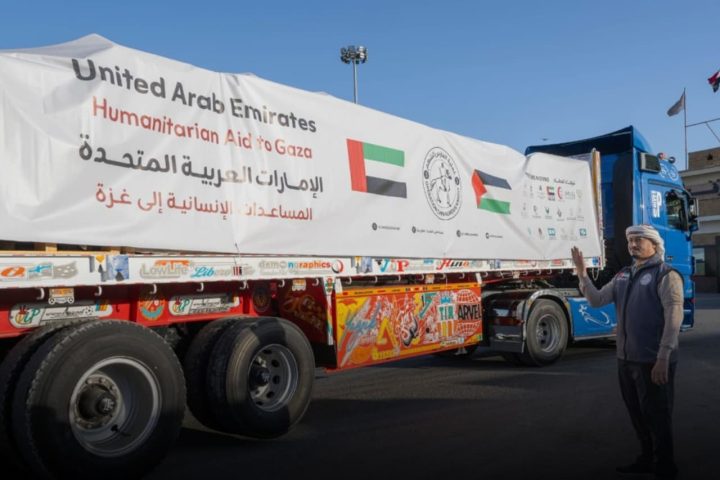
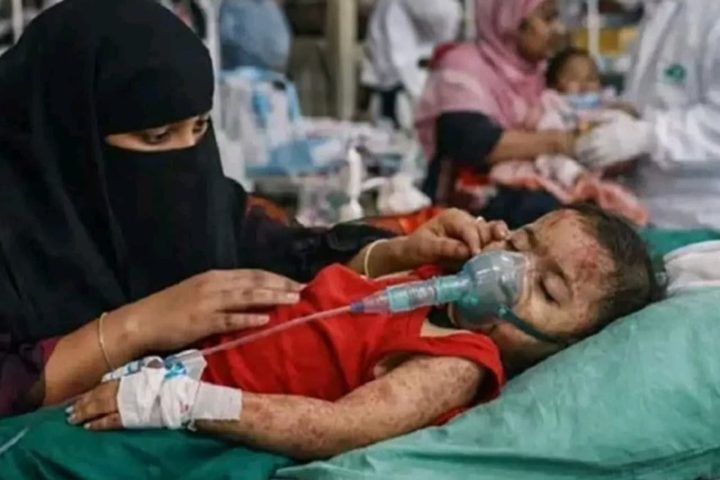
The UAE’s support during financial crises is visible through its consistent partnership with many of the South Asian countries it continues to help financially, particularly during negotiations related to the International Monetary Fund (IMF) and the restructuring of their debt, during times of extreme uncertainty in many cases.
Pakistan has received monetary support through deposit rollovers, direct lending, and investment guarantees from the UAE during times of significant foreign currency stress. These actions from the UAE helped to assure the market, and this has helped to avoid greater market disruptions without the imposition of political conditions that have often accompanied assistance from other sources. For example, despite Sri Lanka’s continuing to restructure its debts after defaulting on its loans, the UAE has continued to support the growth of the country’s economy through the provision of assistance to create revenue-producing assets via port operations, tourism assets, and energy logistics, instead of providing just temporary relief to the government.
Infrastructure Power Linking South Asia to Global Markets
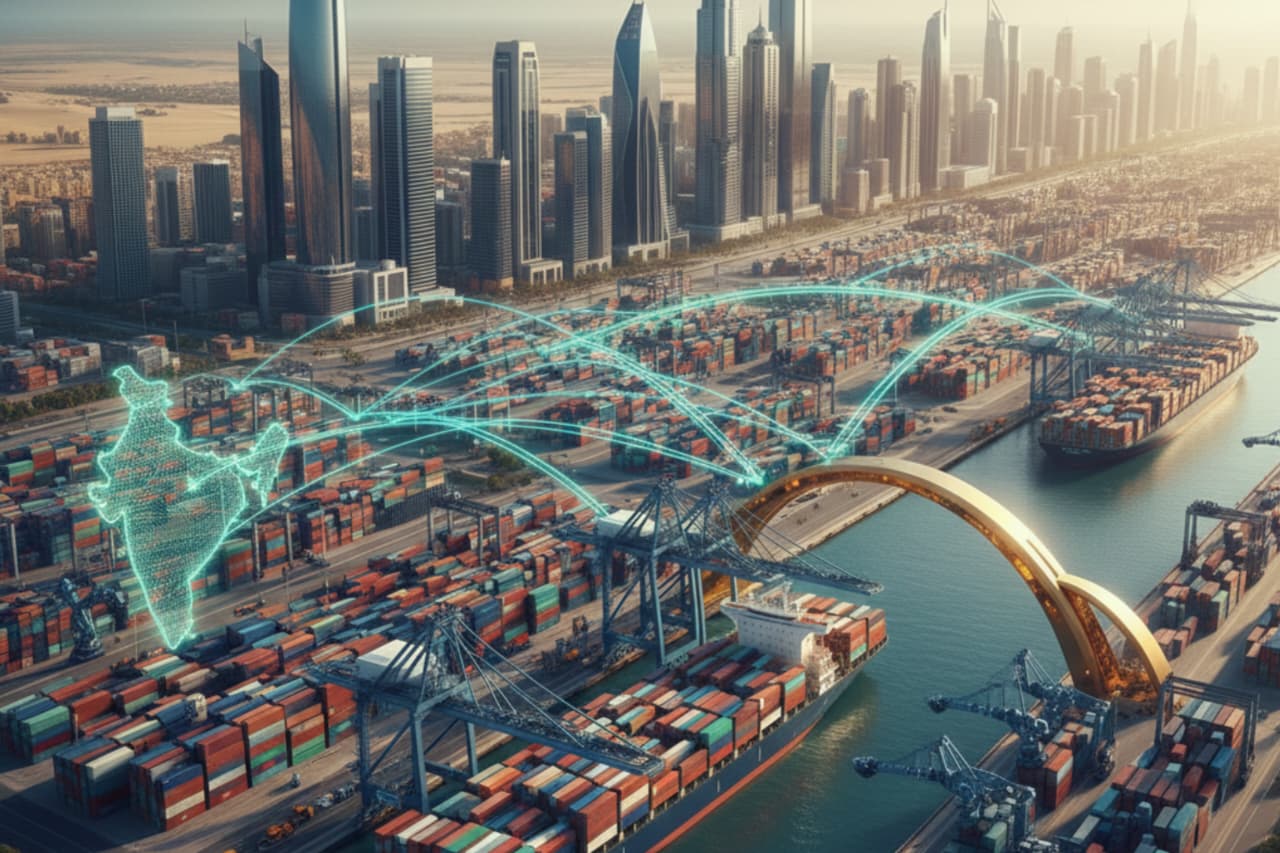
The UAE’s long-term impact will not just be through crisis finance, but mainly through infrastructure. These companies have invested significantly in the specific infrastructure areas of ports, logistics, energy, and trade corridors between South Asia and the world.
This concept of an ‘infrastructure first’ approach is how many analysts view the recovery platforms of the region and, more specifically, long-term trade-led growth strategies throughout South Asia. Ports in India and Sri Lanka, renewable energy plants in Bangladesh, and logistics networks within the Indian Ocean Region are all developed by and/or incorporated with UAE capital and experience.
In improving capacity for export and eliminating trade bottlenecks, these types of investment reduce South Asia’s overall vulnerability to dependence on unpredictable market liquidity.
Key Areas of the UAE’s Stabilising Role
| Area | Focus | Impact |
| Financial Support | Deposits, rollovers, liquidity backing | Reduces balance-of-payments stress |
| Infrastructure | Ports, energy, logistics | Improves trade and FX earnings |
| Labour Mobility | Gulf employment, remittances | Stabilises household incomes |
| Investment | Long-term equity stakes | Builds economic resilience |
Each of these areas works together to provide stability—not through dominance, but through economic continuity.
People-to-People Impact and Long-Term Stability
Labour mobility is one of the UAE’s most underutilised stabilisation mechanisms. Millions of workers from India, Pakistan, Bangladesh and Sri Lanka comprise an important remittance corridor into the UAE. For Bangladesh and Pakistan, and a number of other countries, remittances from the Gulf act as macroeconomic stabilisers by supporting consumption and stabilising currencies and providing relief in downturns. Recent labour law reforms and skill mapping in the UAE have further improved the predictability of income for UAE-based labour and improved their ability to make decisions.
Country-Specific Strategic Narratives:
- India: Strategic Growth Partner and investment destination for the UAE across energy, fintech and logistics.
- Pakistan: Crisis stabiliser and economic support for balance-of-payments crises.
- Sri Lanka: Post-debt restructuring recovery partner for Sri Lanka, especially in the areas of ports and tourism.
- Bangladesh: A labour corridor for the present and future energy and infrastructure partner.
- Maldives: Development financing partner supporting tourism-generated economic growth.
Conclusion
The United Arab Emirates (UAE) does not conduct loud diplomatic relations or conditional lending when dealing with South Asia; rather, it seeks to keep the respective economies in operation during periods of stress and competitive during recovery. In light of recent events, including increased pressure from debt and global uncertainty, the UAE’s South Asia Economic Stabilisation Model stands out for its measured approach, consistent reliability, and long-term economic rationale.
Frequently Asked Questions
1. Why is the UAE known as South Asia’s Quiet Stabiliser?
The UAE offers support through financial aid, infrastructure investments, and access to labour markets without imposing burdensome political conditions that would otherwise hinder an economy’s ability to navigate a stress period effectively.
2. Which country in South Asia receives the most assistance from the UAE?
The level of assistance received differs by nation; Pakistan receives liquidity support during crises, India obtains long-term investments, and Sri Lanka receives support for its infrastructure development in regard to its post-recovery economy.
3. How do remittances from the UAE affect South Asia?
Remittances provide a source of income for households, provide stability to currencies, and provide fiscal relief to support local economies during economic downturns.
4. Is the UAE’s participation in South Asia to last for a short time or the long term?
The UAE’s participation in the region is predominantly a long-term strategy, centred on building trade infrastructure, energy security and sustained economic integration.
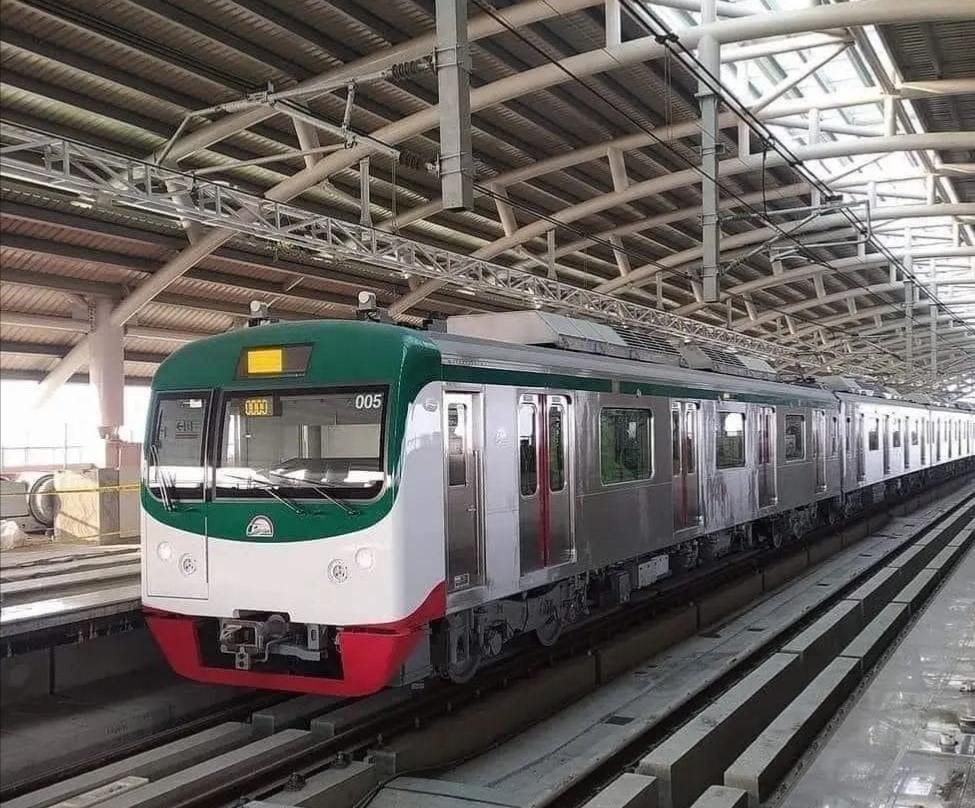
Read Also: Latest Updates on Dhaka Metro Rail Projects in 2025