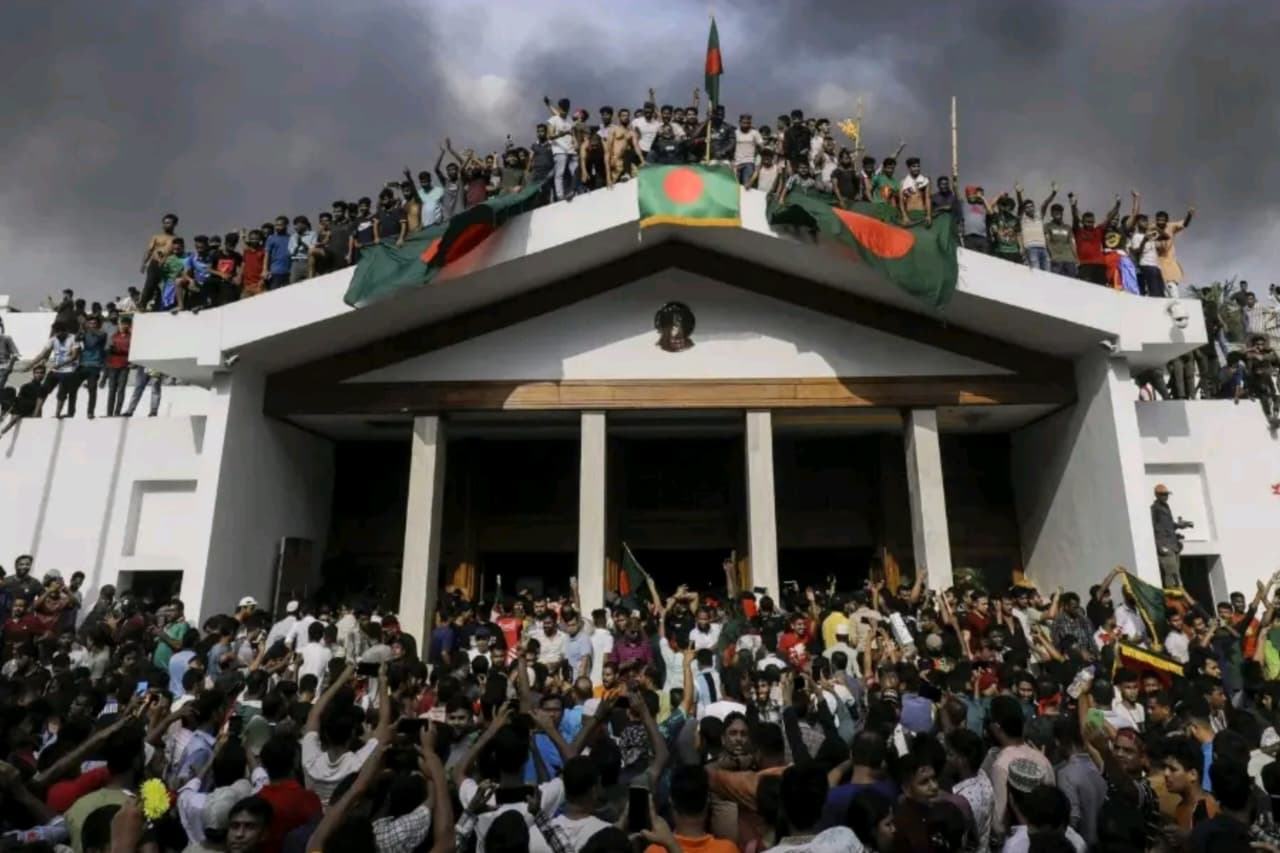
For a long time, the July Uprising was probably one of the most agonising chapters of Bangladesh, which remained unresolved. It was an episode that showed bravery, the revolt, but also the tragic demise. Now, the country is moving in a new direction. As the government has started the operation of unearthing the bodies of the victims of the July Uprising, Bangladesh is on the way to not only discovering the buried facts but also bringing back the identities that have been denied for so long to the martyrs.
A Turning Point Rooted in Accountability
Choosing to disinter the corpses is indicative of a very significant change in the nation’s agenda. The interim administration seems to be very determined in addressing the deeply entrenched wound that has been a source of grief for innumerable families of those who perished during the uprising. These graves, where bodies were dumped in large numbers and which have remained silent due to political conflicts and the absence of support from institutions for a long time, have now become the means of bringing about justice.
During the past several years, relatives of the disappeared have been living amidst silence and doubt – they were not certain if their missing kin were among those buried in unmarked places. With the introduction of the new program, Bangladesh not only understands their agony but also proceeds to be accountable with an unshaken spirit.
The Procedure of Exhumation Is Particularly Important Now
The digging out is far from only being a medical legal operation; it is a necessity from the ethical and historical points of view as well. Up-to-date forensic science may include DNA tests, anthropological analysis, and computer reconstruction and can, therefore, be of power in letting warm hearts know the cold and lonely remains that they have been waiting for closure all along.
Besides, this activity acts as a lever for Bangladesh’s very strong stand on human rights and transparency. After a whole lot of years characterised by political quarrels, the endeavour is a signal of the transitional step that the country is taking to slowly or gradually but surely rebuild the citizens’ trust system with the state.
Relatives of the Disappeared Look Forward to the Closure They Have Been Waiting for
For the bereaved families, the measure is somewhat like a return of long-lost feelings. There are a lot of them who have, over the years, made visits to the places where the dead have been buried in common graves, performing religious ceremonies, and holding on to the disappearing memories. Some of them took with them photographs of the deceased; others saved the personal things, hoping that one day science, not politics, would give the answers.
Now, with the government digging up the victims of the July Uprising, the country is making a promise: every victim deserves to be identified, and every family deserves to know the truth.
How Science Helps Bring Back Identity
They will use cutting-edge forensic instruments to carefully take out the corpse and then identify it. The main elements are:
Site Documentation & Preservation: Closely watching and recording the location of graves so that the respectful handling of every body is guaranteed.
DNA Sampling: Searching for bone and tissue that can be used for testing that can be later compared with samples taken from the relatives.
Anthropological Assessment: Establishing the age, gender, health of the person, and especially the cause of death related to the cruelty and violence.
Digital Archiving: Keeping the data safe for later use in different fields, such as historical or legal ones.
This systematic drill turns a dreadful event into one that can be followed and eventually solved- nameless dead are turned into known ones.
A Wider Symbol of Political Change
The exhumation drive is not only a reflection of the political changes happening in the country but also a symbol of them. After the power shake the July Uprising brought, the state is now implementing the actions that indicate the coming of a justice-driven administration.
By revealing the places where the dead are buried and allowing the police to do their job openly, the government is giving a very clear signal that it is committed to the eradication of such dark chapters in history and that it is devoted to the well-being of its people.
Preserving History for Future Generations
The act of removal is also preparation for a well-documented record of the past that will be used in days to come. The July Uprising represented a milestone in the fight of Bangladesh against its oppressors. The unearthing gives historians, revolutionaries, and the next generations more vivid and accurate pictures of both the sacrifices made for democracy and human rights.
Such an undertaking is paving the way for museums, memorials, and school programs that introduce the uprising’s heritage with truthfulness and compassion.
A Step Toward Healing and Justice
As Bangladesh starts disinterring, it also embarks on a journey of healing that is to cover the whole country. Every single victim that is looked for and found again is a story restored. Every renewed account becomes a layer of the whole truth. And the truth, which was concealed, finally comes up to safeguard the nation’s future of integrity.
The digging up of those who died in the July Uprising is beyond any doubt a very complicated and challenging forensic task, but the very first thing this act signifies is humanity’s unequivocal pledge: Human rights and human dignity have to be respected at all times. To memory. And, above all, to justice.
Read Also: Government Report Warns: Fiscal Strain & Price Hikes Cloud Bangladesh’s Stability