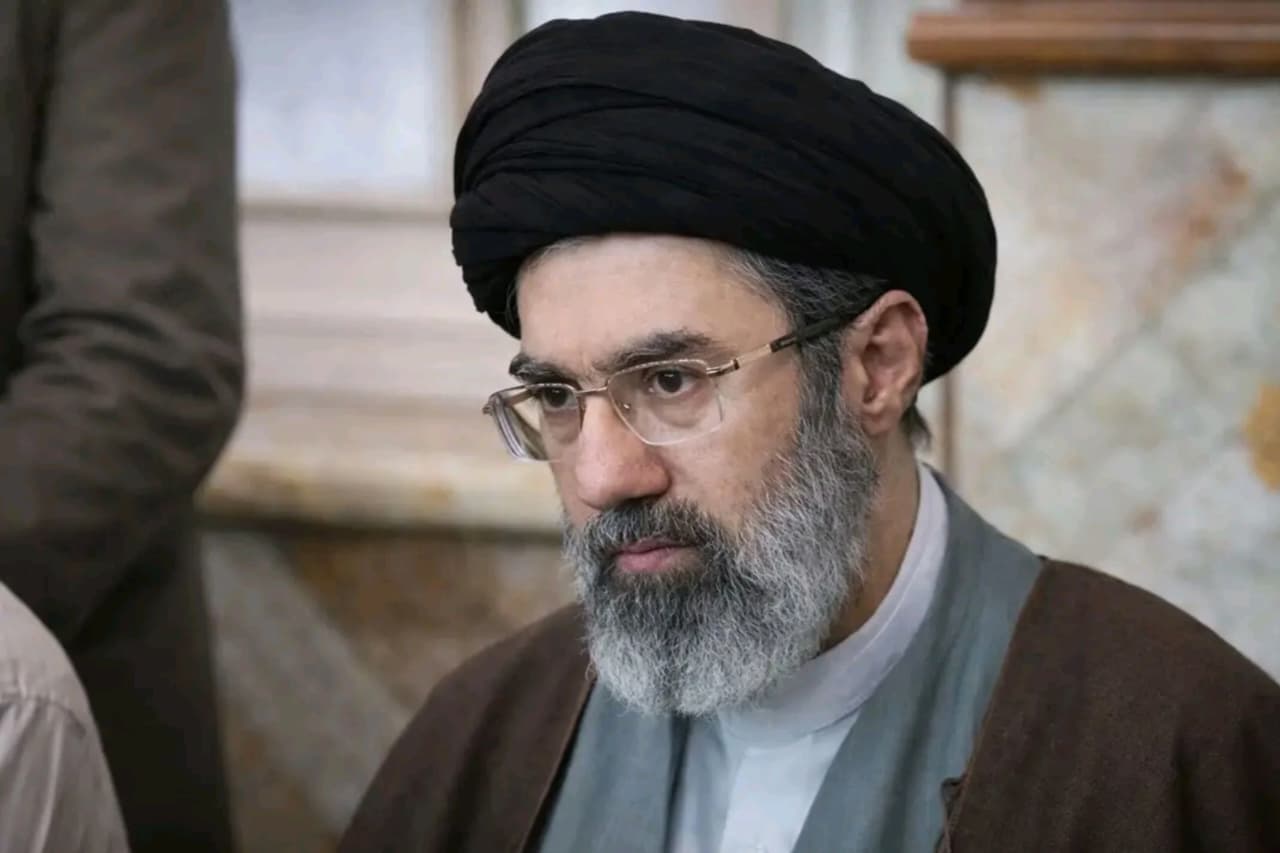
Ali Khamenei was assassinated in February of 2026, creating one of the most tumultuous leadership transitions. In a matter of days, his son, Mojtaba Khamenei, became the commander-in-chief of Iran. The IRGC was behind this rapid transition, as this powerful organisation altered the power structure of Iran. As Iran is embroiled in a war, dealing with internal conflict and faces global pressure, this will affect the global oil supply.
Behind the Scenes: How the IRGC Engineered the Transition
Assembly of Experts appointed Khemani’s son, Mojtaba Khamenei, to the highest political office in the country. Evidence indicates that the IRGC was involved in lobbying certain members of the Assembly of Experts. They are applying pressure to individuals who disagreed with their position regarding Mojtaba Khamenei’s appointment and taking steps to prevent any opposition.
The IRGC was able to refer to the circumstances created by war as justification for this decision. They have also portrayed the appointment of Mojtaba Khamenei as a necessity and not merely an option.
Crisis Narrative and the Strait of Hormuz Factor
The IRGC is the IRGC’s way to control the flow of oil, as the Strait of Hormuz is an important part of their strategy. Since the assassination of the Iranian president, the regime’s response has been to call it an emergency state of war.
Strategic Motives: From Clerical Rule to Military Dominance
There is a great deal of attention on the Strait of Hormuz because it accounts for almost 20% of the world’s oil supply. The new Iranian leadership has made statements that indicate they will take a more aggressive approach to the Strait.
The IRGC supported Mojtaba because of three key strategic goals: continuity of command, no factionalism and the establishment of control over a body of trusted leaders. This is indicative of a shift in Iran from a system of government ruled by clerics to that of military rule. By putting a leader in place who is closely connected to their interests, the IRGC is now positioned as the main entity determining Iran’s domestic and foreign policy.
Consolidation Phase of Khemani Rewarding Loyalty and Expanding Control
Mojtaba Khamenei has quickly consolidated authority since he took over. He has appointed figures close to the IRGC, such as Mohsen Rezaei, who are linked to the military. This shows a clear alignment of military leadership with the civilian government. Political factions continue to be divided, and civilian institutions have deteriorated due to long-term conflict and sanctions.
In addition, economic pressures, along with public dissatisfaction, complicate the situation further. Although the leadership presents a strong visage, instability at the core of the regime creates a significant challenge for long-term governance.
40 Days After Ali Khamenei: Rising Tensions and Global Fallout
With Ali Khamenei’s passing, Iran has moved into a much more radical direction, both at home and abroad. Evidence of this includes growing amounts of internal repression and less tolerance for dissent inside the country, as well as increasing hostilities towards Western countries.
At the same time, Iran’s relationship with smaller regional partners such as Hezbollah has been enhanced, and currently, there is no sign that any type of diplomatic relations or normalisation is underway with Western governments.
Furthermore, the overall geopolitical situation (and the “America First” strategy of deterrence, which creates a greater likelihood of military action against Tehran) adds to the increase in risk to both Iranian and Western interests. For example, the myriad threats associated with the Strait of Hormuz have already led to concerns in the global oil market.
4 Reasons Why the World is Watching the Oil Markets and Global Impact
Iran’s leadership transition has come at a time when global energy markets are currently in a state of heightened sensitivity to wars or other forms of geopolitical catastrophes. To this end, any act of instability in or near the Strait of Hormuz will likely lead to large increases in oil prices. This will also disrupt supply chains and result in increased inflation on a worldwide scale.
Iran also has considerable power because of its ability to affect shipping routes and energy supply routes. Due to increased tensions, even a perceived risk has the potential to materially impact global markets in very short periods of time.
Future of Iran: Stability, Isolation, or Escalation?
The Islamic Revolutionary Guard Corps‘ (IRGC) growing power will help the Iranian regime maintain its immediate grip on power, but will likely isolate the country in the long run. Balancing a desire for revenge while continuing to promote good governance will challenge the leadership of the Iranian regime.
Though it appears there’s little chance of cracking the code of an extremely well-organised and centrally controlled system in Iran, internal cracks may develop politically, economically and socially in the future.
Explore Who Guards Hormuz Now?
Discover which nations are keeping this vital oil route active and why it matters globally.
Check Is Screen Time Hurting?
Explore how nightly device habits may be silently affecting your sleep and overall health.
Discover Lawachara’s Hidden Trails?
Check the best wildlife spots, travel timing, and lesser-known forest paths before your next visit.
See Which Regions Face Alerts?
Explore the latest yellow and orange weather warnings impacting multiple parts of Bangladesh.
Find How Farming Went Smart?
Discover how mobile apps are transforming agriculture practices and helping Bangladeshi farmers boost yields.
Iranians Will Have a New Power Centre with Global Implications
In Iran, by 2026, the Islamic Republic will be run by military leaders and increasingly unlike the current system run by clerics. With the emergence of Mojtaba Khamenei, not only has the leadership of the system changed, but a structural shift will also occur with the rise of the IRGC to military rule. The continued tensions in Iran and the regime’s control over significant oil transit routes mean that the world’s energy supply and future geopolitical security are now dependent on Iranian politics.