
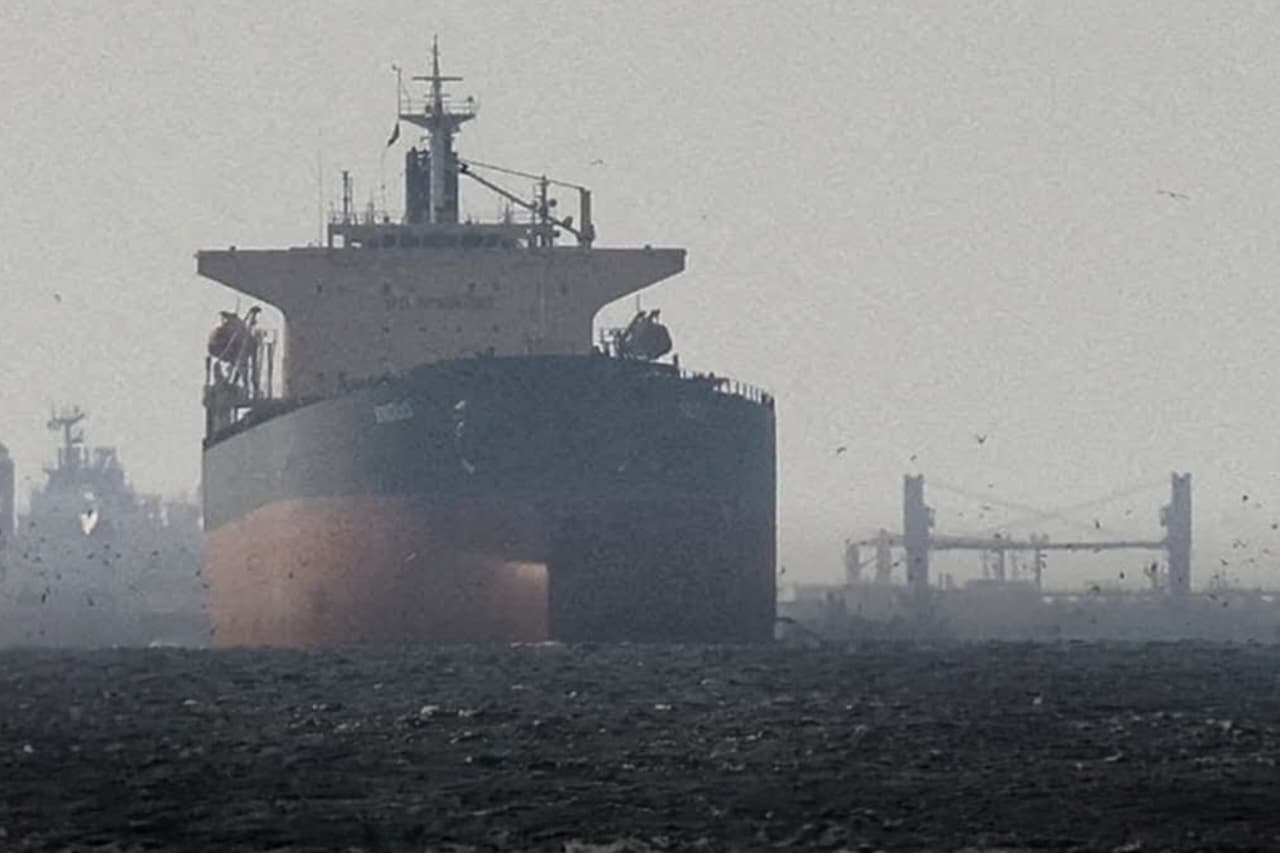
As tensions rise around the Strait of Hormuz, the question dominating global energy discussions is simple: who is still moving oil through one of the world’s most critical maritime routes?
The extremely narrow straits connecting the Persian Gulf and Arabian Sea carry almost 1/4 of the world’s total seaborne trade in oil. A disturbance to the flow of oil here will impact not only the Middle East but all energy markets in Asia and Europe as well. In 2026, with the geopolitical situation between Iran and much of the world beset with potential conflict, the willingness of shipping lines to ship through Hormuz has diminished drastically, though some countries are still able to continue getting their vessels through the straits.
10 Countries Keeping Oil Routes Alive
While there is no defined “official” listing of nations that remain committed to passing oil shipments via Hormuz, several countries have been consistently named as having continued to ship oil through Hormuz despite the tensions:
1. China
As the world’s largest crude oil importing country, China has maintained a steady volume of oil shipments to/from itself due to its long-standing commercial relationships and long-term contractual arrangements with Gulf oil producers and Iran.
2. India
Heavily dependent upon oil produced in the Middle East, India continues to allow oil shipments through the Strait of Hormuz to support the continued energy supply for its increasing population and expanding industrial economy.
3. Japan
Japan has few domestic energy resources and thus relies upon the continued use of the Strait of Hormuz for safe and reliable transportation of oil shipments to Japan. Japan has made several diplomatic efforts committed to providing secure maritime transit through the Strait of Hormuz for Japanese oil tankers.
4. South Korea
South Korea has a major need for a supply of crude oil, as it is a very significant producer of crude oil and relies on an uninterrupted supply, given its size as an industrial economy.
5. Philippines
The Philippines’ recent agreements regarding the supply of crude oil have improved the movement of oil tankers through the Strait of Hormuz, showing that the demand for energy to support the Philippines’ economy is increasing.
6. Singapore
As the world’s largest international trade hub, Singapore’s shipping and refining industries depend heavily on the flow of crude oil from Gulf countries.
7. Taiwan
In response to energy security issues, Taiwan has maintained active shipping routes through the Strait of Hormuz.
8. Italy
As part of a diversified energy supply strategy, Italy continues to source crude oil through the Gulf region.
9. Greece
Greek shipping companies play a vital role in maintaining an active shipping route between the Gulf and global markets.
10. Turkey
While serving as a critical Energy Transit State and Energy Importing Country, Turkey is uniquely situated to play a critical role in the successful transit of oil flows to/from the Gulf countries and the global markets.
Discover More Stories Worth Your Time
What’s Special At Izakaya Dhanmondi?
Check the Valentine’s Day 2026 special menu and experience at Izakaya.
Where Find Rangpur Street Food?
Explore the best street food spots in Rangpur for authentic local flavors.
How To Cook Beef Kala Bhuna?
Discover the traditional Bangladeshi recipe with expert cooking tips.
How To Spot Fake Jobs?
Explore ways to identify fake job offers on Facebook and WhatsApp.
How To Reduce Stress Naturally?
Check a weekly meal plan to lower cortisol and improve sleep.
Why Hormuz Matters to Bangladesh
Also known as the Straits of Hormuz, this narrow passage represents a transhipment route for about twenty per cent of global oil supplies. Bangladesh lacks self-sufficiency and relies on imports of crude oil, refined fuels, and liquefied natural gas for most of its energy needs; the vast majority comes from Gulf countries (e.g., Saudi Arabia, UAE, and Qatar). Any event causing disruption—delays, higher insurance costs, or restricted access— will directly increase Dhaka’s import costs.
Here are 4 economic consequences on Bangladesh as a result of the increased chances of disruption through Hormuz and increasing oil prices:
1. Increased Fuel Import Costs
When shipping through the Hormuz Strait carries increased risk, freight and insurance premiums subsequently increase. Higher landed costs are now being faced by Bangladesh for crude oil and LNG, which increases the burden of fuel subsidies on the Bangladeshi government and/or leads to higher domestic fuel prices.
2. Inflationary Pressures
Higher prices for fuel will filter through to increased costs for transportation, electricity, and manufacturing, resulting in inflation across many sectors. As a result, there will be price increases on food items, consumer goods, and services.
3. Pressure on Foreign Exchange Reserves
Oil is paid for in currencies, and rising oil prices will increase the demand for US dollars, which will in turn pressure foreign exchange reserves. This will lead to the depreciation of the Bangladeshi Taka.
4. Risks to Energy Supply
A protracted interruption of the supply chain could cause fuel shortages, leading to power outages or load-shedding that could significantly constrain industry, but especially the garment manufacturing sector, which is the largest contributor to Bangladesh’s export revenues.