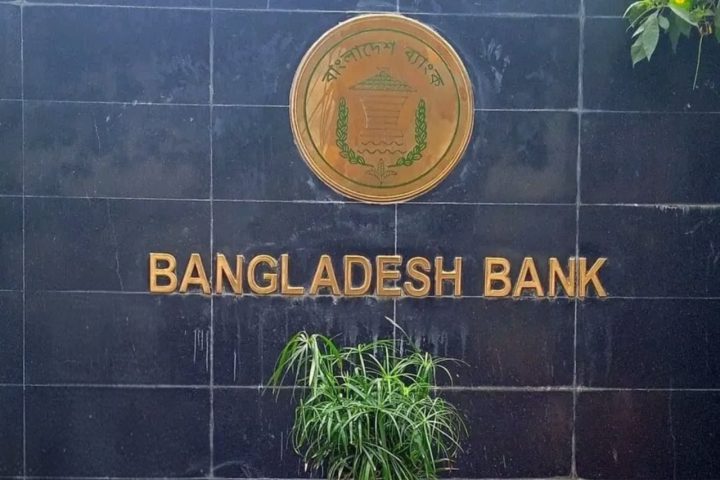

To keep the taka stable and deal with the increased instability, Bangladesh Bank bought another $115 million from the foreign exchange market. Because of high import demand, external debt, and changing export earnings, the central bank’s intervention is meant to stabilise currency movement and support trade and investor confidence.
This move shows that the bank wants to carefully get involved in the market instead of strictly controlling the exchange rate. This helps the economy keep going by balancing security and flexibility.
Managing the Forex Market’s Unpredictability
The $115 million buy was mostly meant to smooth out the market’s sharp swings instead of fixing the taka at a certain level. Officials say that the central bank would rather have an exchange rate driven by the market. The central bank steps in only when necessary to stop chaotic changes.
If the Bangladesh Bank injects dollars in a smart way, it can ease rapid pressure on banks and importers, stop people from hoarding dollars in order to make a profit, and limit the effects on pricing and liquidity in key sectors.
Pressures on Dollar Supply and Internal Actions
The high demand for importing food, fuel, and industrial goods puts more stress on the dollar’s liquidity. Even though money from exports and remittances has improved, they haven’t always kept up with the pace of losses. Payments for infrastructure projects and external debt payments add even more pressure.
Last Words
Bangladesh Bank’s new $115 million foreign exchange intervention is a planned move to keep the market stable. The central bank protects the taka, handles the effects of rising prices, and boosts trust in Bangladesh’s currency by combining market forces with specific forms of help.
Common Questions
Q1: Why did Bangladesh Bank spend $115 million in the foreign exchange market?
A1: To keep the taka stable, control its volatility, and make sure the dollar is available during times of debt and imports.
Q2: Will this action fix the exchange rate?
A2: No, it isn’t meant to keep a steady rate. It’s meant to smooth out sharp changes while still allowing a market-driven rate.
Q3: How does this change make prices worse?
A3: A more stable taka helps keep the cost of things that come into the country under control, which lowers the inflationary pressure.
Q4: Will more actions probably be taken?
A4: Yes, if volatility or liquidity pressures rise again, the central bank may step in wisely.
Q5: How does this help trade and investment?
A5: It makes sure that banks and importers can get dollars. This keeps deals running smoothly and people trusting the market.
Read Also: Silver That Shines Bright: Today’s Silver Price in Bangladesh Taka Explained