Why Environmental Concerns Are No Longer a Future Problem
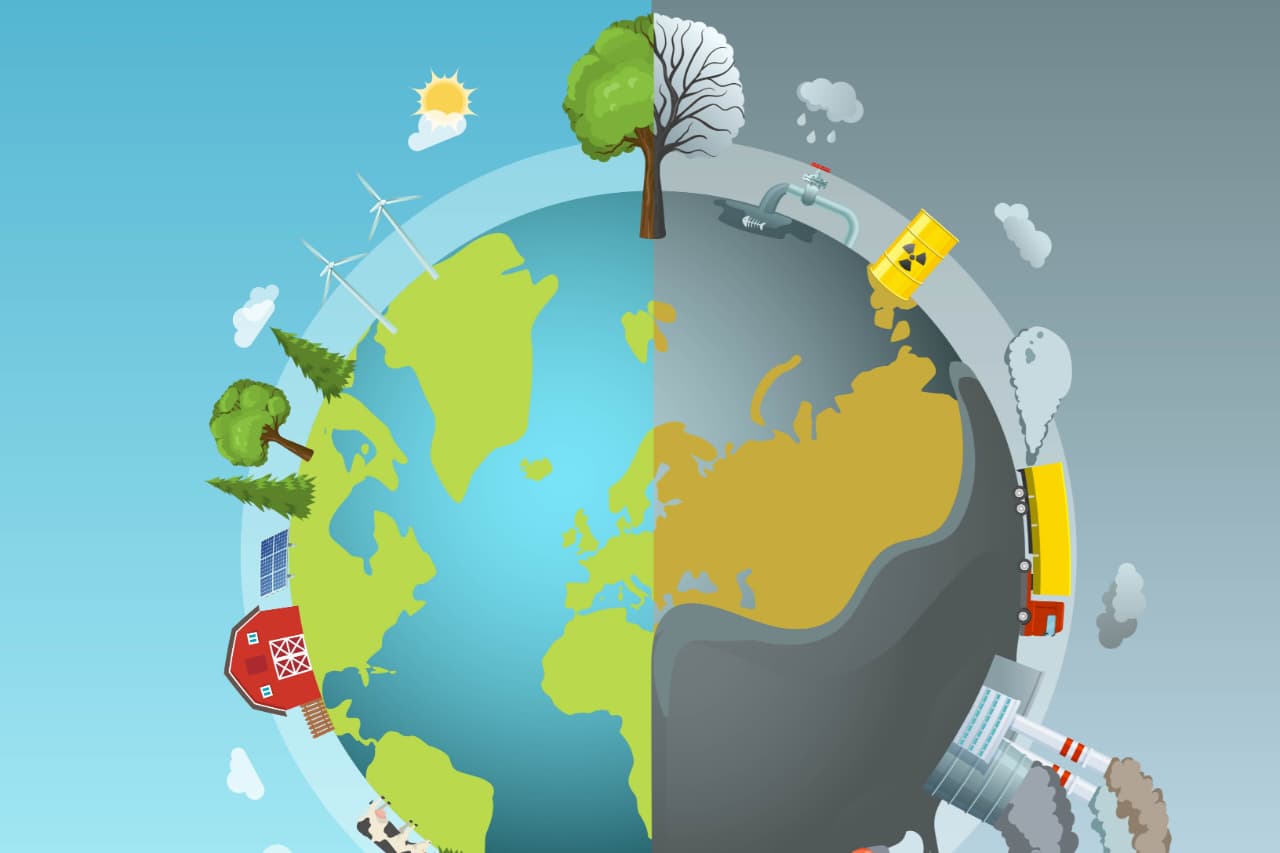
For decades, environmental concerns were spoken about as distant possibilities — melting ice caps “one day,” rising seas “in the future,” and pollution that “may” affect generations ahead. Today, that future is already here. From extreme weather to declining biodiversity, the signs are visible, measurable, and life-altering right now. Environmental problems are no longer predictions; they are present realities.
How Global Warming Changed Daily Life Today
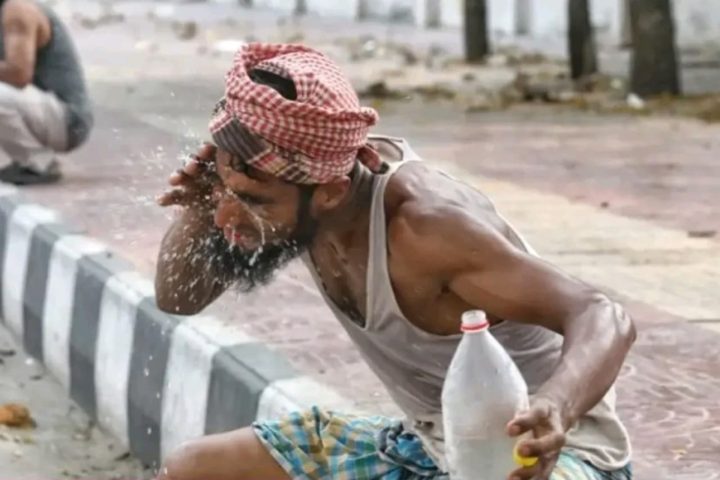
There are increasing instances of heat waves, erratic precipitation, extreme droughts, and flooding all over our planet. It is not a surprise; it is just the beginning of the consequences of increased earth-wide temperature (global warming). Crop failure for farmers, water stress for cities and communities that have already been moved away from their homes because of a rise in sea level due to climate change, are all examples of how climate change has already begun to impact people’s lives. Climate change does not just affect scientists and researchers but also impacts us with increased food prices, health issues, increased unsafe working conditions, loss of food production, and loss of livelihoods from increased sea-level rise.
Pollution is Affecting Humans Right Now
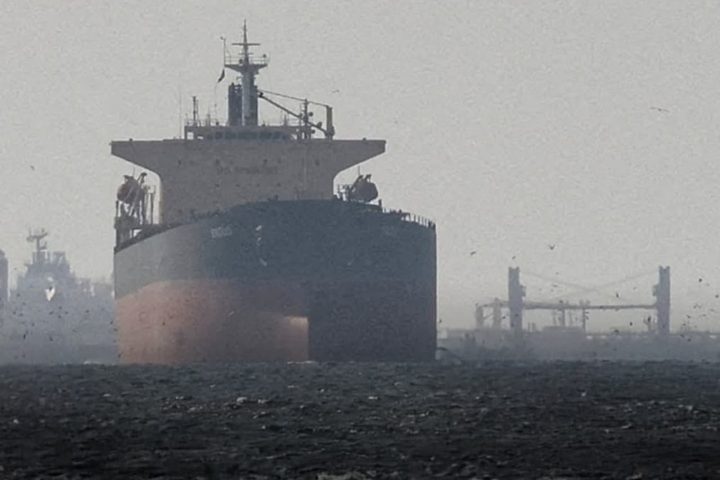
How do you feel about the air you breathe and/or drink and the water you drink? We know that air and water pollution cause chronic lung disease, heart disease, and neurological disorders, and children exposed to a polluted environment in a city are at a higher risk of developing these same chronic illnesses. We also know that plastics are now entering our oceans, soil, and bloodstreams as microplastics. The fallacy of thinking that “technology will eventually solve this issue” is damaging to us now, as we are already seeing the effects of that on human health.
Ecosystem and Economic Impact of Biodiversity Decline
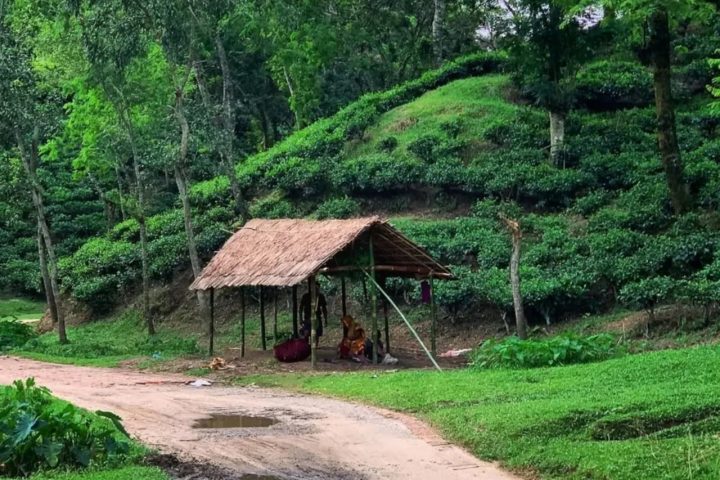
The rate of species extinction is increasing rapidly. Many of these extinctions affect forests, coral reefs, and natural habitats. These extinctions not only mean the loss of animals’ beautiful exterior, but they also affect the very complex yet interdependent systems that society relies on to live, including food sources, oxygen production from trees, and medicines derived from plants. When pollinators diminish, there will be a reduction in agriculture’s ability to produce food. The disappearance of forests and deforestation also means there will be less oxygen produced and less ability to regulate the climate.
The Cost of Not Acting on The Environment Is Becoming Higher
Environmentally degraded areas are already costing the world billions of dollars in disaster recovery and health care; Insurance premiums increase dramatically after major floods and hurricanes. Nations spend a larger portion of their budgets on disaster management than they do on prevention. The longer a nation waits to address environmental concerns, the higher the social and economic cost will become.
Individual and Collective Action Matters Today
Small daily choices, corporate accountability, renewable energy adoption, and government policies all play vital roles. Recycling alone is not enough; systemic change, sustainable business practices, and informed citizens are essential. The opportunity to act still exists — but the window is narrowing.
Frequently Asked Questions
Q1: Why are we as a society so urgently concerned about environmental degradation today?
Because environmental degradation is currently affecting communities around the world in the form of severe weather, negative health impacts, elimination of natural resources, etc.
Q2: Is it possible to reverse climate change?
While many effects of climate change cannot be undone, we can take action today to help minimize potential damage in the future.
Q3: What are some of the ways that environmental degradation affects the health of humans?
There is a connection between exposure to environmental toxicity and respiratory disease, additional heat stress, waterborne disease, and exposure to environmental toxins.
Q4: How can an individual make a difference?
Individuals can make a difference by making a conscious effort to reduce waste products, conserve energy, support/store sustainable products, and advocate for more effective environmental legislation.
Q5: Is industry at fault regarding environmental issues?
Industries have created substantial amounts of emissions and/or by-products; however, the power of industrialization can also be used to create large-scale solutions to these problems.
Read Also: Why Bangladesh Is Gaining Global Attention in 2025