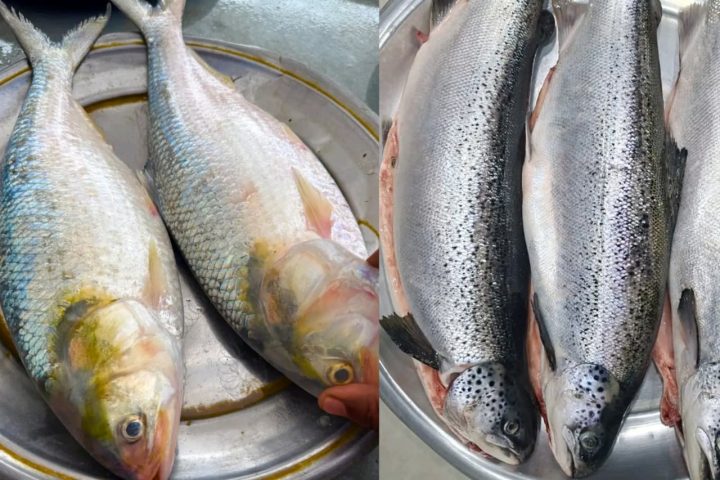
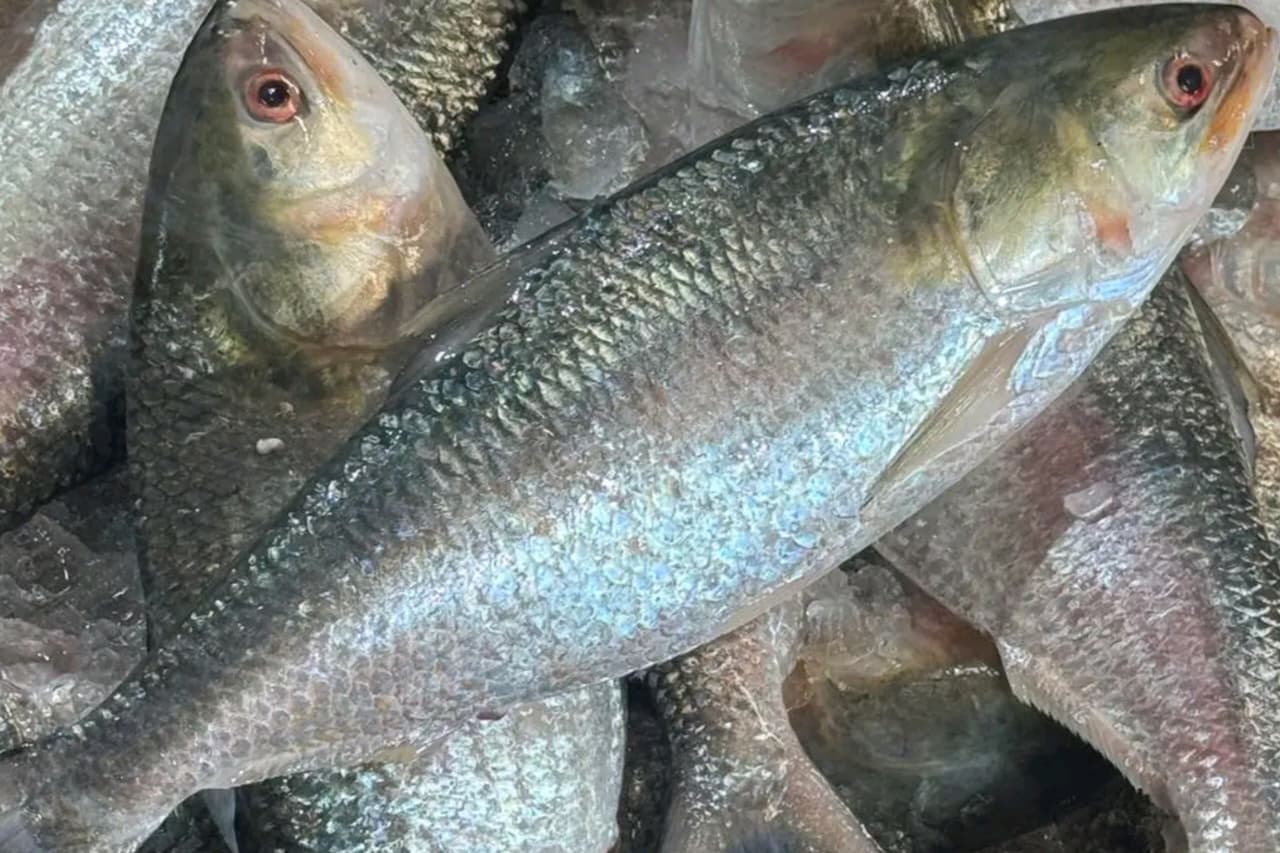
Hilsa, the famous “ilish,” is an important part of both Bangladeshi society and food. Millions of people who live along the rivers in Bengal depend on this food, which is both a delicacy and a sign of Bengali identity. But Hilsa prices have been going up over the past few years, making people pay more and raising worries about the fish’s future.
Experts say that both supply and market prices are affected by a number of factors, such as changes in the environment, river ecosystems getting worse, hunting, and changes in the seasons. Figuring out the main reasons helps us see how temperature, the economy, and people’s ability to make a living are connected in Bangladesh’s fishing industry.
Climate Change and the Life of Rivers
Bangladesh’s water systems have changed because of climate change, which is bad for Hilsa breeding. Rising water temperatures, unpredictable weather, and changing river flows all have an effect on where fish spawn and how they migrate.
Some parts of the Padma, Meghna, and Jamuna rivers, which are important environments for Hilsa, have less oxygen and changing salinity levels. This kind of environmental stress has a direct effect on how much Hilsa is available, which makes markets raise prices because there is less to go around.
Overfishing and Problems with the Seasons
Overfishing is still a big problem. Even though the government has rules against it, illegal fishing and high demand during celebrations often lead to big harvests outside of the allowed seasons. This not only puts the Hilsa people in danger, but it also makes the market unstable.
Changes in the seasons also play a part. Hilsa catches are at their highest during the monsoon season, when fish move upstream to mate. During this time, prices tend to go down a bit. Prices go up during the dry season because there is less supply, which makes it harder for regular consumers to buy.
Effects on Jobs and Neighborhoods
A lot of fishing families count on Hilsa to make money. While higher prices may look good for them, practices that aren’t sustainable and environmental stress could make it hard for them to make a living in the long run. Communities can become economically vulnerable when their fish catches drop, especially during lean months when fish is hard to find.
To learn more about how climate change affects local fisheries, look into how changing river ecosystems affect Bangladesh’s aquatic livelihoods. This shows how ecology, economy, and society all work together.
Hilsa Price Dynamics: Key Insights
| Factor | Impact on Hilsa Prices |
| Climate change | Alters river temperature and salinity, affecting supply |
| River ecology degradation | Reduces breeding grounds, lowers population |
| Overfishing | Creates scarcity, drives up market prices |
| Seasonal variations | Peak monsoon lowers prices; dry season increases them |
| Market demand | Cultural and festival demand inflates prices |
Conclusion
Hilsa prices are going up in Bangladesh because of a lot of different social and economic factors. Changing climate, river ecosystem stress, mining, and seasonal demand are some of the things that make it hard to keep up with supply and make a living.
To solve these problems, we need good management of fisheries, laws that are resilient to climate change, and people who buy and sell fish to be aware of these issues. It’s not just about saving a beloved fish when you protect Hilsa; you’re also protecting a whole culture and economic ecosystem.
FAQs
Why are the rates of Hilsa going up in Bangladesh?
Changes in the environment, pollution, changes in the seasons, and higher market demand all cause prices to go up.
What does climate change mean for Hilsa fish?
When the temperature, salt, and oxygen levels of a river change, it affects how animals breed and lowers their numbers.
What are the main rivers where Hilsa lay their eggs?
In Bangladesh, the Padma, Meghna, and Jamuna rivers are very important for the Hilsa.
Does overfishing cause prices to go up?
Yes. Using fishing methods that aren’t safe cuts down on supply, which drives up market prices.
If Hilsa people are brought back, can they stay that way?
Yes, by managing fisheries in a way that takes climate change into account, regulating fishing, and protecting ecosystems.
Read Also: New Bengali Films Out in 2026 | Latest Updates & Release List