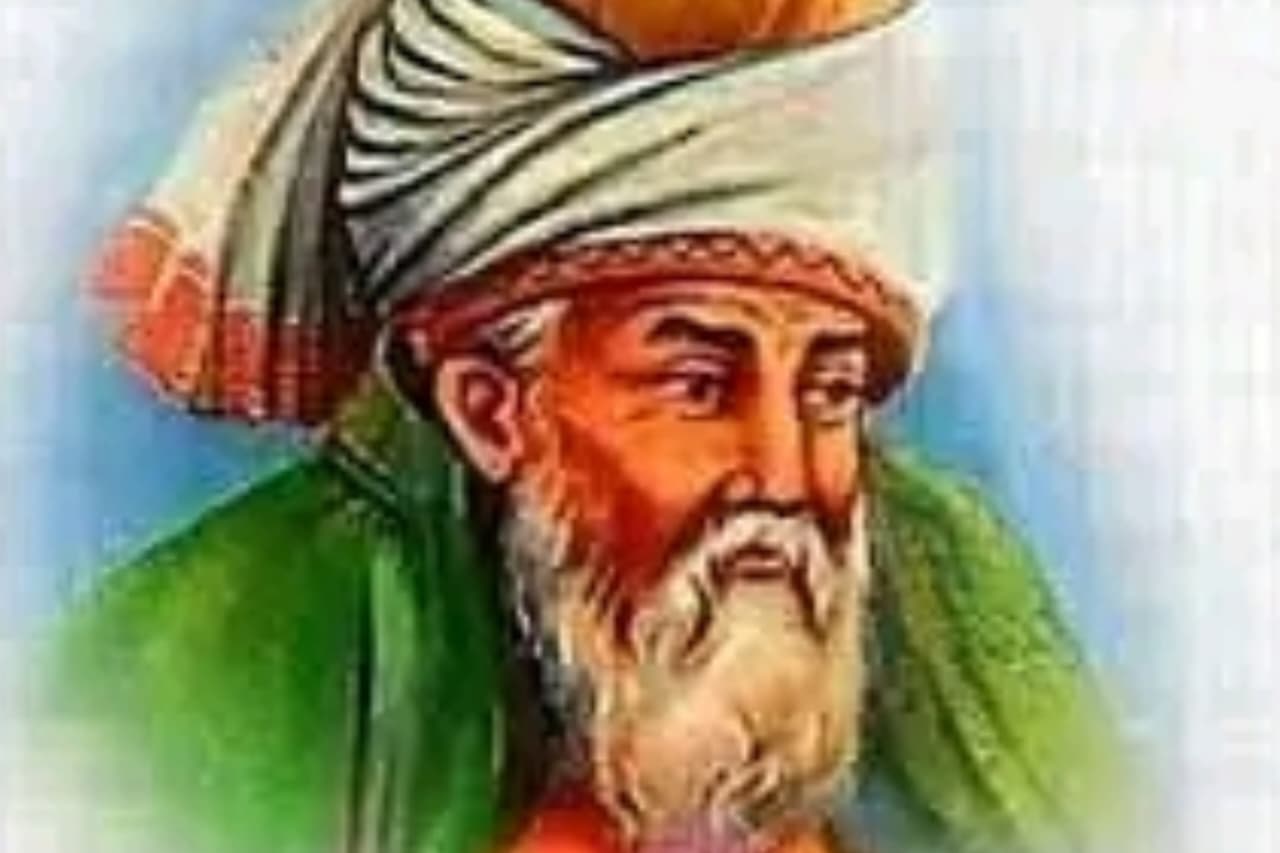
Even after hundreds of years, Rumi still makes people debate. More than 700 years after he died in 1273, people are still talking about Jalal ad-Din Muhammad Rumi in religious, cultural, and academic circles. A lot of people say that Rumi is one of the greatest mystical poets ever. His works are a mix of philosophy, deep feelings, and love for God.
But because so many people like him, there have also been fights about how to understand what he taught. Scholars, religious leaders, and contemporary readers frequently interpret his works in markedly distinct manners. The three main things people talk about are his religious beliefs, his cultural identity, and how people today interpret his poetry.
Theological Discussions Regarding Sufi Mysticism
Sufism is a mystical branch of Islam that places a strong emphasis on divine love and spiritual experience. Rumi was a very important figure in this tradition. His teachings led to the creation of the Mevlevi Order, which is known for its whirling dervish ceremonies.
Some traditional scholars have always been against these practices, though. People who strictly followed Islamic law didn’t like that sama, or spiritual rituals, used music, dance, and ecstatic poetry.
Some people didn’t like Sufi philosophical ideas that seemed to mix the divine with the human. Some conservative scholars have compared Rumi’s mystical philosophy to Ibn Arabi’s, whose ideas about spiritual unity were also controversial.
Disputes About Rumi’s Cultural Identity
Rumi’s cultural identity is another important thing to talk about. Many nations assert his legacy due to his life and historical significance.
Balkh, an old city in what is now Afghanistan, is where Rumi was born. He is considered a literary icon in Iran because he wrote mostly in Persian. He lived in Konya, which is now part of Turkey, for a long time, but he was buried there.
These ties that overlap have caused cultural differences, with each country stressing its link to the famous poet.
Rumi’s Western Reinterpretations
Rumi is now one of the most well-known poets in the West. Many English translations of his poetry have helped it reach more people, especially those who are interested in spirituality and personal growth.
Some scholars, however, say that some modern translations make it hard to see the Islamic context of his work. Coleman Barks and other translators often downplay references to Islamic theology in favour of more universal themes of love and spirituality.
This has led to campaigns like “Rumi Was Muslim,” which try to show how devoted he was as a teacher and scholar of Islam.
FAQs
1. Who was Rumi?
Jalal ad-Din Muhammad Rumi was a Persian poet, Islamic scholar, and Sufi mystic who wrote about spirituality, love between people, and love from God in the 1300s.
2. What’s the current argument about Rumi?
People disagree about Rumi’s Sufi teachings, who should get his cultural legacy, and modern translations that sometimes leave out Islamic references. This makes him a controversial figure.
3. What is Rumi’s most well-known book?
Many people think that Rumi’s most famous work, the Masnavi, is one of the most important works in Sufi literature. It is a six-volume poem.
Read Also: Best Time for Sundarbans Kayaking: When to Explore the Mangrove Forest Safely