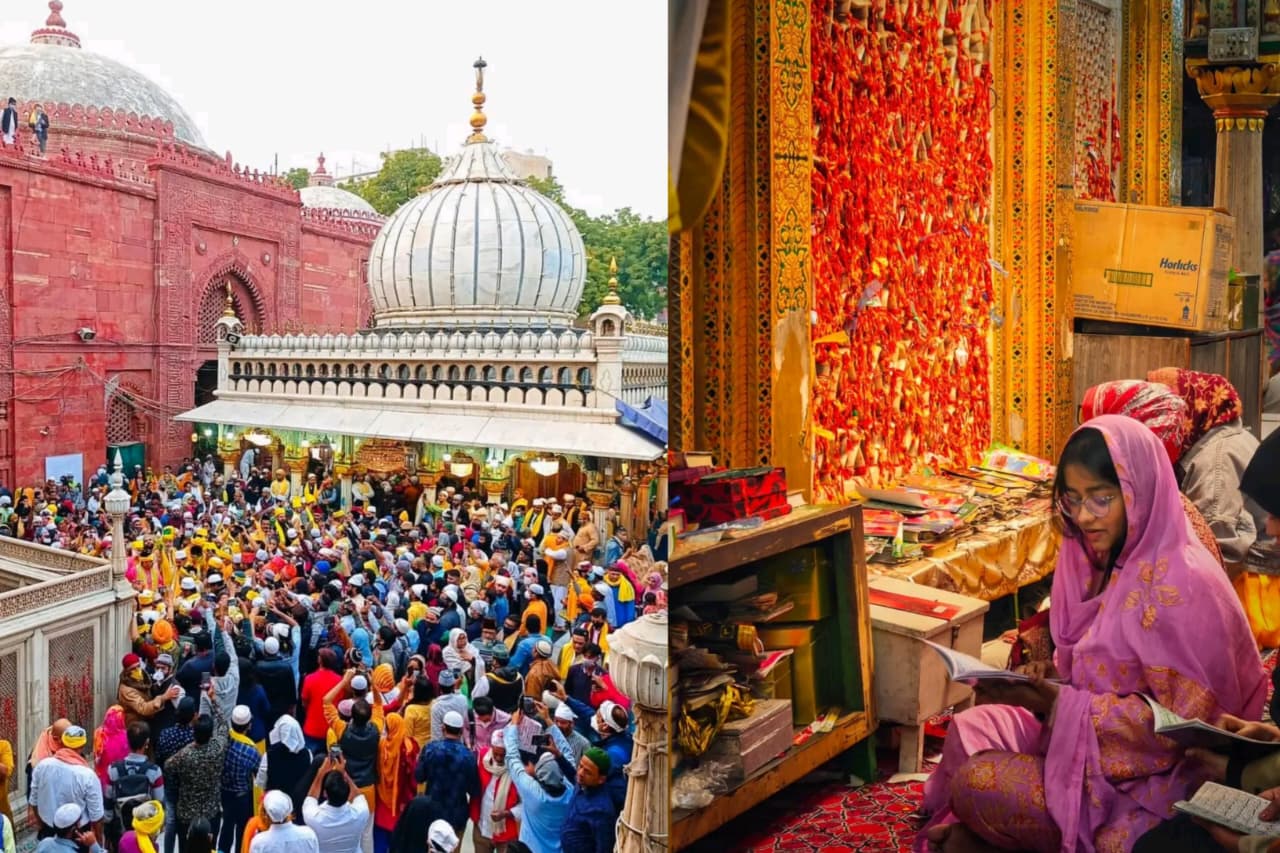
Every year, as winter fades and spring arrives, Nizamuddin Dargah in Delhi comes alive with yellow flowers, devotional music, and spiritual celebration. Known as Sufi Basant, this centuries-old tradition welcomes spring through poetry, faith, and harmony, reflecting the inclusive spirit of Sufism.
The Origins of Sufi Basant
Sufi Basant is believed to date back over 700 years to the time of Hazrat Nizamuddin Auliya, one of India’s most revered Sufi saints. According to tradition, his disciple and celebrated poet Amir Khusrau introduced Basant to uplift the saint during a period of grief. Khusrau is said to have sung Persian verses praising spring, marking the beginning of this unique Sufi custom.
Over time, the ritual became an annual celebration, blending local cultural practices with Sufi devotion.
Why Yellow Defines the Celebration
Yellow symbolises renewal, hope, and prosperity. Devotees wear yellow clothes and offer mustard flowers at the dargah as a sign of gratitude and joy. The colour also represents the blooming of nature and the spiritual awakening associated with spring.
Music, Poetry, and Devotion
At the heart of Sufi Basant is qawwali, where singers perform verses celebrating love, nature, and divine connection. The songs often reference spring as a metaphor for spiritual rebirth. The atmosphere remains devotional rather than festive, maintaining the sacred character of the dargah.
A Symbol of Cultural Harmony
Sufi Basant stands out because it transcends religious boundaries. People from different faiths gather to witness and participate in the celebration. This inclusiveness reflects the core Sufi belief of unity, compassion, and coexistence.
Why the Tradition Still Matters
In a rapidly changing world, Sufi Basant continues to preserve Delhi’s shared cultural heritage. It serves as a reminder that spiritual traditions can coexist with seasonal celebrations, offering meaning beyond ritual.
Read Also: What is the Nipah Virus? Symptoms, Death Rate and Safety Measures Explained