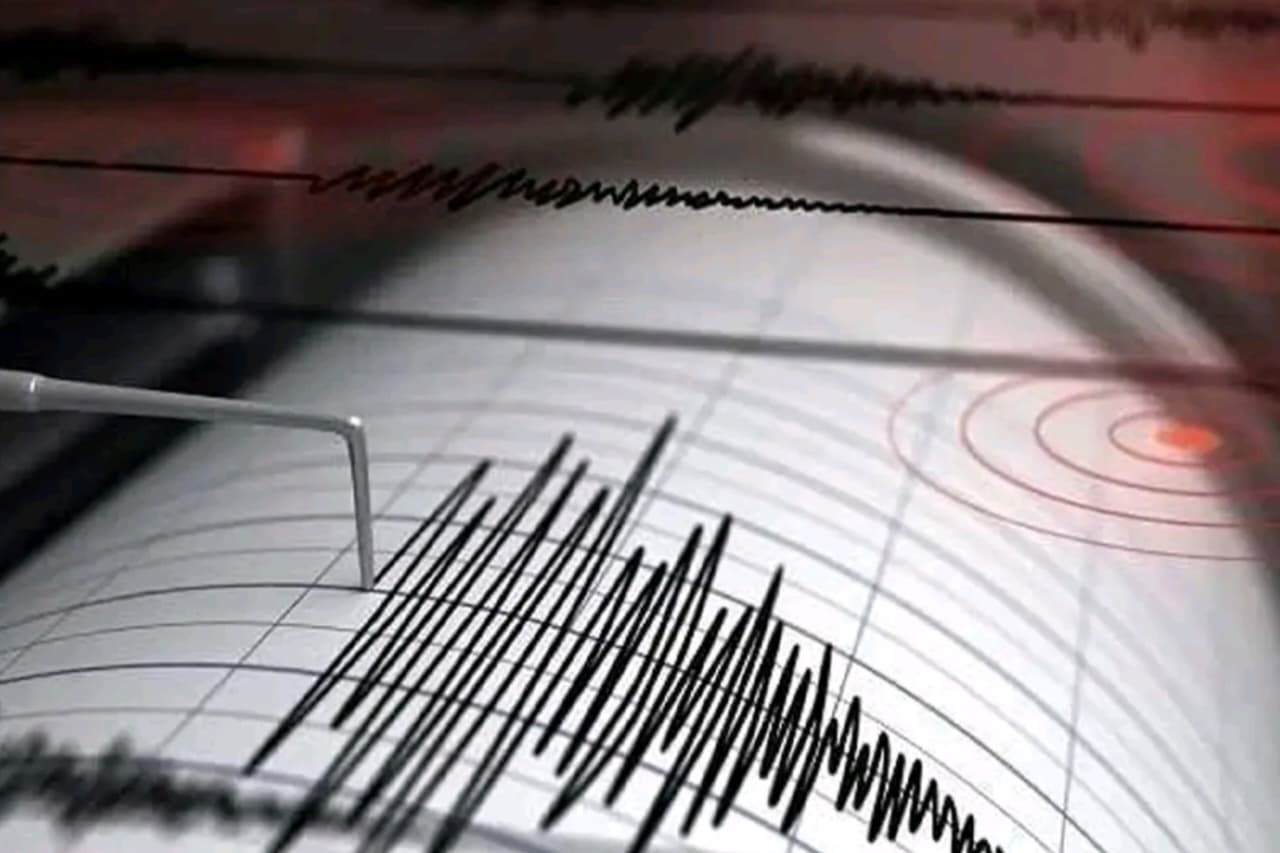
The Hindu Kush is one of the most active seismic zones in the world because it has a lot of strong earthquakes. Plate movement, deep subduction, and changes in the rocks inside the Earth are all part of the complicated geological processes that cause this activity.
Plate Collision That Keeps Happening
The Indian Plate and the Eurasian Plate are colliding, which is the main cause of this seismic activity. The Indian Plate keeps moving north and pushing down on the Eurasian Plate. This constant movement builds up a lot of pressure underground, which is released in the form of earthquakes.
Deep Subduction and the Shape of the Slab
The Hindu Kush has deep-focus earthquakes, which are different from those in many other earthquake-prone areas. This is because one plate slides under the other through subduction, creating a steeply dipping slab. The unusual shape of this slab lets stress build up at great depths, which causes strong earthquakes that can be felt over large areas.
How fluids and rocks break down
The release of fluids from the subducted crust is another important factor. Minerals give off water when they are under a lot of pressure and heat. This makes it easier for faults to move. This “lubrication” effect makes rocks weaker and easier to slip, which makes earthquakes happen more often.
Zone of Distributed Deformation
The area doesn’t depend on just one fault line. Deformation happens over a large area instead. This means that stress is released in many places instead of just one big break. This makes earthquakes happen more often in the Hindu Kush–Pamir region.
Discover More Stories Worth Your Time
Which earthquakes made history?
Explore the deadliest seismic events recorded
Tsunami threat for Bangladesh?
Check the latest Pacific Ring warnings.
Best Cox’s Bazar weekend plan?
Discover top spots near Laboni Point
Which Movies Hit 100 Crore?
Explore the fastest 100 crore grossing Bangladeshi films list
Why Meghna Estuary Portal Matters?
Check what the Meghna Estuary Knowledge Portal is and its significance
How often and in what pattern do earthquakes happen
These processes together cause big earthquakes (magnitude 7 or higher) to happen all the time in the area. These kinds of big events happen every 10 to 15 years on average, which shows that the risk of earthquakes is always there.
Summary
The Hindu Kush has earthquakes because plates are always colliding, going deep into the ground, getting weaker because of fluids, and changing shape all over the place. These things work together to make a cycle of strong earthquakes that happen again and again. These earthquakes are what make the region’s geology what it is.
FAQs
1. What makes the Hindu Kush have so many earthquakes?
The Indian Plate and the Eurasian Plate meet in this area. This constant movement builds up stress that is released as earthquakes.
2. What makes earthquakes in the Hindu Kush different?
Because of the steep subduction, a lot of earthquakes happen deep down here. People can feel these deep-focus earthquakes over a wide area.
3. How do fluids in this area affect earthquakes?
Fluids that come out of the Earth make faults less slippery. This makes it easier for rocks to move and cause earthquakes.
4. How often do big earthquakes happen here?
Every 10 to 15 years, there are usually large earthquakes with a magnitude of 7 or higher. This keeps the area busy all the time.
5. Are earthquakes dangerous in the Hindu Kush region?
Yes, it is thought to be a very dangerous seismic zone. Because of the frequent and strong earthquakes, nearby areas need to be ready.