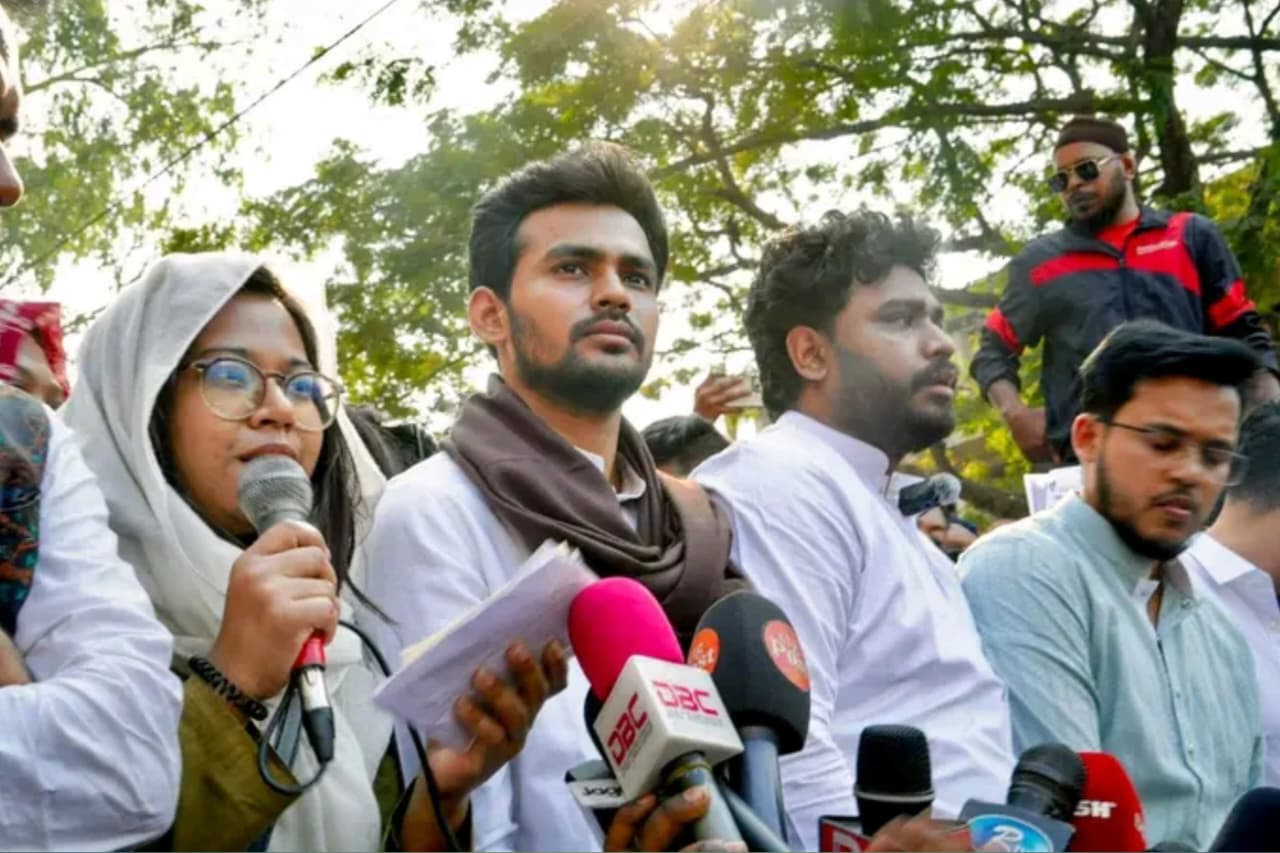
In 2024, the Bengali avenues narrated a tale of revolution, optimism, and intergenerational resistance. Youthful protesters, students, freelancers, and first-time voters flocked into the streets and squares, protesting what they thought was a failed system. They were so strong that they succeeded in overturning the long-established government of Sheikh Hasina. But within not two years, the same vitality appeared to disperse at the polls.
The elections of February 2026 showed a harsh reality that street power does not necessarily translate into political victory.
A Youthful Movement Born of Frustration
What started as protests of job quotas favouring descendants of freedom fighters soon escalated into a lot more. The July-August 2024 revolt took into account popular frustration with unemployment, corruption, and the dwindling democratic space.
The movement, unlike the traditional movements, was influenced by Gen Z. Social media was a battleground. Memes substituted manifestos, graffiti speeches, and loosely structured party systems. The movement was new, brave and invincible.
One of the new personalities was the youth leader Osman Hadi, whose popularity was an embodiment of the movement. His abrupt death during the post-uprising period left a leadership gap that undermined the shift of protest to politics.
The government of Hasina crumbled when the military declined to act, hence forcing her to escape. Her present position is still politically delicate, and legal and institutional issues still influence the national narrative.
Protest to Power–A Troubled Conversion
In its aftermath, an interim government headed by Nobel laureate Muhammad Yunus assumed power. Youth leaders who had been on the streets were now in policy rooms giving advice on what to change.
Yet this change revealed a fatal defect. Protest movements are based on urgency; governance must be structured. Those leaders who were able to mobilise thousands of people were unable to set a clear economic or political roadmap.
Expectations were sky-high. Delivery, however, was tardy.
Election Shock 2026: What We Should Know
It was expected that when elections took place in early 2026, the youth-led National Citizen Party (NCP) would become a serious contender. Rather, it only won six seats in a 300-member parliament.
The actual victor was the long-running Bangladesh Nationalist Party (BNP), which had overwhelmed the polls by a huge majority.
In the meantime, the political situation was strained. The arrest of Shirin Sharmin Chaudhury, one of the key personalities of the previous regime, last week brought to light the churning of the law and politics that was still going on after the uprising.
To a movement, at one time, that had been the talk of the news and the roads, the outcome was not only disappointing–it was a reality check.
Discover More Stories Worth Your Time
See How Gulf Tensions Affect?
Explore why 2026 conflicts are raising remittance concerns for Bangladeshi workers abroad.
Learn Which FDR Pays More?
Check the best Bangladesh bank rates, interest comparisons, and smart tips before investing
Explore Gulshan’s Hidden Café Corners?
Discover Dhaka’s most photogenic café spots and the Instagrammable gems you may have missed
Check Best Digital Nomad Jobs?
Explore top remote roles and where to apply for steady dollar income opportunities.
Find Can Zero-Oil Slim You?
Discover how this practical and sustainable cooking style may support healthy weight loss.
Where It Went Wrong among Bangladeshi Youth Leaders
Time was one of the greatest challenges. It is not the same to build a political party as to organise protests. Although the NCP was visible among urban youths, it never succeeded in forming strong ties among rural citizens, who are usually the ones who vote in elections.
Then there were tactical blunders. The alliance of the party with Jamaat-e-Islami was controversial. It was perceived as a betrayal of the progressive ideas of the movement by many of the core supporters, particularly women and moderate voters.
The absence of Hadi highlighted leadership gaps. The movement was vocal but lacked skilled politicians who knew how to manage the constituencies and how to run elections.
Voters Choose Stability—Why?
To a large number of voters, particularly in the non-urban areas, the election was not about idealism, but stability. Following months of turmoil, citizens desired stability, employment, and government, not experimentation.
Established parties such as the BNP had experience and organisational prowess. They possessed networks, resources and experience- things the NCP did not have.
This city-country gap proved fatal. Although youth activists were leading online discussions, they were unable to translate their influence into voter support across the country.
A Lesson Beyond Bangladesh: Why Nepal Is Rising
The difference with Nepal speaks volumes. As the youth movement in Bangladesh was unable to institutionalise power, Nepal’s youth-led political changes have been more concerned with incremental participation in formal politics.
This contrast underscores an important lesson: lasting political change involves acting within systems–not merely overthrowing them.
The Structure of Power Has to Be Constructed, Not Taken
The young generation of Bangladesh demonstrated that they could rock the power. Yet, elections are more than momentum; they need machinery, messaging, and trust. Toppling a government is dramatic. The construction of one is intentional. Until that interval is filled in, the process of getting off the streets and into enduring political power will be incomplete.