

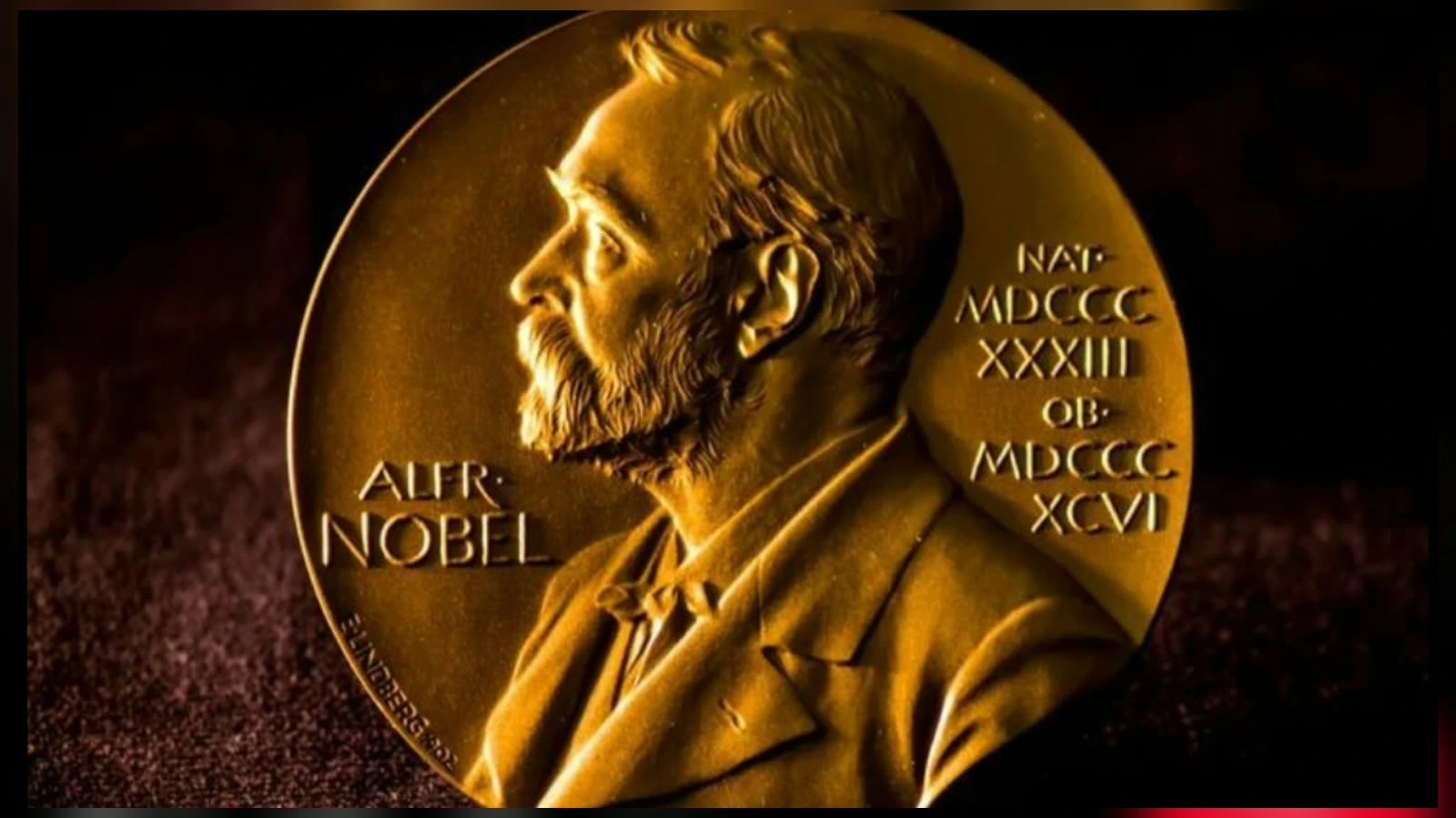
American economists Robert Hall and Michael Woodford have won the 2026 Nobel Memorial Prize in Economic Sciences, announced in Stockholm on 12 October. The Royal Swedish Academy of Sciences honoured them “for microeconomic foundations of macroeconomic stabilisation.” The two will split a prize of 12 million Swedish kronor, about $1.2 million.
Discover More Stories Worth Your Time
Why the Old Playbook Broke
During the stagflationary oil crises of the 1970s, the widely accepted Keynesian prescription of cutting interest rates and widening budget deficits to fight recessions appeared to stop working, according to the Academy. Prices were rising even as growth stalled, and policymakers needed a sturdier way to understand why.
Building Policy From the Ground Up
Hall and Woodford answered by changing the starting point. Rather than viewing the economy from a bird’s-eye perspective, their models begin with how individual economic actors behave. The Academy said this produced a paradigm shift in the theory of stabilisation policy. In this approach, Hall’s work looked at how consumers make decisions, while Woodford’s looked at how businesses do.
Woodford and the Logic of Inflation Targeting
Woodford’s best-known contribution is his treatise Interest and Prices. It shows how dynamic stochastic general equilibrium models can be applied to monetary policy and supplies theoretical foundations for inflation targeting. His research also covers how central banks communicate their goals and intentions, which matters because what people expect a central bank to do shapes how markets and households react.
Why It Matters Now
The Academy noted that their models are now used by central banks and governments around the world. The recognition comes as policymakers keep dealing with shocks such as energy crises and inflation. In short, Hall and Woodford gave policymakers a way to ask what a rate cut or a spending push will do to the people and firms who must respond to it.