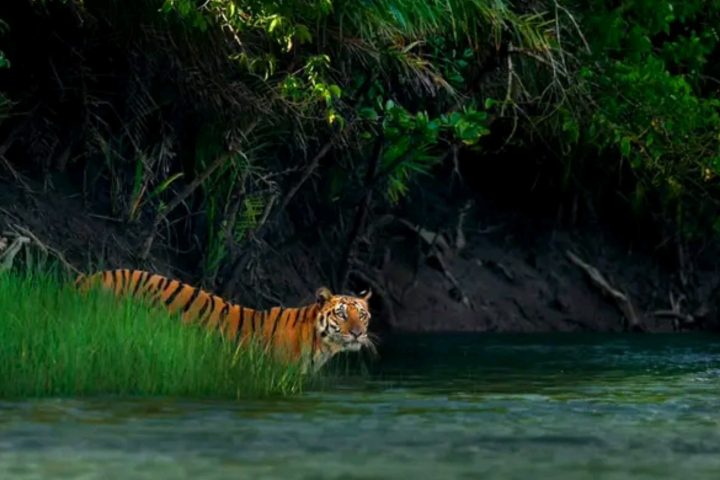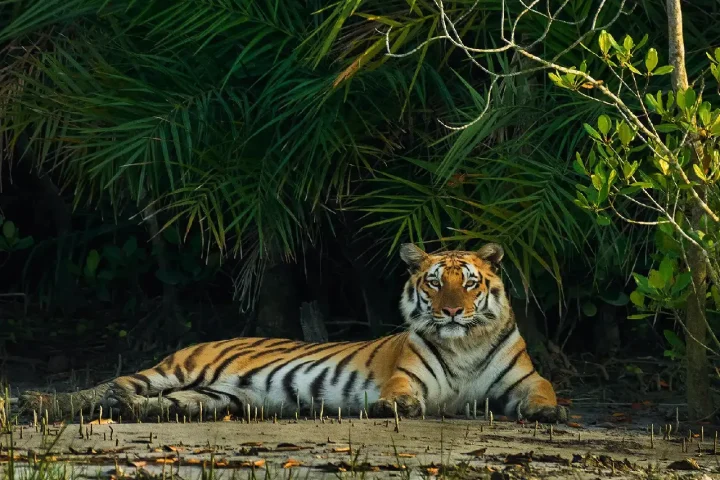

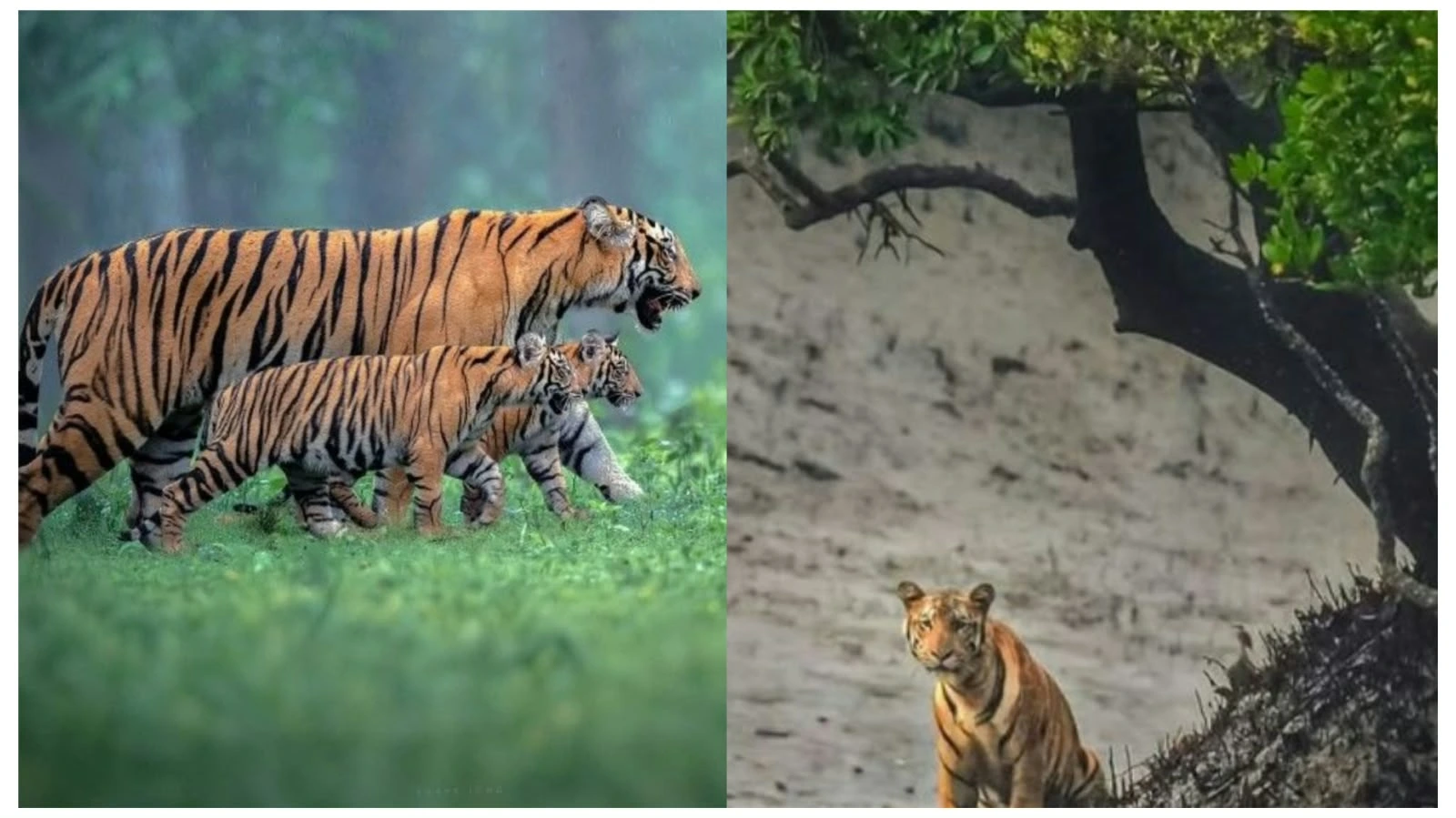
The Sundarbans is best known for mangroves and Royal Bengal tigers. Its freshwater life is less talked about, and it is under growing pressure. It shows what happens when rivers carry less fresh water to the sea.
A Global Crisis With South Asian Roots
A major assessment by the International Union for Conservation of Nature (IUCN), published in Nature in January 2025, found that 4,294 of 23,496 freshwater animals on the Red List are at high risk of extinction. Pollution affects 54% of those threatened species, and 39% are hit by dams and water extraction. Both pressures act on the rivers that feed the Sundarbans.
Discover More Stories Worth Your Time
1. Which venomous snakes are a real threat in Bangladesh, and how can people identify them?
From cobras and kraits to vipers, discover the venomous snakes found across Bangladesh and why they remain a serious concern.
2. Did you know a new island has emerged in the Sundarbans?
Explore the story behind the new island in the Sundarbans and what its appearance could mean for this fragile ecosystem.
3. Why are Bangladesh’s wild birds increasingly at risk from poaching?
Take a closer look at the illegal bird trade and poaching threatening the country’s wildlife.
4. What makes Sundarbans honey collectors enter one of the world’s most dangerous forests?
Their search for honey can bring them face-to-face with Royal Bengal Tigers. Discover why these collectors continue to risk their lives.
5. Is there more to the Sundarbans than science can explain?
From mysterious stories to local beliefs, explore the fascinating debate between science and superstition in the Sundarbans.
When Rivers Stop Reaching the Delta
Many channels in the Indian Sundarbans have lost their link to upstream fresh water. The Saptamukhi, Thakuran, Matla, Gosaba and Harinbhanga rivers are now fed mostly by tides. Researchers point to reduced freshwater flow, lower discharge from barrages, farm runoff and water drawn for irrigation as drivers of rising salinity. Silt buildup in the waterways makes it worse. Sea-level rise adds to the problem, with the Sundarbans seeing 3.9 mm a year, more than twice the global average.
The Ganges River Dolphin as a Warning Sign
The Ganges river dolphin is a clear example. It is a freshwater animal that can live in brackish estuaries but never enters the sea. A five-year study found no dolphin sightings where salinity crossed 10 ppt, and the animals were mostly found near the Hooghly and the Padma-linked eastern channels. The study’s authors noted that the decline still needs more research. Even so, a species that cannot tolerate salt is vanishing from the central delta. Nationally, one survey summary says the population fell from an estimated 4,000 to 5,000 to about 1,800.
Salt Is Rewriting the Food Web
The dolphin is not alone. A review of 28 studies concluded that salinity lowers overall biodiversity in the Sundarbans, as salt-sensitive species lose ground and salt-tolerant ones spread. Fish, crabs, plants and the people who depend on them all feel the shift. The delta supports about 4.5 million people, many of whom fish and farm in increasingly salty water.
Why Action Cannot Wait
Protecting the Sundarbans means protecting its freshwater supply, not just its forests. That calls for fair water sharing across the Ganges-Brahmaputra-Meghna basin, tighter control of pollution and extraction, and cleared channels so fresh water can reach the delta again. The IUCN study’s authors say freshwater species data should be built into wider conservation plans. If the delta’s fresh water keeps shrinking, the river dolphin will likely be the first of many losses.