
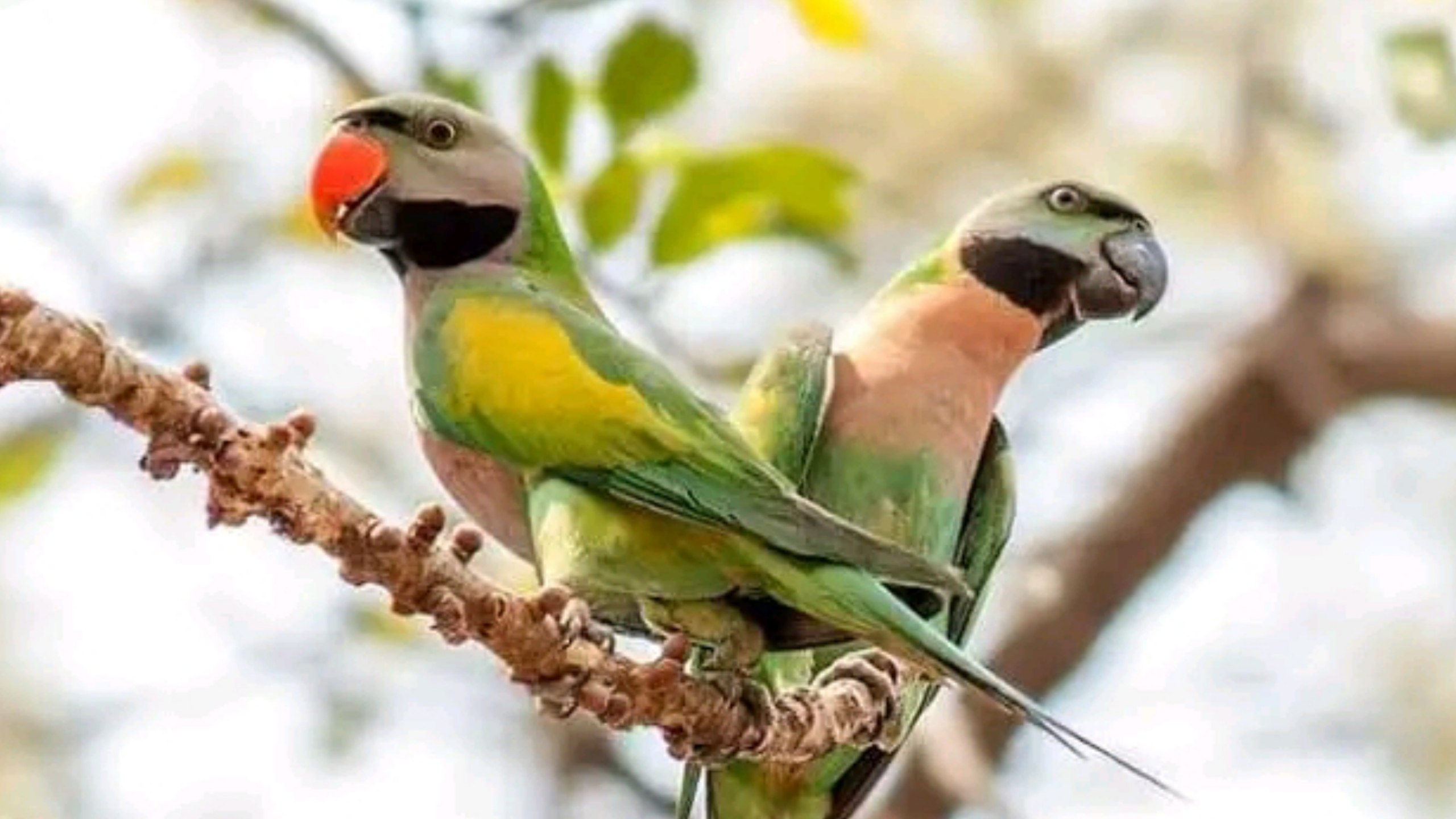
Every winter, hundreds of thousands of birds fly into Bangladesh’s wetlands to escape the cold further north. Poachers are waiting for many of them.
A Country On A Major Flyway
More than 700 bird species live in or pass through Bangladesh, and nearly half of them are migratory, arriving from as far away as Mongolia, China, and Russia during the northern winter. Tanguar Haor, a wetland in the country’s northeast, is one of their biggest stopovers. Between 2008 and 2015, it accounted for nearly half of the more than 1.2 million waterbirds recorded across the entire country. The site was declared a Ramsar wetland of international importance in 2000. Its only counterpart in Bangladesh is the Sundarbans, the world’s largest mangrove forest, sitting at the mouth of the Bay of Bengal.
Where The Hunting Happens
Researchers who studied a decade of hunting reports found that poaching consistently clusters around wetland habitats, particularly Tanguar Haor, Hakaluki Haor, and Hail Haor in the Sylhet region. All three are internationally recognised Important Bird Areas. Herons, egrets, bitterns, and night herons make up the largest share of birds hunted, most often caught using traps or nets. Most hunters cited a simple motive. Bird hunting offers easy seasonal income during the winter months, when other farm work slows down.
A Wetland Under Multiple Pressures
Tanguar Haor’s bird populations are not just threatened by hunters directly. The wetland is also dealing with resource depletion, habitat degradation, soil erosion, water pollution, and forest loss, all of which are shrinking the space birds have left. One study found the number of migratory birds visiting Bangladesh fell by roughly 600,000 over just two decades, between 1994 and 2014.
From The Wetlands To The Capital
The birds caught in these hotspots do not stay in the wetlands. Investigations have traced illegal wildlife, including hunted and trafficked birds, moving toward Dhaka’s markets, most notably the Katabon pet market. Conservationists have pointed to raids on markets like Katabon as one of the few visible enforcement actions the forest department carries out, even as the broader trade continues largely unchecked. Wildlife trade researchers describe Bangladesh’s illegal trade as running far deeper than these visible seizures suggest, extending beyond birds to species like turtles, gibbons, and other protected wildlife moving toward the capital through informal networks.
A Global Problem With Local Roots
Bangladesh’s position between India and Myanmar, two countries that themselves battle significant poaching, adds another layer to the problem. Wildlife trade ranks as the fourth largest illegal activity in the world, and Bangladesh has increasingly been flagged as a hotspot within that trade. The consequences reached a formal turning point in 2024, when Bangladesh was suspended by CITES, the international convention regulating wildlife trade, over its failure to curb illegal bird trafficking.
Discover More Stories Worth Your Time
Explore Why Dengue Cases Rising?
Discover what is driving Bangladesh’s latest dengue surge and the health concerns emerging nationwide.
Check How Sylhet Border Watch Improves?
Explore how the new facility strengthens Bangladesh’s border surveillance and drone capabilities.
See Why Rising Seas Threaten Dhaka?
Discover why the UN warns millions across Mumbai, Kolkata, and Dhaka face immediate coastal risks.
Find Why Trump Praised Tarique?
Explore what the US president’s letter says about the Boeing aircraft deal.
Learn How Adani Supply Returns?
Discover how Bangladesh’s payment settlement helped restore full electricity supply from the Godda plant.
What’s Being Done, And What Isn’t
The Bangladesh Forest Department set up a Wildlife Crime Control Unit back in 2013 to fight trafficking, and has since introduced tools like GIS-based tracking and a mobile app called CyberTracker to monitor activity in the Sundarbans and other forest areas. Officials describe these efforts as showing early success. But conservationists argue the coverage needs to expand nationwide, and that market monitoring in cities like Dhaka needs far more consistent enforcement than the occasional raid currently provides.
A Season That Keeps Repeating
Winter will bring the same birds back to Bangladesh’s wetlands again this year, and very likely, the same hunters waiting for them. Until enforcement matches the scale of the trade, from the haors of Sylhet to the market stalls of Dhaka, conservationists warn the country’s migratory bird populations will keep shrinking, one winter at a time.