
Mangoes and silk are associated with Rajshahi‘s name. A pioneering museum, rare manuscripts, and temple villages are all easily accessible from the city, which also boasts one of Bangladesh’s best cultural trails.
The Museum of Varendra Research
The Varendra Research Society gave rise to the museum, which was founded in 1910 by Sarat Kumar Ray, historian Akshay Kumar Maitreya, and scholar Ramaprasad Chanda. According to the Business Standard, it is Bangladesh’s first museum. Rajshahi University currently oversees it.
Coins and Manuscripts
About 6,500 antique coins and terracotta plaques are among the collection’s approximately 19,000 artefacts. Additionally, it contains about 5,000 puthi manuscripts, most of which are in Bangla, Prakrit, and Sanskrit. Among the rarest are two palm-leaf copies of the Astasahasrika Prajnaparamita, which date from between 1273 and 1300. 2,530 Sanskrit manuscripts have been located, according to Banglapedia.
A Museum With Restrictions: Space is limited. Just 15 texts and 1,427 artefacts are on display in 11 galleries. Visitors only get to glimpse a small portion of the collection because the majority is kept in storerooms.
The Temple Village, Puthia
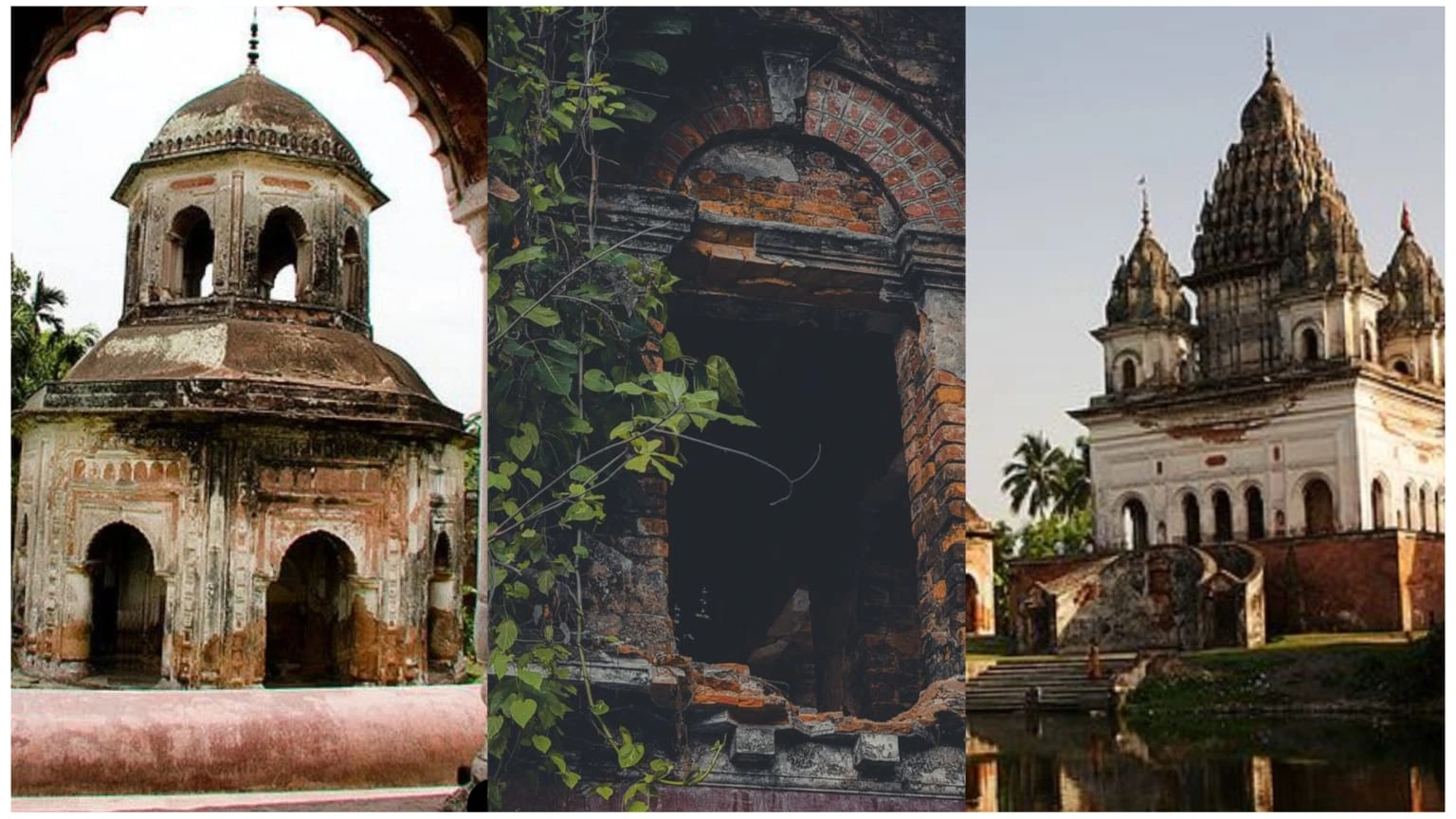
The Puthia Temple Complex, located about 23 kilometres east of Rajshahi, is home to the most ancient temples in Bangladesh. The intricate ceramic panels depicting scenes of Krishna and Radha are the hallmark of the Pancha Ratna Govinda Temple. Another place to visit is the 1778-built Dol Govinda Temple.
The Bagha Mosque
Sultan Nasiruddin Nasrat Shah constructed Bagha Mosque, some 40 kilometres outside the city, in 1523. It is regarded by tour companies as one of Bangladesh’s best terracotta mosques.
Organising a Visit: The typical travel season is October through March. One day, a lot of people visit the city’s museum, and the next day, they visit Puthia and Bagha. Before visiting, confirm the museum’s opening hours since they are subject to change. It was closed on Thursdays and Fridays, according to an earlier source.
Mango season has its own charm, and silk workshops are a simple addition. Nevertheless, Rajshahi is unique because of its museums, manuscripts, and ancient temples.
Discover Rajshahi Durga Puja, Silk Sarees and Tourism
1. How much rice was allocated to Durga Puja mandaps in Rajshahi?
Rajshahi received 289 tonnes of rice for distribution among 489 Durga Puja mandaps to support the festival celebrations. Read more about the rice allocation for 489 Durga Puja mandaps in Rajshahi.
2. Why is Rajshahi famous for silk sarees?
Rajshahi is renowned for its silk industry, traditional weaving techniques and sarees that reflect Bangladesh’s rich textile heritage. Discover where to find authentic products in our guide to buying Rajshahi silk sarees online.
3. Where can visitors buy authentic Rajshahi silk sarees online?
Buyers can explore online stores and sellers specialising in Bangladeshi silk products, while checking fabric details, seller credibility and product authenticity before purchasing. Read our guide to buying authentic Bangladeshi Rajshahi silk sarees online.
4. What are the main attractions to explore in Rajshahi?
Rajshahi offers visitors opportunities to explore historic temples, cultural landmarks, traditional silk craftsmanship and the city’s distinctive heritage. Plan your visit with our guide to Rajshahi, the city of silk and temples.
5. Why should tourists visit Rajshahi during Durga Puja?
Durga Puja offers an opportunity to experience local religious traditions, festive decorations and community celebrations in Rajshahi. Visitors can also explore the city’s temples and discover its famous silk products. Learn more about Rajshahi’s silk and temple heritage.