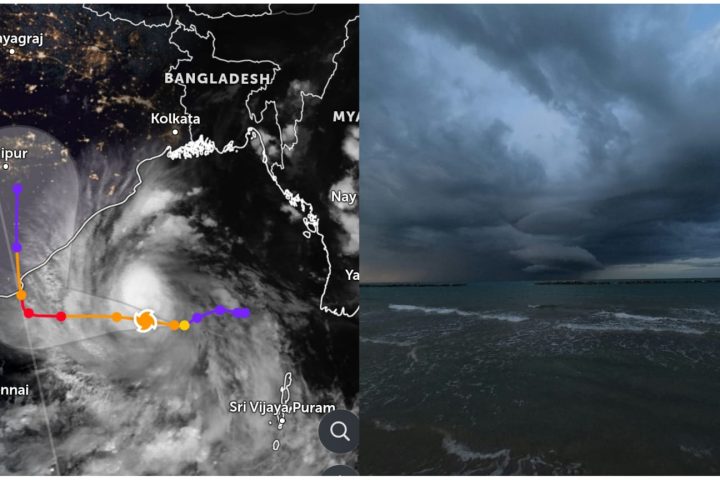

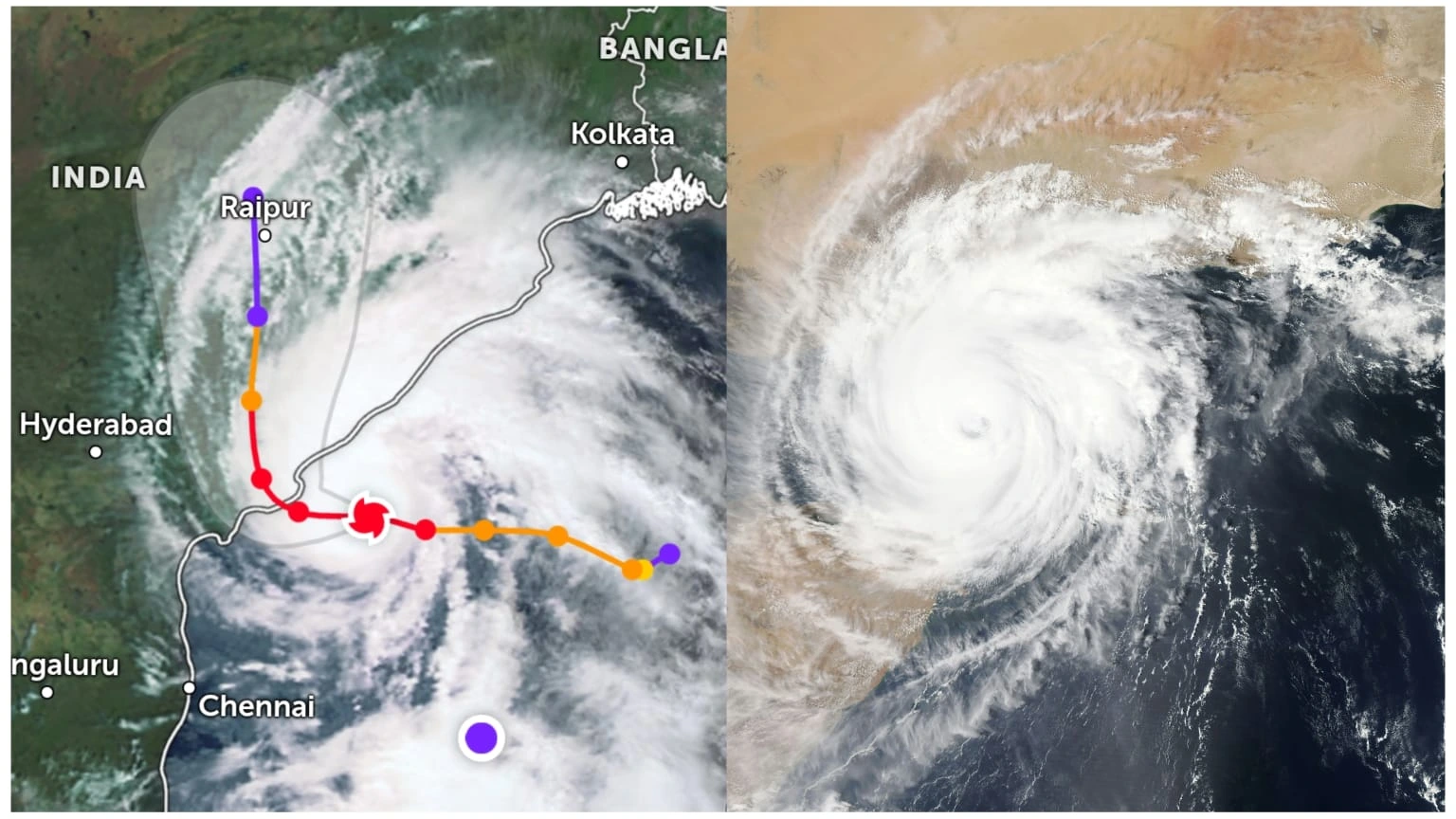
Cyclone Arnab is not moving toward Bangladesh. The storm has intensified into a very severe cyclonic storm and will move west-northwest to cross India’s Andhra Pradesh coast on Wednesday, the Bangladesh Meteorological Department (BMD) said, bdnews24 reported.
Where the storm is currently
At 3 am Tuesday, the storm was about 990 km southwest of Chattogram and 945 km southwest of Cox’s Bazar. It was situated about 865 km south of Mongla and Payra.
How strong it is
Winds near the centre are sustained at around 118 km/h, with gusts to 150 km/h. The sea is very rough around the centre.
Highlights of the storm at a glance
- October 24, 2026: A well-marked low-pressure area forms over the east-central Bay of Bengal
- October 26, 2026: The system intensifies into Cyclone Arnab
- October 27, 2026: Arnab becomes a very severe cyclonic storm
- October 28, 2026: Landfall expected on the Andhra Pradesh coast
Bangladesh Port Warnings Alert
BMD advised Chattogram, Cox’s Bazar, Mongla and Payra ports to keep Local Cautionary Signal No. 3 hoisted. The fishing boats and trawlers in the North Bay have been advised to stay close to the coast.
What to Look for in Bangladesh
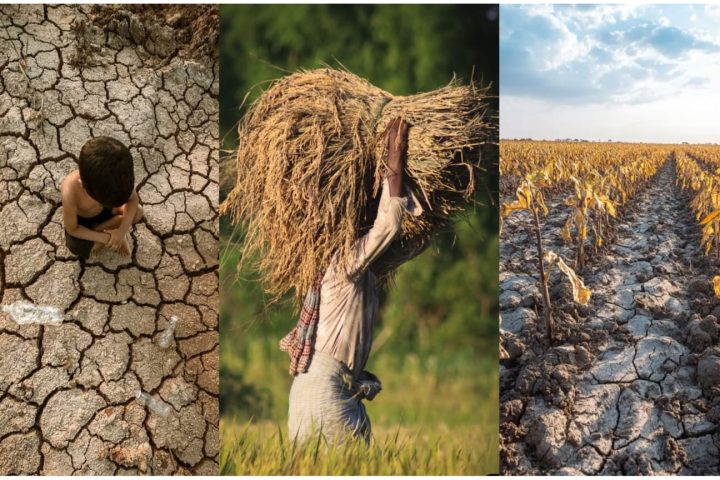
Meteorologist Abdul Hamid Mia of the BMD said the cyclone was unlikely to have any major impact. Light rain is possible along the coast; heavy rain is unlikely. Light rain is also likely to occur in Dhaka and Rajshahi divisions after its landfall. A previous BMD bulletin had warned that early rains associated with a cyclone could damage winter crops such as potatoes and onions.
Forecast Track After Landfall: Model guidance is in agreement on a westward track over the Bay with a sharp turn to the north, Zoom Earth says. The storm is forecast to quickly weaken over land and dissipate in about three days.
Why Monitoring Still Counts for Coastal Areas
Cyclone tracks can change, and the northern Bay is still dangerous for fishermen. People in the coastal region of Bangladesh are advised to monitor the BMD bulletins.
Discover the Latest Weather Forecast with Bangla Pulse
1. What is the latest Bay of Bengal weather disturbance being tracked by BMD and IMD?
The Bangladesh Meteorological Department and India Meteorological Department monitor weather disturbances over the Bay of Bengal to assess potential risks to Bangladesh. Read more in our report on the Bay of Bengal disturbance tracked by BMD and IMD.
2. What is Bangladesh’s cyclone forecast for 2026?
Bangladesh faces seasonal cyclone risks, particularly during the pre-monsoon and post-monsoon periods. Explore our report on the Bangladesh cyclone forecast for 2026.
3. How has Bangladesh reduced cyclone-related deaths?
Bangladesh has improved cyclone preparedness through early-warning systems, evacuation programmes, cyclone shelters and community awareness. Learn more about how Bangladesh has reduced cyclone deaths.
4. How does Sagar Manthan help with cyclone tracking?
Cyclone monitoring relies on meteorological observations and forecasting systems to assess storm development and movement. Read our report on Sagar Manthan and cyclone tracking.
5. How did the 1942 Bengal cyclone contribute to the famine crisis?
The 1942 Bengal cyclone damaged crops and agricultural livelihoods, contributing to the wider food crisis that preceded the Bengal famine of 1943. Discover more in our article on the 1942 Bengal cyclone and its role in the famine crisis.