
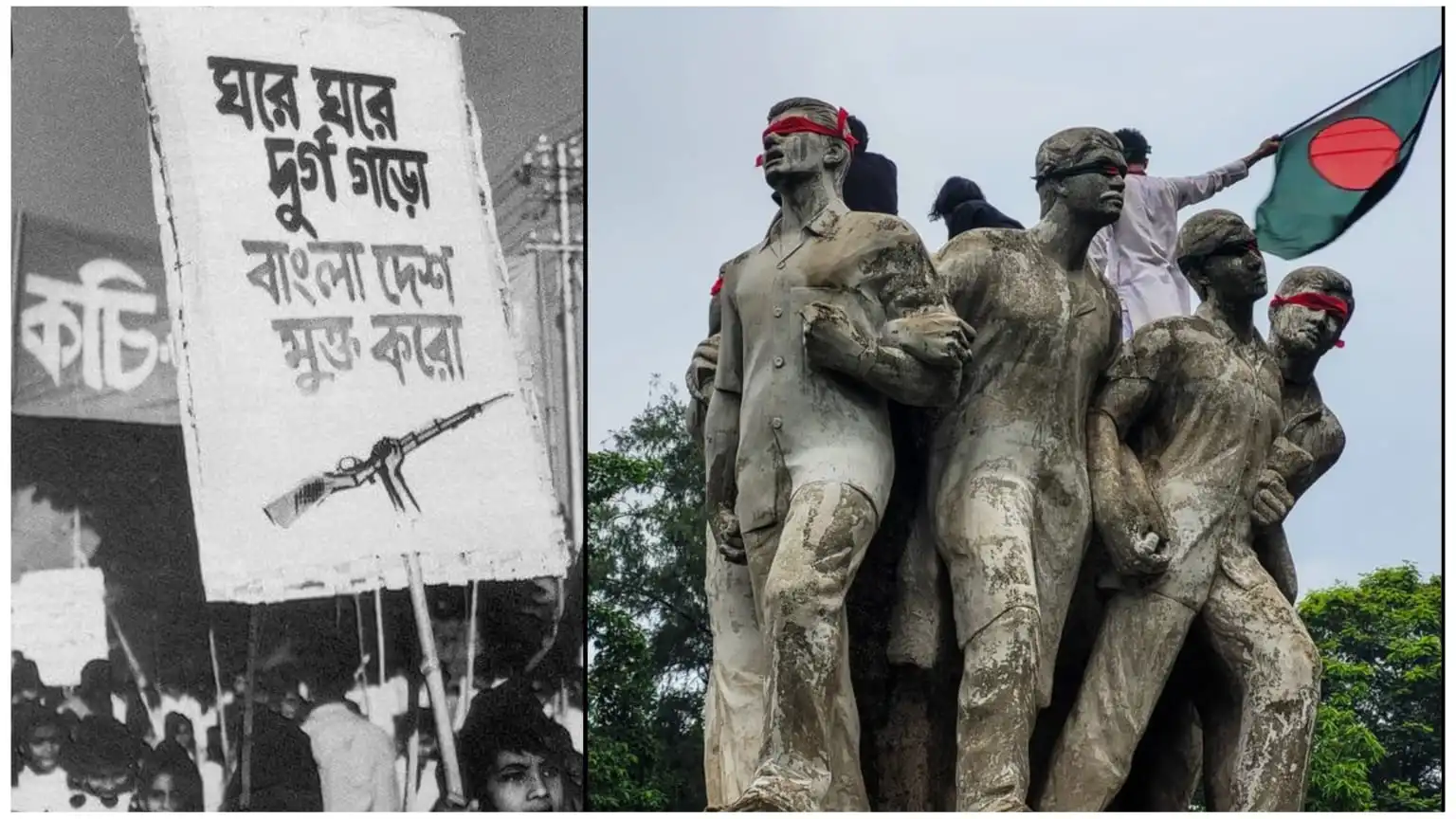
In 1971 a new country fought for its name during the 1971 Liberation War. This war lasted around 9 months and caused great change to the map of South Asia. This war started off as a political issue within Pakistan but eventually lead to the creation of Bangladesh. Knowing the events of the war will help you understand why 26th March and 16th December are so important to millions of people.
Timeline Of Key Events During The 1971 Liberation War
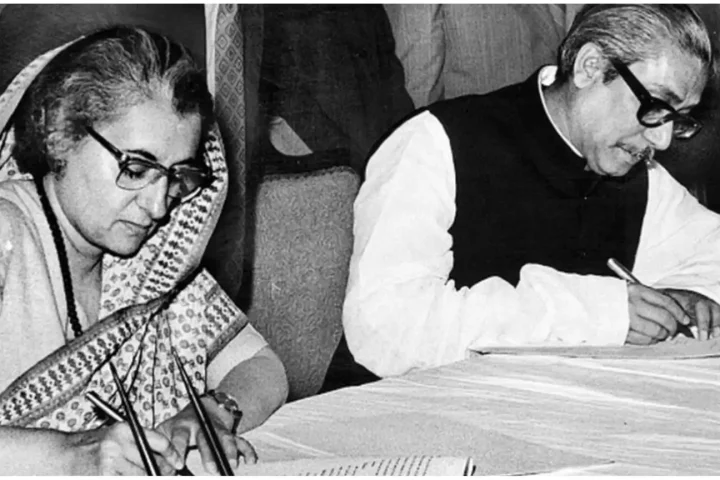
For many years there had been tensions between West and East Pakistan due to issues with language, power and money. In December 1970, the Awami League led by Sheikh Mujibur Rahman had gained a clear majority in the national elections but power wasn’t handed over. Talks failed and on the 7th March 1971 Mujib gave an iconic speech in Dhaka asking people to be prepared to fight for their freedom.
On the 25th March Operation Searchlight happened. The army attacked to stop the movement. A short time after independence was declared on the 26th March. A government in exile was sworn in at Mujibnagar in April. Around 10 million people fled to India as refugees. Later in December India got involved with the war. The Pakistani army surrendered in Dhaka on the 16th December which is now known as Victory Day.
Who Was Involved And What Happened
Many people fought against the oppression by creating the Mukti Bahini. This was made up of soldiers, students, farmers and regular villagers. Many of these people had very little training and used their local knowledge and support from their communities. Many writers, musicians and radio presenters had a large role in keeping people hopeful.
There was a huge loss of life during the war. Officially Bangladesh state 3 million people died. However independent researchers have found much smaller numbers. Whatever the actual number it is agreed there was a huge amount of suffering.
Today you can see the impact of the war in many ways:
•National holidays on the 26th March and 16th December
•Liberation War Museum in Dhaka
•A new constitution in 1972
•International Crimes Tribunal have tried crimes committed during the war since 2010
•Stories are told in schools and in families.
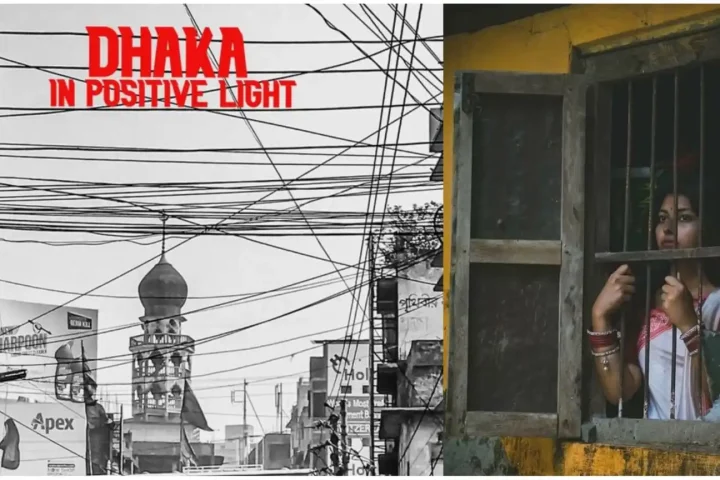
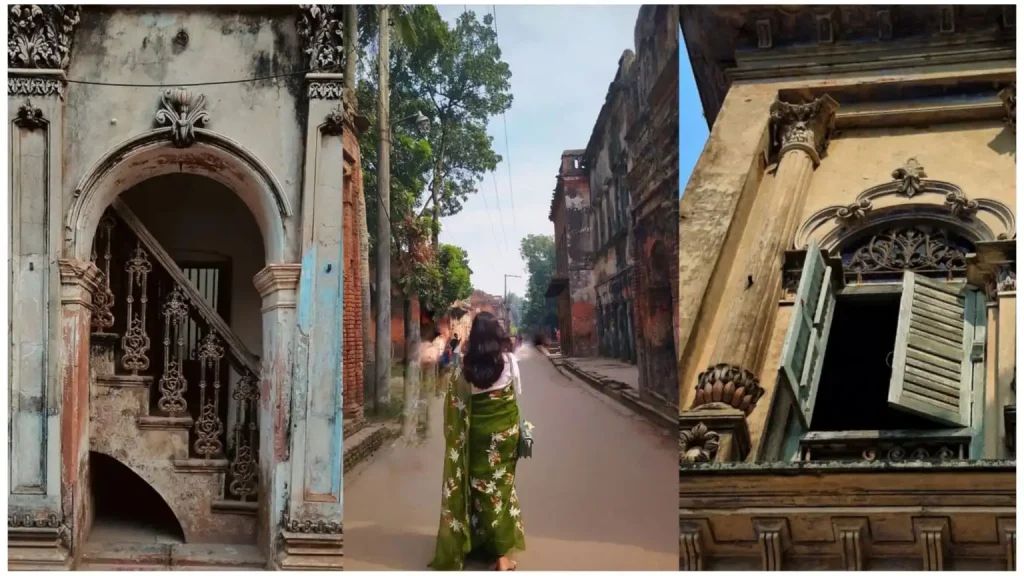
If you visit Dhaka you can gain lots of information by visiting the museum and chatting to local guides.