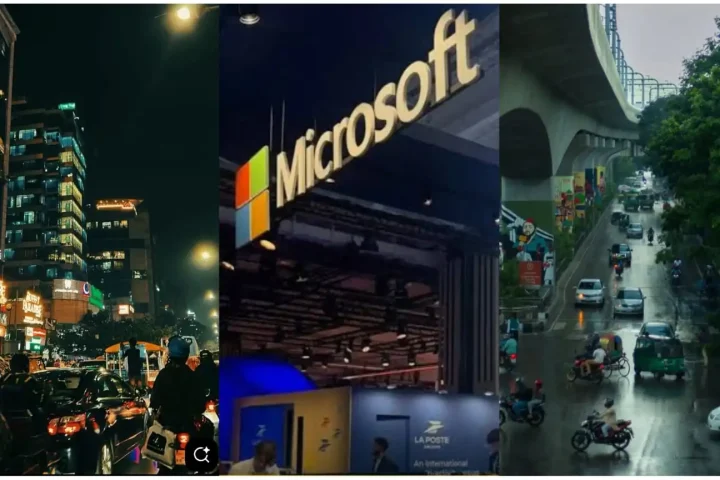

Dhaka is a busy city! Within a few blocks, you will walk past centuries old mosques, colonial buildings and glass skyscrapers. It may seem like a lot to take in, but the history of Dhaka actually has an amazing history as it went from a small trade town to the Mughal capital of the province and now a bustling megacity!
Dhaka Becomes Mughal Capital
The first step in Dhaaka becoming a great city was when the Mughal Governor Islam Khan declared it the capital of Bengal in 1610. Dhaka was located next to the Buriganga River meaning it was perfect for trading and transporting soldiers and goods. It was renamed Jahangirnagar for a short period of time to honour this Emperor.
Dhaka quickly became a rich city, famous for its high quality muslin fabric. The fabric was so thin, people joked it looked like it had been made from air. Mosques, markets and forts were built. One of the forts built was Lalbagh Fort, started in 1678 but never completed.
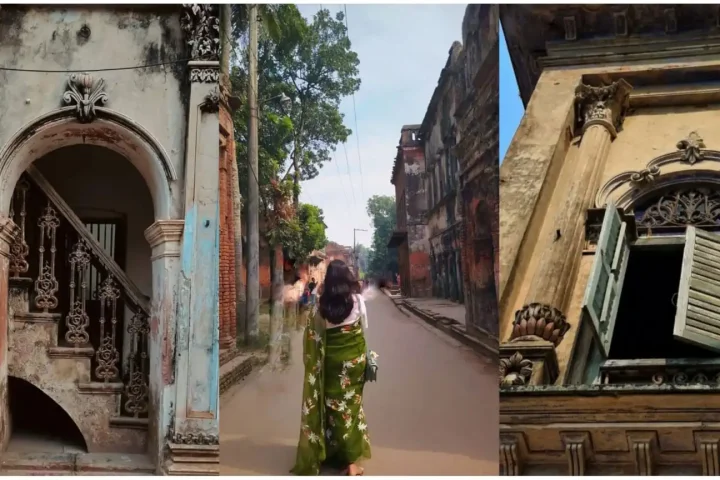
However, in 1717 Dhaka no longer became the capital and was moved to Murshidabad. Dhaka declined over time. In the 1700s, Dhaka became controlled by the British company. However, the Nawab family of Dhaka built some amazing landmarks including the pink palace Ahsan Manzil.
Dhaka Becomes a Megacity
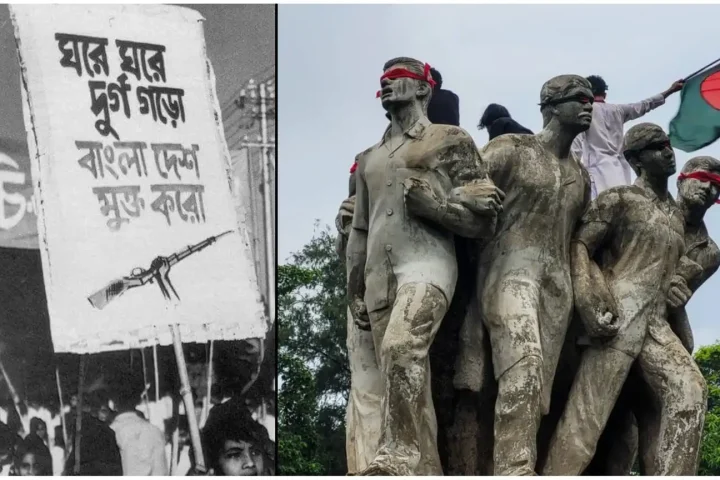
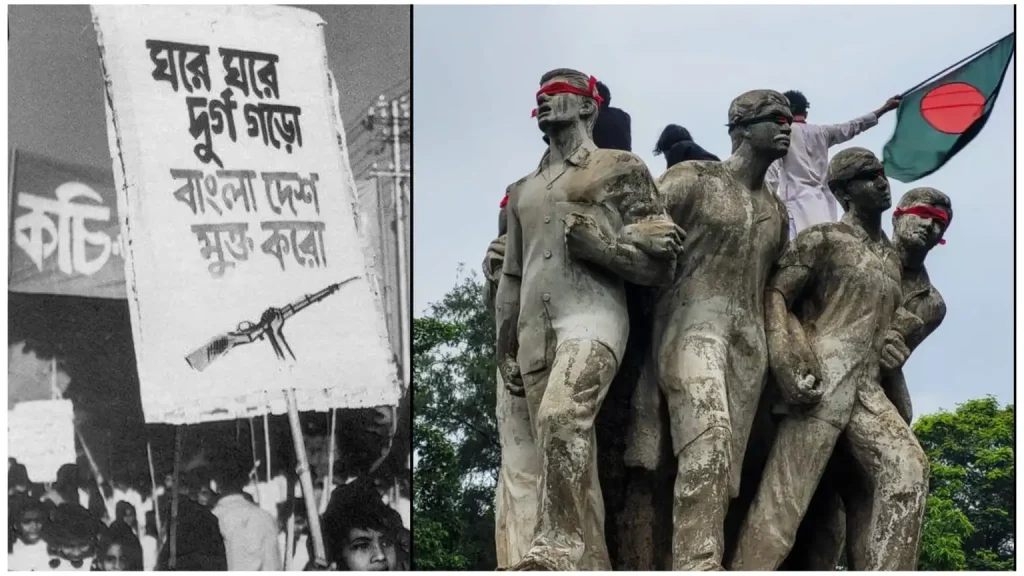
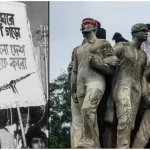
In 1905 Dhaka briefly became the capital of a new province. Since 1947, it has become the capital of East Pakistan. The Language Movement occurred in 1952 which is celebrated every February by the Shaheed Minar. In 1971, Dhaka became the capital of Bangladesh following independence.
Since then, Dhaka has grown rapidly. Garment factories provided jobs and opportunity for millions of people to move from their village. Now there are over 20 million people living in the metropolitan area. This has caused problems with traffic, housing and flooding.
Despite this, Dhaka is constantly evolving. The Dhaka Metro Rail opened in 2022 and has helped reduce travelling times across part of the city. Ride hailing, paying bills and food delivery apps have become a normal part of life using mobile apps. Even in the older areas of the city.
As there are so many old and new aspects to this city, it is worth knowing about!