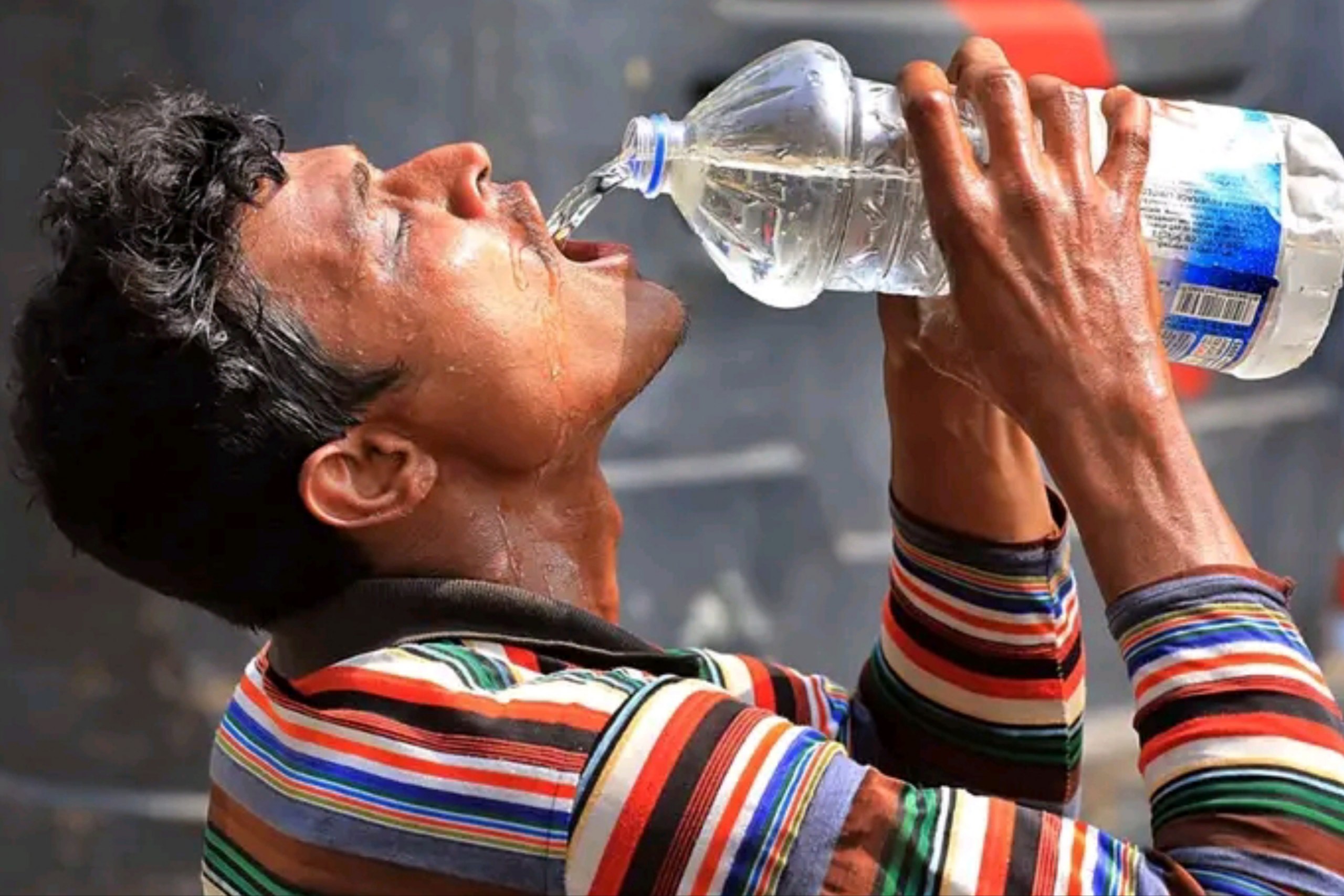
Jaishtha, the second month of the Bengali calendar, has long been associated with torrid heat in Bangladesh. But the season of 2026 has delivered something far more alarming than the usual summer discomfort. Temperatures in many districts across the country have soared above 40 °C, and heat index values are making it feel even hotter. Meteorologists say this is becoming one of the most extreme heat events Bangladesh has seen in decades.
Why Is It So Hot This Year?
The 2026 heatwave is the result of a combination of factors, climate scientists say. “A persistent high-pressure system over the Bay of Bengal has kept away normal pre-monsoon showers, while global warming is pushing baseline temperatures higher every year. Urban centres such as Dhaka are further victim to the heat island effect – concrete, traffic, and lack of green cover trap heat well into the night, leaving residents with little relief even after sundown.
Who’s Most at Risk?
Those most at risk are the elderly, small children, outdoor workers and people with chronic illnesses such as diabetes or heart disease. Rickshaw pullers, farmers, construction workers and street vendors who have no option but to work under the open sky are most susceptible to heat exhaustion and heatstroke.
Staying Safe During the Heatwave
Simple, consistent habits are the secret to staying safe in extreme heat. Even if you don’t feel thirsty, drink water often, at least 8 to 10 glasses a day. Stay indoors from 11 a.m. to 4 p.m. when the sun is hottest. Wear loose-fitting clothes in a light colour, made of cotton, to allow your body to breathe. Cool down with a wet cloth or fan, and find shade or an air-conditioned space when you can.
Eat light meals with fruits and vegetables that contain water, such as watermelon, cucumber and raw mango. Eat light and non-oily foods. Cut down on tea and coffee as caffeine causes dehydration. Oral saline is your best friend – keep it at home and use it if you feel dizzy or tired.
Learn the Warning Signs
Heatstroke is a medical emergency. Be alert for symptoms such as a very high body temperature (above 40°C), confusion, dry skin without sweating, a fast heartbeat and loss of consciousness. If you see these signs, get the person to a cool place as soon as possible, cool their body with water, and get medical help immediately.
Discover More Stories Worth Your Time
Explore How Farmers Get Subsidies?
Discover how the new Farmers’ Card delivers fertiliser, seed, and pesticide support directly at dealer shops.
Check Who Qualifies For Allowance?
Explore eligibility rules and application steps for the new Tk 2,500 family support scheme.
Find Which Learning Plan Fits?
Discover what you get with Shikho, 10 Minute School, and Interactive Cares subscriptions.
See Which Phones Offer Discounts?
Explore the best mobile deals available across local markets and online stores.
Learn Where To Donate Digitally?
Discover which organisations accept bKash and Nagad donations and their key benefits.
Community Accountability
Safety is not just an individual effort. Help elderly neighbours, give water to street workers, and raise awareness in your locality. Local government bodies and NGOs are also encouraged to open cooling centres in schools and community halls for those without access to fans or air conditioning.
The heatwave will break — the monsoon rains are expected to bring relief by mid-June. Bangladesh must unite to shield its most vulnerable until then. Stay cool, stay hydrated and look out for each other.
Summary
Bangladesh experiences one of the worst heatwaves as the month of Jaishtha starts in 2026. Health officials have advised people to take precautionary measures in view of the high temperatures in Dhaka, Rajshahi, Khulna and elsewhere. This article discusses the causes of the extreme heat, who is most vulnerable and practical measures that each Bangladeshi family can take to stay safe.