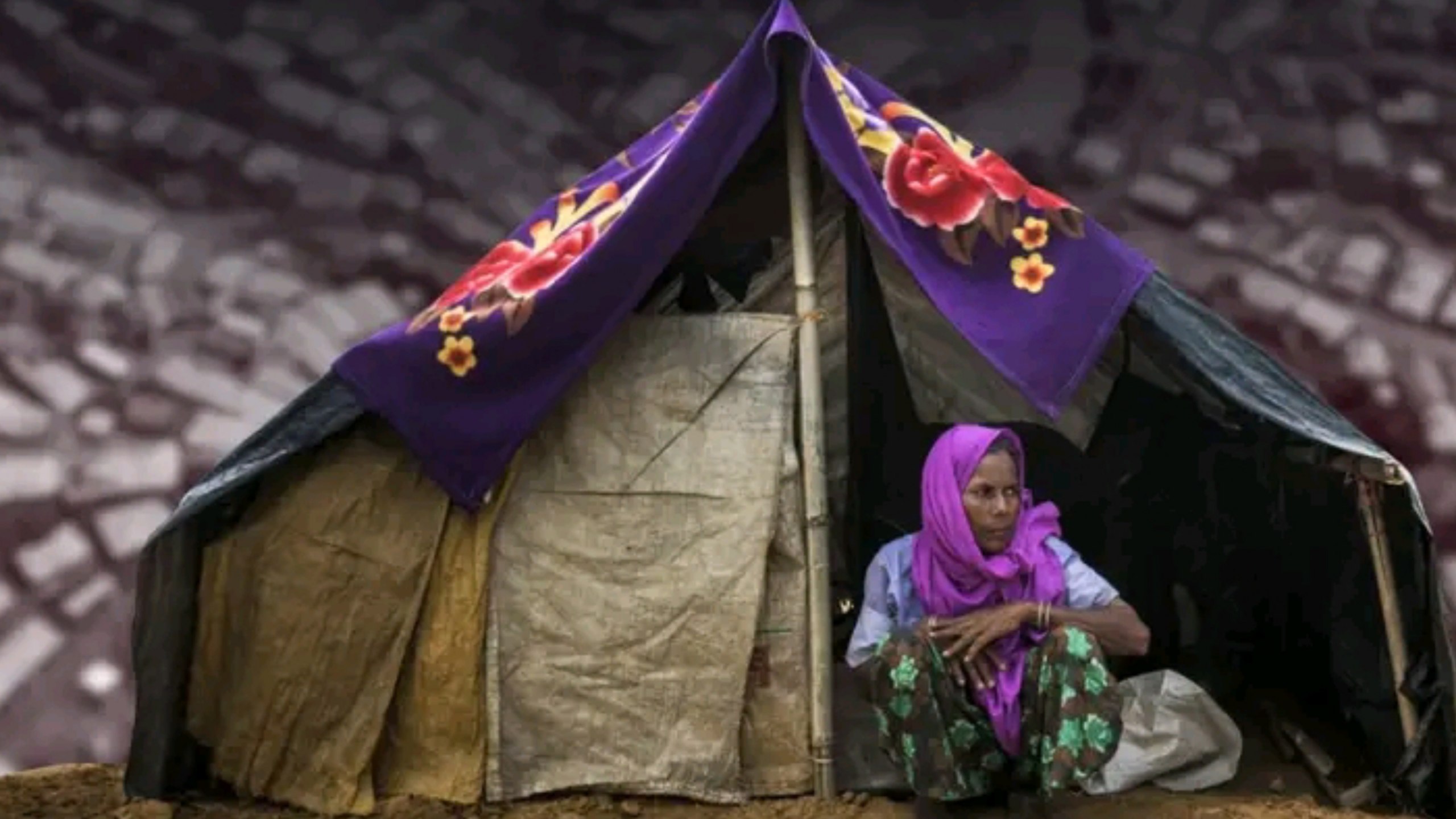
Nine years to the day since Myanmar’s military launched a brutal crackdown that forced more than 700,000 Rohingya across the border, not a single large-scale repatriation has taken place, leaving over 1.2 million refugees in Bangladesh with no clear way home.
Nine years waiting
The 2017 exodus turned Ukhiya and Teknaf in Cox’s Bazar into the world’s largest refugee settlement, now spread across 32 camps. The population has continued to grow, with 154,690 new arrivals registered just between December 2024 and July 2026 alone, as fresh violence in Rakhine continues to push people across the border.
Where the Repatriation Talks Are
Of the 828,824 Rohingya individuals whose information was submitted by Bangladesh, Myanmar has verified 426,545 individuals and recognised 308,797 as former Rakhine residents. Myanmar’s military-backed government said this month it would accept their return but only when security conditions improve, without providing a timetable. A 2018 deal to repatriate refugees fell apart after the 2021 military takeover and subsequent fighting between the army and the Arakan Army, which now controls much of Rakhine.
Discover More Stories Worth Your Time
Explore Why Colombia Declared Emergency?
Discover what the powerful earthquake means for Colombia and the latest emergency response.
Check Why Jaya’s Sarees Trend?
Discover why Jaya Ahsan’s elegant saree looks continue captivating fans online.
See Where Hasina’s Crisis Leads?
Explore the accountability debate surrounding Hasina, India, and Bangladesh’s political future.
Find Which Airport Hotels Fit?
Discover convenient hotels near Dhaka Airport for short layovers and overnight stays.
Why Refugees Remain Suspicious
Rohingya representatives say their core demands remain the same: security guarantees, recognition of their citizenship, freedom of movement and the right to return to their original communities. Many fear that without such guarantees, repatriation could expose them to renewed persecution. This fear has been driving growing numbers to make risky sea crossings to Malaysia and Indonesia instead.
The Toll on Bangladesh
Bangladesh has been hosting around 1.2 million refugees for almost a decade, putting a strain on its forests, biodiversity, public services and local labour market in Cox’s Bazar. Dhaka has renewed calls at the UN for an early repatriation, while recently forming a national committee to coordinate a more comprehensive return strategy, even as it acknowledges that a lasting solution ultimately rests on political change inside Myanmar.
Security breakthroughs remain elusive in Rakhine, and verification exercises are inching along, suggesting Bangladesh will continue to manage the crisis rather than resolve it as more than a million Rohingya mark another anniversary in exile.
Summary: August 25 is nine years since the 2017 military crackdown drove hundreds of thousands of Rohingya to Bangladesh, and repatriation remains as distant as ever. With no timetable for return from Myanmar and the number of refugees growing, Dhaka faces mounting pressure to revisit its position on a seemingly never-ending crisis.