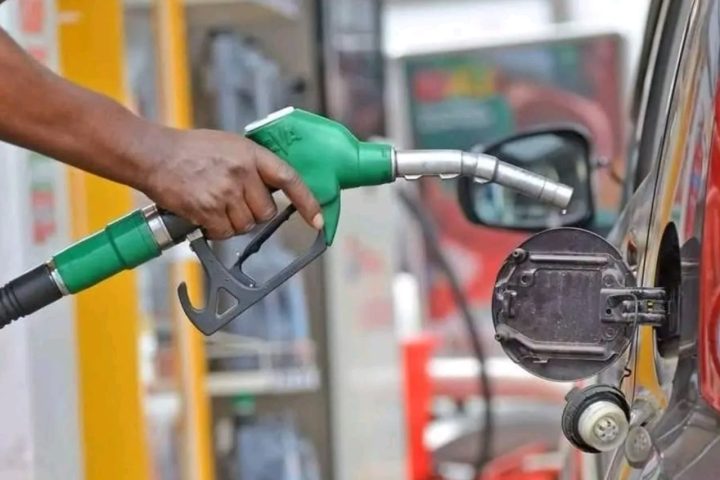
In Bangladesh, whenever fuel prices change, it hardly stays within the petrol pump. It affectsrickshaw fares, bus tickets, vegetable prices and even your electricity bill. That’s because fuel is at the heart of almost everything that moves in this country, from trucks hauling stuff to irrigation pumps watering farmland.
As of August 2026, the government has not changed fuel prices. Diesel will be sold at Tk115 per litre, petrol at Tk140, octane at Tk145 and kerosene at Tk135. Bangladesh’s automatic fuel pricing mechanism, which takes into account global oil markets, exchange rates and import costs, kept rates unchanged over the summer after they were last changed in May.
Why diesel is the king
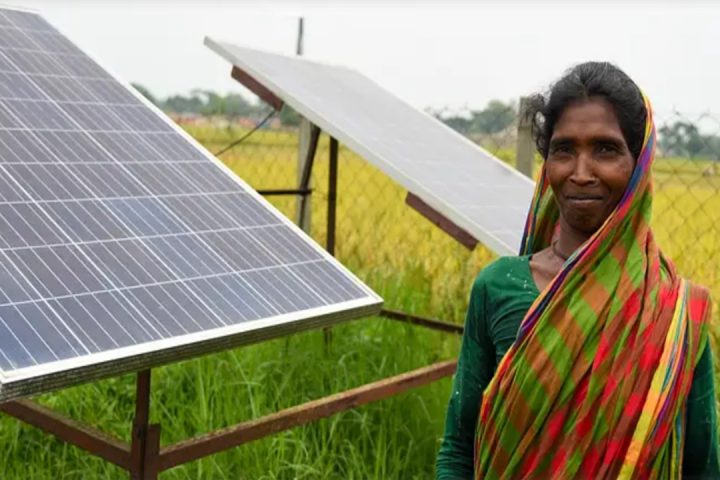
Diesel may not be as glamorous as petrol, but it is more important to our daily lives. It fuels the buses, and the trucks, and the irrigation pumps that farmers rely on in the dry season. When diesel prices go up, the cost of transport goes up almost immediately and that rise eventually shows up in the price of rice, vegetables and other essentials in your local bazaar.
How Rising Prices Affect the Economy
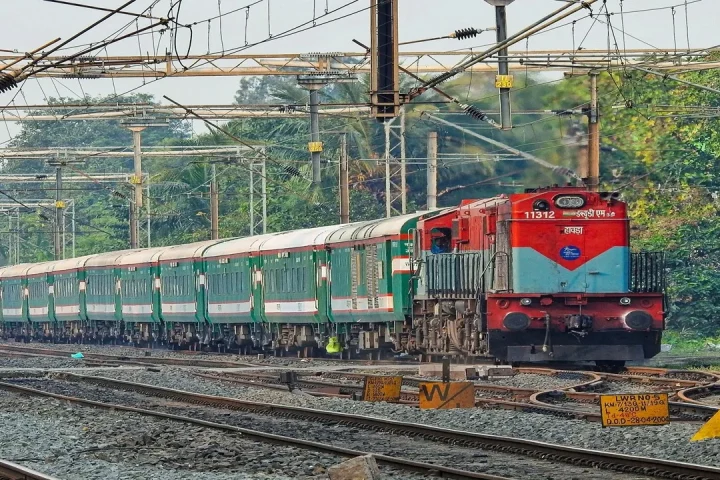
Fuel price hikes tend not to stay contained. Higher diesel prices mean higher transport costs to move goods from farms to markets. The daily commuter pays more for his commute as higher petrol prices increase the cost of running private vehicles and CNG-run auto-rickshaws. Not even industries that depend on diesel generators during load shedding are spared the pain, and those costs are usually passed on to consumers in the form of higher prices for manufactured goods.
Discover More Stories Worth Your Time
Explore How To Buy Match Tickets?
Discover the easiest steps to secure cricket match tickets in Bangladesh.
Check Where Monsoon Travel Works?
Explore the best places to visit and areas to avoid during Bangladesh’s rainy season.
See Why India Visit Uncertain?
Discover how the Hasina extradition and Hadi murder case could affect Tarique Rahman’s India trip.
Find What Story Comes Next?
Explore what Tanim Noor may bring after Utsab and Bonolota Express.
The Automatic Pricing System
In 2024, Bangladesh adopted an automatic fuel pricing mechanism to replace the previous system whereby the government used to set prices via occasional executive orders. Under this system, prices are reviewed from time to time in accordance with international market trends. This implies more gradual, incremental changes for Bangladeshis rather than big, sudden jumps, although global factors such as conflicts or supply shocks can still cause sharp spikes, such as the April 2026 spike due to disruptions related to the Iran war.
What this means for the average home
For a typical Bangladeshi family, fuel prices are not just about filling up a motorbike or a car. They determine the price of a bus ride to work, the cost of fresh vegetables bought every morning, and even electricity bills when diesel generators are used to fill power gaps. The diesel pump farmers are feeling it right at planting time and at harvest time.
Understanding why fuel prices matter can help you understand broader price trends in the economy. Generally, when the price of diesel and petrol is not changing it offers some relief to households and businesses. As they rise, the effects spread, often before people even know the connection.
Summary: Bangladesh’s fuel prices touch nearly everything, from your daily commute to the price of rice at the market. As of August 2026, diesel sells at Tk115, petrol at Tk140, and octane at Tk145 per litre. Here is why these numbers matter to you.