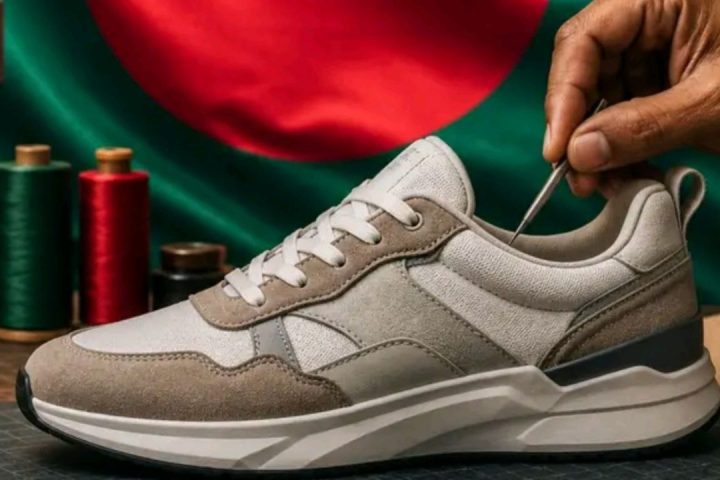
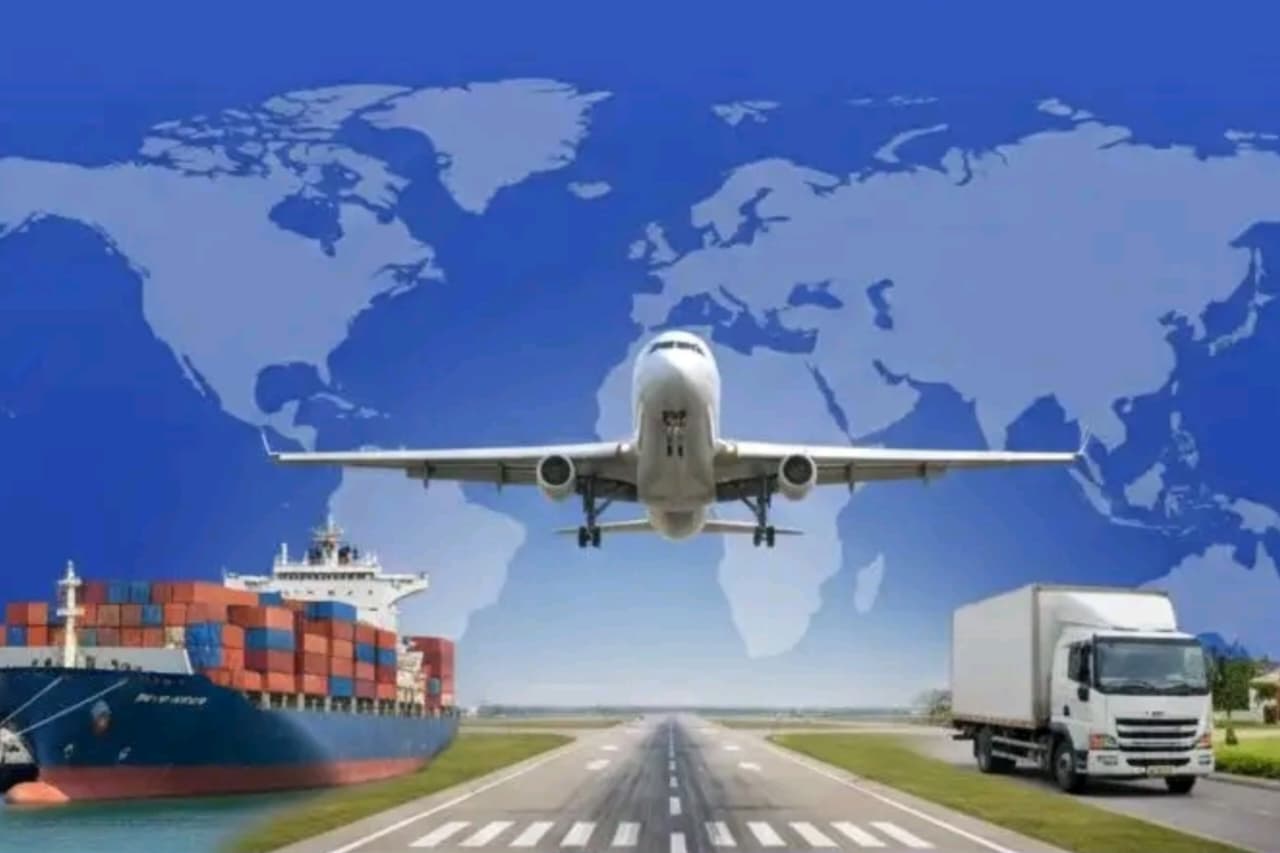
Bangladesh has a unique chance to grow its presence in the global garment trade because Turkey is becoming more dependent on imports of energy, raw materials, and industrial inputs. Bangladesh is in a good position to meet Turkey’s sourcing needs and enter European and Middle Eastern markets that Turkey has served in the past because it is good at making clothes cheaply and in large quantities.
Why Turkey’s Dependence on Imports Is Important
Turkey is becoming more and more dependent on imports for important areas like oilseeds, energy, fertilisers, and plastics. This makes it expensive to make things in factories and sensitive to changes in the exchange rate, which is hard for domestic manufacturers. The cost of making clothes in Turkey has gone up because of rising energy prices, tariffs on imported yarn and fabrics, and changes in the value of the Turkish lira. Because of this, clothes made in Turkey cost about 40% more than similar ones made in Bangladesh.
How Bangladesh Is Getting Ahead
Bangladesh is now Turkey’s biggest clothing supplier, having passed China. In 2024, exports rose by about 50% to more than $690 million, making up almost 18% of Turkey’s clothing import market. This change is part of a larger trend in which global brands source goods from a wider range of countries, including Bangladesh, Vietnam, India, and Turkey. Bangladesh’s lower labour costs and steadily improving quality are making Dhaka and Chittagong more and more popular places to place orders.
Why This Is a “Golden Window”
Turkey’s rising import dependence and internal cost pressures make it harder for the country to compete with Bangladeshi prices in Europe and the Middle East. At the same time, Turkish companies are bringing in more finished clothes from Bangladesh instead of making them in Turkey. This gives Bangladesh a chance to become a reliable “final-assembly” hub for fashion going to the West in the near future, especially as Turkish companies work to improve their profits.
Bangladesh’s Strategic Moves
Make trade between the two countries stronger: To make a connected regional supply chain corridor, send more ready-made clothes to Turkey and bring in Turkish machinery, chemicals, and technical textiles.
Use Turkey’s need for imports to market your business around the world: Position Bangladeshi-made goods as affordable but routed through Turkey so that they can be seen in Turkish-focused retail chains and distribution networks.
Strategically Target the EU and Middle East Markets
Focus on clothing categories where Bangladesh already excels and use its lower production costs and ability to make a lot of things to get orders that Turkey can no longer fulfil competitively.
Bangladesh can solidify its place in the global garment trade, strengthen partnerships in the region, and strategically increase its share in European and Middle Eastern markets by taking advantage of this “golden window.”
FAQs
Why is Turkey’s clothing industry becoming more reliant on imports?
Turkey has high energy costs, tariffs on imported yarn and fabrics, and currency fluctuations, which make it more expensive to make clothes there than to buy them from places like Bangladesh.
How does Bangladesh benefit from Turkey’s need to import goods?
Bangladesh has become Turkey’s biggest clothing supplier, sending $690 million worth of clothes to Turkey in 2024. This is because Bangladesh makes cheaper, higher-volume clothes that are slowly replacing Turkish-made clothes.
What can Bangladesh do to make the most of this chance?
Bangladesh can improve trade with Turkey, use Turkish distribution networks to get into EU markets, and focus on the clothing categories where it has the biggest cost advantage.
Read Also: Online LPG Cylinder Delivery in Bangladesh: The New Phase of Easy Gas Booking