A major change has begun in the streets of Dhaka, and if you are one of those who rely on your go-to fuchka stall or evening tea vendor, you may notice changes today. The city authorities have officially introduced a new hawker management system under the Dhaka City Hawker Management Policy 2026, and it’s no longer about clearing footpaths.
According to the BSS News report, the digital ID cards are being issued by the Dhaka South City Corporation (DSCC) as part of the new Dhaka City Hawker Management Policy 2026.
To receive an ID card and to participate in the rehabilitation program, vendors must complete a few processes before they can receive their ID card. They will follow the procedure below:
- Vendors must register with the Dhaka South City Corporation (DSCC) in order to receive their ID card and participate in the above rehabilitation programme; this process started by registering 100 vendors in the Gulistan area.
- Vendors will receive their ID cards during an official ceremony run by the DSCC (such as the recent ceremony at the Nagar Bhaban auditorium).
Vendors must comply with a number of conditions to maintain their ID and spot, including conducting business only in designated areas (for example, Link Road near Ramna Bhaban or specific lanes in Motijheel) and providing services at designated times.
IMPORTANT INFORMATION FOR VENDORS
- DAYTIME LOCATIONS: Gulistan Twin Tower Lane; Baitul Mukarram east gate Link Road; New Market south gate (1 side only); Shajahanpur Railway Colony field.
- EVENING VENDER (6:00 PM TO 10:00 PM): Motijheel (near the Islami Chamber) and the area behind Rajuk Bhaban.
If you want a card, you must go to the DSCC office to ask about when vendors in your area will be able to register.
Discover More Stories Worth Your Time
Check Why Airport Alerts Issued?
Explore why Dhaka and Sylhet flyers must arrive hours early amid tighter security.
See Why Storms Turn Deadly?
Discover what caused multiple deaths and why avoiding open spaces is critical today.
Explore Will Rooppur End Blackouts?
Discover whether the new nuclear plant can finally reduce load-shedding in major cities.
Find Which Areas Face Flood Risk?
Explore rising river levels and the latest advisory for Netrakona farmers.
Learn How Gond Katira Cools?
Discover how this summer drink helps prevent heatstroke and supports weight loss.
What’s Changing in the Streets?
The core of this move is the introduction of QR-coded “smart” ID cards for street vendors. These digital IDs aim to bring order to a system that has been informal in the past. All registered hawkers now have a unique QR code linked to their personal and business details, making it easier for the authorities to monitor who can sell – and where.
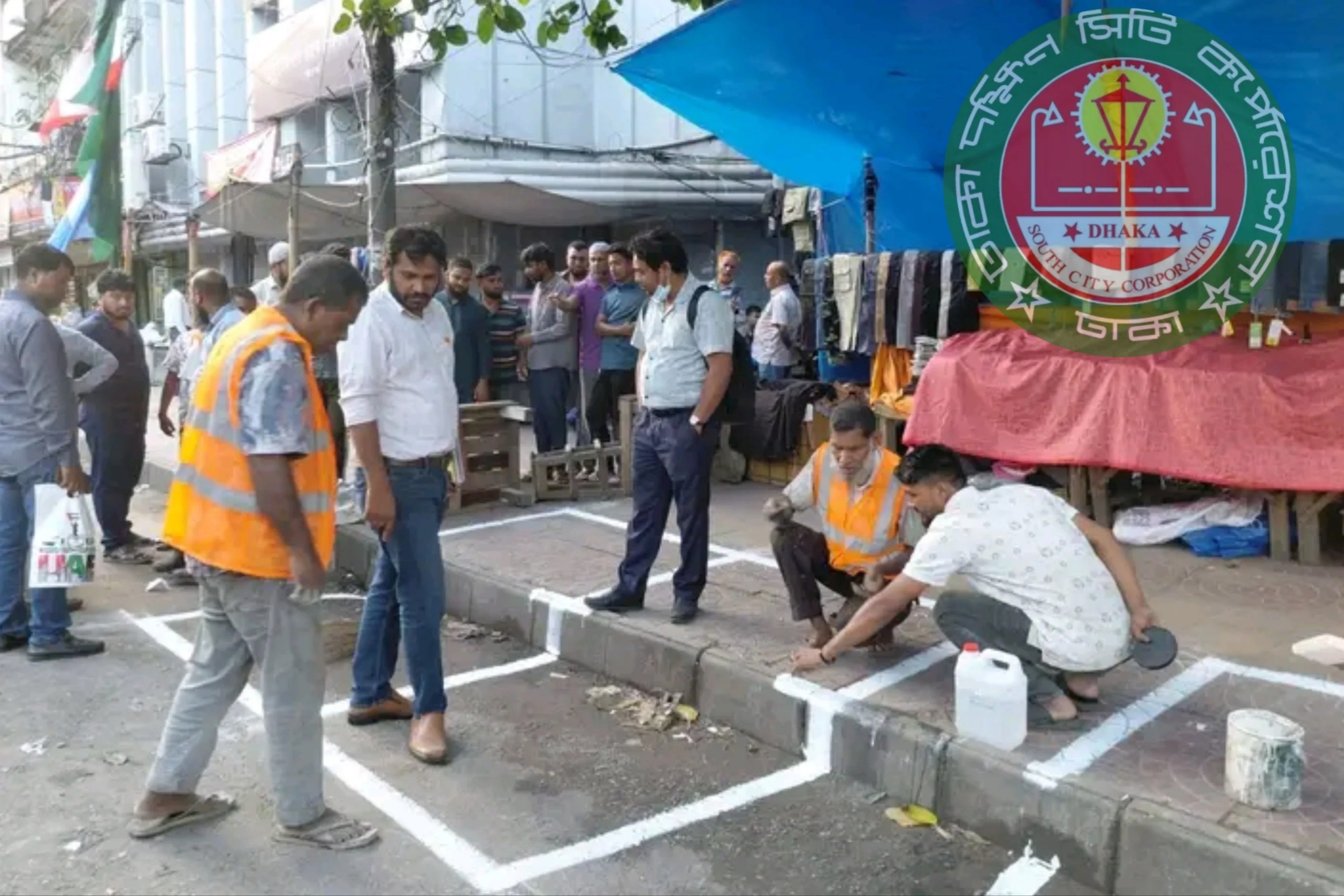
This is not an exercise in documentation. It is being brought in along with a mass-scale resettlement drive. Vendors used to work the busy footpaths and intersections, but are being moved into designated zones.
From Footpaths to Fixed Areas
This clearance drive also covers areas like Gulistan, New Market, Karwan Bazar and Mirpur Road, bustling with foot traffic and street food lovers. Hawkers are being relocated to nearby “fixed zones”, such as side roads and designated open spaces, instead of working right from congested footpaths. In some cases, vendors are clustered, creating more organised mini-markets instead of scattered stalls. For regular customers, that means your favourite vendor might not vanish, but he or she may not be exactly where you left them yesterday.
Will your favourite stall be moving?
Short answer: almost certainly, if it was on a well-trodden footpath. But the move is not to alienate vendors. Most would remain in the same general area, just moved a few meters, or blocks at most, into approved zones. So your favourite chaiwala or momo stall may still be around, just not on the main footpath.
Why It Matters for Daily Life
For city officials, the goal is simple: reduce congestion, improve pedestrian mobility and bring order to Dhaka’s often chaotic sidewalks. The experience may be mixed for you at first. On the one hand, cleaner footpaths and more structured food clusters may make street food exploration easier. But then again, you might miss the serendipitous interest of wandering into some obscure corner stand.
There is also a harder line being drawn – it may become more difficult for unregistered vendors to return, which may slowly change the diversity of street food options.