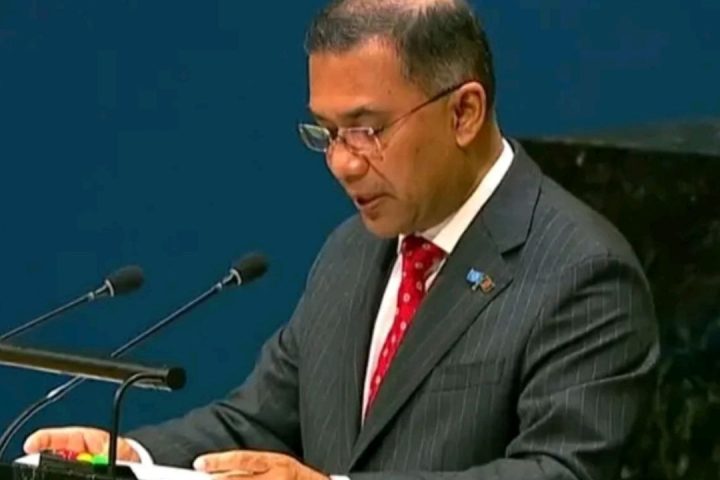
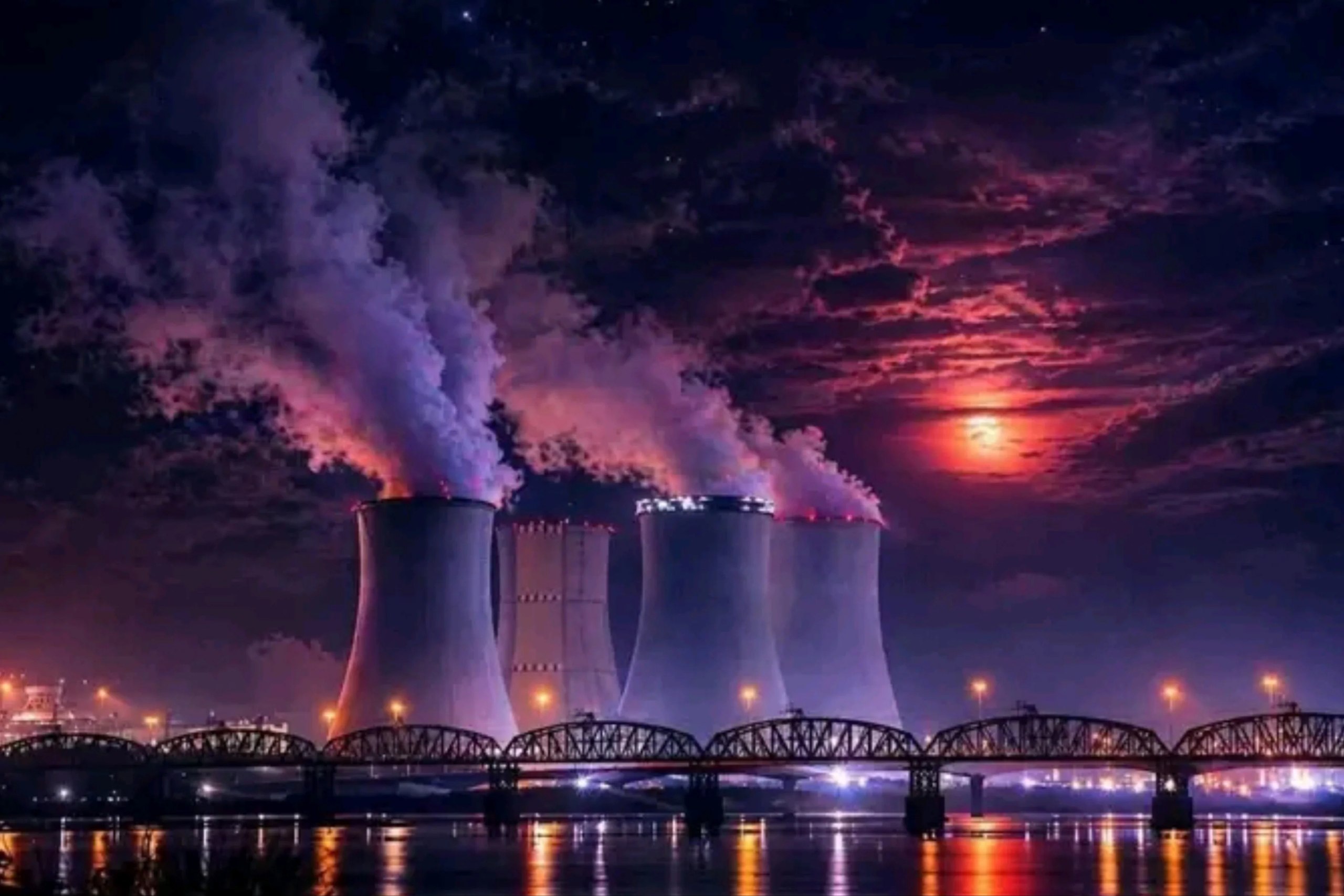
On April 27, 2026, Bangladesh officially reached a historic point in the Rooppur Nuclear Power Plant (RWPP) by loading nuclear fuel into the first unit of the plant, Rooppur, Pabna, Ishwardi, on the Padma River. The project was conceived over eight years ago and is the first nuclear energy venture for Bangladesh.
The successful fuel loading for the RWPP marks the beginning of the pre-commercial operation phase, taking Bangladesh one step closer to generating electricity through nuclear energy for the first time.
From Digging Foundation to Fuel Loading: An Extended Path
The Rooppur NPP project has a long history of development. Groundwork at the RWPP site began in 2013, followed by the first concrete pour for unit 1 in 2017. Unit 2 had its first concrete pour in 2018. The RWPP has been developed with Russian technological assistance; however, the plant has encountered weather and construction-related delays, as well as grid issues, resulting in a revised estimated operational date of 2024 to sometime in late 2026 or even 2027.
Although there have been many challenges, the loading of nuclear fuel represents a very important technical milestone for RWPP. It indicates that RWPP is progressing from construction to readiness for operation.
Discover More Stories Worth Your Time
Explore How Fuel App Saves Time?
Discover how bikers are skipping queues and getting priority refills faster today.
Check Why Power Cuts Lasting?
Explore what’s behind the 18-hour electricity crisis hitting areas like Araihazar.
Find How To Get Free Data?
Discover how to claim Banglalink’s 1GB outage support during network disruptions.
Learn How To Avoid Heatstroke?
Explore simple ways to stay safe during Bangladesh’s rising heatwave conditions.
See Which Areas Face Flood Risk?
Discover the latest advisory on cyclonic rainfall and regions at risk of flooding
Power Capacity and National Impact
The plant’s units together will eventually produce 2,400 megawatts (MW) of electricity (i.e. 1,200 MW each). It is anticipated that this would meet 12 – 15% of the electricity demand in Bangladesh (about 60 million people would benefit from this development every year) and would greatly assist in alleviating this long-term energy shortage issue within that country and provide a stable, base load for major urban areas such as Dhaka and Chittagong, where there has historically been a high incidence of power outages.
Are We Going to Finally Get Rid of Load-Shedding?
Although this is an exciting development for the country, experts warn not to expect instant relief from load-shedding. While test operations of the nuclear power facility may begin around June or July of 2026, full commercial operation will take some additional time afterwards.
The other issue with generating more electricity via nuclear is having the necessary transmission systems to deliver that added amount of electricity to end users throughout the country. Improvements to the national grid and transmission distribution systems will need to be made to maximise the potential benefits from the use of nuclear energy generated in Bangladesh.
Lastly, experts also point out that the country’s electricity is still based significantly on various fuel sources, including natural gas, so the reduction in load-shedding will only occur as the overall energy mix for the country becomes optimised and integrated with the nuclear-generated electricity.
A Long-Term Solution, Not an Instant Fix
The Rooppur power station is not just an immediate solution to our energy problems (load-shedding); it represents a solution to the future.
Nuclear Energy is a large-scale, consistent and therefore reliable way to generate power, and therefore provide stability to the grid, and ultimately provide an alternative to fossil fuel dependency.
However, at present, while power generation will certainly be more stable, residents living in major metropolitan areas should not expect to see an end to the use of or reliance on conventional sources of electrical supply until the Rooppur plant has achieved its full production capabilities, which will be determined in part by the development of a supporting infrastructure.
The Rooppur reactor’s nuclear power provides the first fuel assembly for operation at Rooppur, marking a new chapter in Bangladesh’s energy history, one characterised by technological achievement, development and a shift towards sources of sustainable energy.
While there are still significant challenges ahead, the loading of fuel at Rooppur has set the stage for a far more stable, secure and even possibly reliable long-term and more sustainable energy future, in which experiencing load-shedding may very well be a memory rather than present-day reality.