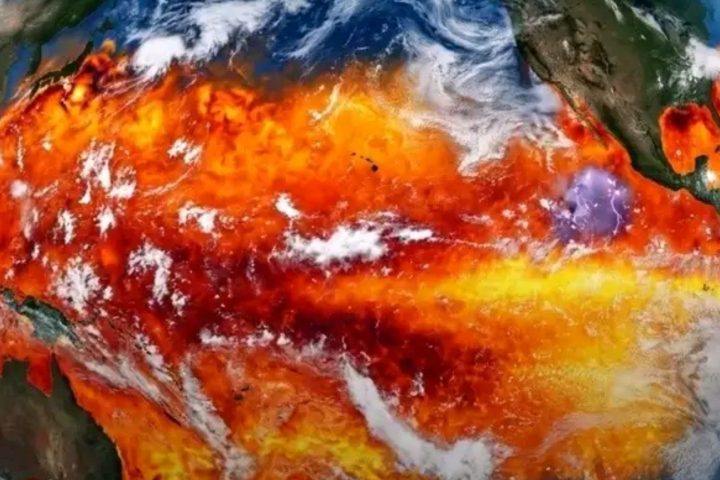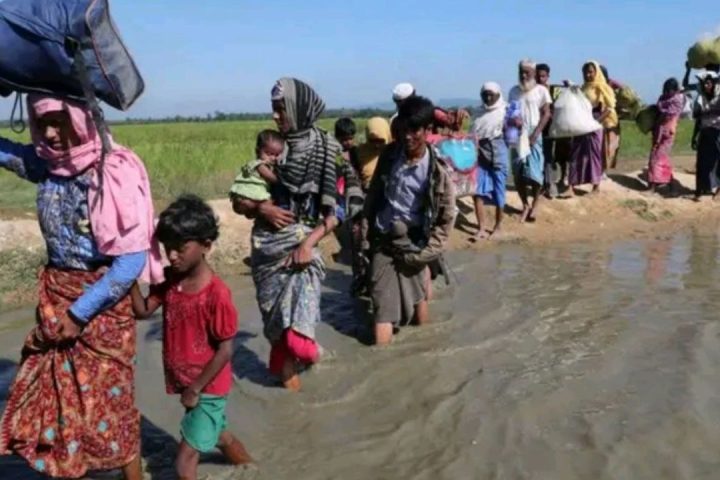
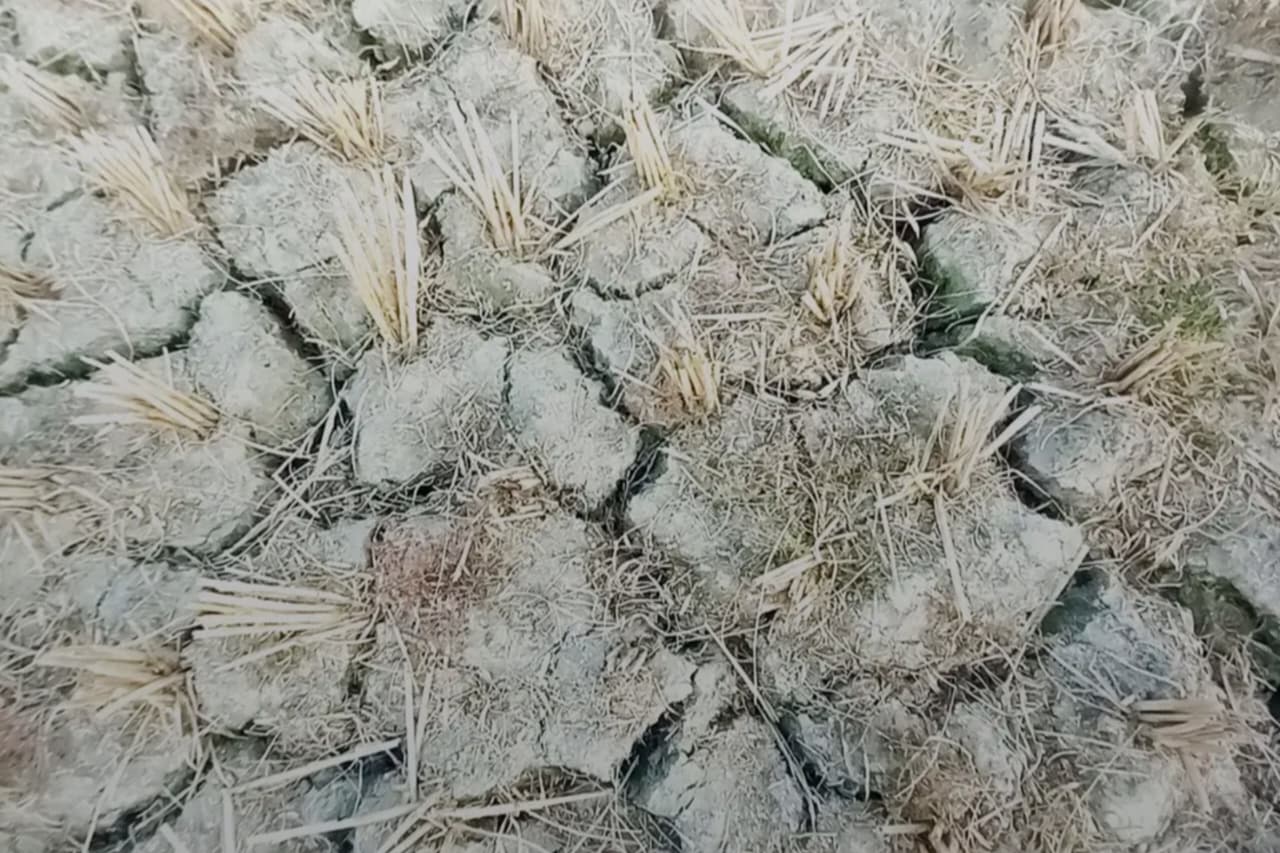
El Niño events can reduce rice yields in Bangladesh by lowering rainfall, increasing heat stress, and disrupting planting and irrigation schedules. Recent reports and studies indicate that these weather changes can negatively impact Aus, Aman, and Boro rice, particularly in drought-prone and coastal regions.
How El Niño affects rice
Bangladesh relies on monsoon rain for rice farming. El Niño can quickly cause issues when rainfall becomes erratic or drops below normal levels. Less rainfall means there is less water for seedbeds, transplanting, and crop growth. Hotter conditions can harm flowering and grain filling. Research in coastal Bangladesh found that El Niño years lead to higher maximum temperatures during rice-growing seasons, which can lower crop performance.
Impact on yields
The most direct effect is a drop in rice production because fields get less moisture at crucial stages. IFPRI notes that during earlier El Niño episodes since 2000, rice yields in affected areas of Asia declined by about 4% to 11% from trend levels due to low rainfall. For Bangladesh, this can lead to weaker harvests, higher production costs, and increased pressure on food supply and prices.
Why recent events matter
Recent heat and rainfall linked to El Niño have already impacted agriculture in Bangladesh. There are reports of drought-like conditions and heatwaves disrupting crops. Since rice is the country’s main food source, even a small drop in yield can affect farmers’ incomes and national food security. This is why climate-resilient rice varieties, better irrigation planning, and improved weather forecasting are increasingly important.
Summary
Recent El Niño events have reduced rainfall and increased heat stress in Bangladesh, leading to lower rice yields, higher farming costs, and food security concerns.
FAQs
1. Why does El Niño reduce rice yields in Bangladesh?
El Niño often brings lower rainfall and hotter weather, which reduce water availability and stress rice plants during critical growth stages.
2. Which rice seasons are most affected?
Aus, Aman, and Boro rice can all be affected, especially when El Niño changes rainfall timing and increases heat during the growing period.
3. How can farmers reduce El Niño damage?
Farmers can use drought-tolerant varieties, improve irrigation efficiency, adjust planting dates, and follow weather alerts to reduce risk.
Read Also: How to register for DDU-GKY training