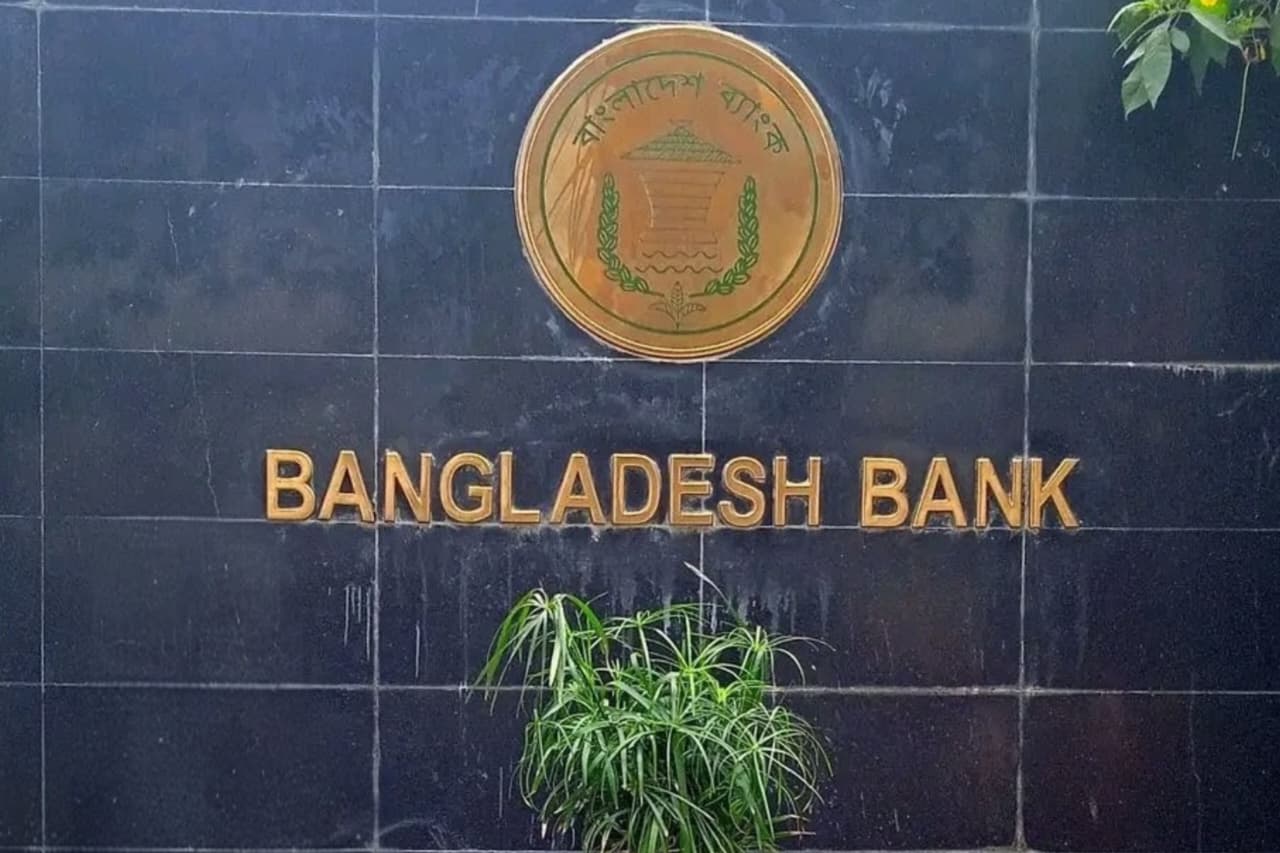
Bangladesh Bank’s decision to cap overdue loan penalties at 0.5% reduces the extra cost borrowers pay when they miss a payment or fall behind on a loan. For many households and businesses, this means lower stress on overdue accounts and a better chance to catch up without the penalty snowballing too quickly.
Why the change matters
The old penalty structure often pushed already-struggling borrowers deeper into debt because overdue charges kept rising on top of normal interest. By lowering the penalty rate, the central bank is trying to make repayment more manageable while still keeping borrowers accountable.
This is especially helpful for small businesses, SME borrowers, and salaried people who were delayed by cash-flow problems rather than an unwillingness to repay. A lower penalty does not erase the debt, but it can reduce the gap between what you owe and what you can realistically pay.
How the new rate works
The 0.5% penalty usually applies only to overdue amounts, not to the full original loan balance. That means if one instalment is missed, the extra charge is calculated on the unpaid portion rather than the entire loan.
For example, if your overdue amount is Tk 100,000, a 0.5% penalty would add Tk 500 for the relevant period, instead of a much larger charge under a stricter penalty regime. Your normal interest rate still applies separately, so the total repayment amount will still include regular interest plus the overdue charge.
Who benefits most
- Borrowers with short-term payment delays.
- Small business owners are facing seasonal income gaps.
- People are restructuring or rescheduling loans.
- Customers with personal or SME loans that already carry high repayment pressure.
What may still stay the same
The penalty cut does not automatically reduce your regular loan interest rate. Your monthly instalment, principal, and normal interest will depend on your original loan contract and current bank policy.
Banks may also keep other fees intact, such as late notice fees, documentation charges, or rescheduling costs if your loan is formally restructured. So the relief is real, but it is not a full waiver.
What borrowers should check now?
- Your loan agreement will show how overdue charges are calculated.
- Whether the 0.5% applies to daily, monthly, or instalment-based overdue amounts.
- If your bank has issued a revised circular or implementation notice.
- Whether rescheduled loans are covered under the new rule.
- Your latest statement confirms how the bank has applied the penalty.
Discover More Stories Worth Your Time
Explore Why Dhaka Air Worst?
Discover how metro construction dust is choking key areas and affecting daily health.
Check Who Joins Notun Kuri?
Explore how 160,000 teens are gearing up for the nationwide sports launch.
See Why Heatwave Turning Critical?
Discover how record temperatures are making the next 48 hours crucial for safety.
Find When Metro Line Opens?
Explore Kamlapur station progress, ticket costs, and expected full-line launch timeline.
Learn How Dhaka Goes Green?
Discover how the new 12-point plan will change waste collection in your area
Practical effect on repayments
If you are only a few days or weeks late, the lower penalty can make it easier to clear arrears quickly. That can help protect your credit behaviour with the lender and reduce the risk of collection pressure.
If you are already significantly behind, the rule still helps, but you may need to discuss rescheduling or partial settlement with the bank. In that case, the biggest benefit comes from stopping the overdue balance from growing too fast.
What this means for the economy
A softer penalty regime can improve repayment confidence and reduce stress among borrowers during periods of high inflation or weak income growth. It may also help banks recover more money over time if customers are less likely to default completely when charges are manageable.
At the same time, regulators will want to balance relief with discipline so that payment delays do not become routine. That is why the main goal is usually to support genuine borrowers facing temporary difficulty, not to reward chronic nonpayment.
A simple example
If you owe Tk 50,000 in overdue instalment value, a 0.5% penalty adds Tk 250 instead of a higher amount under a tougher structure. If your bank previously charged more than that, your overdue burden should now fall noticeably.
If your overdue amount is larger, the savings increase proportionally. That can be important for small firms where every taka saved can be used for stock, wages, or operating costs.
Would you like me to turn this into a more newspaper-style Bangladeshi finance article with a sharper headline and a shorter, published-news tone?