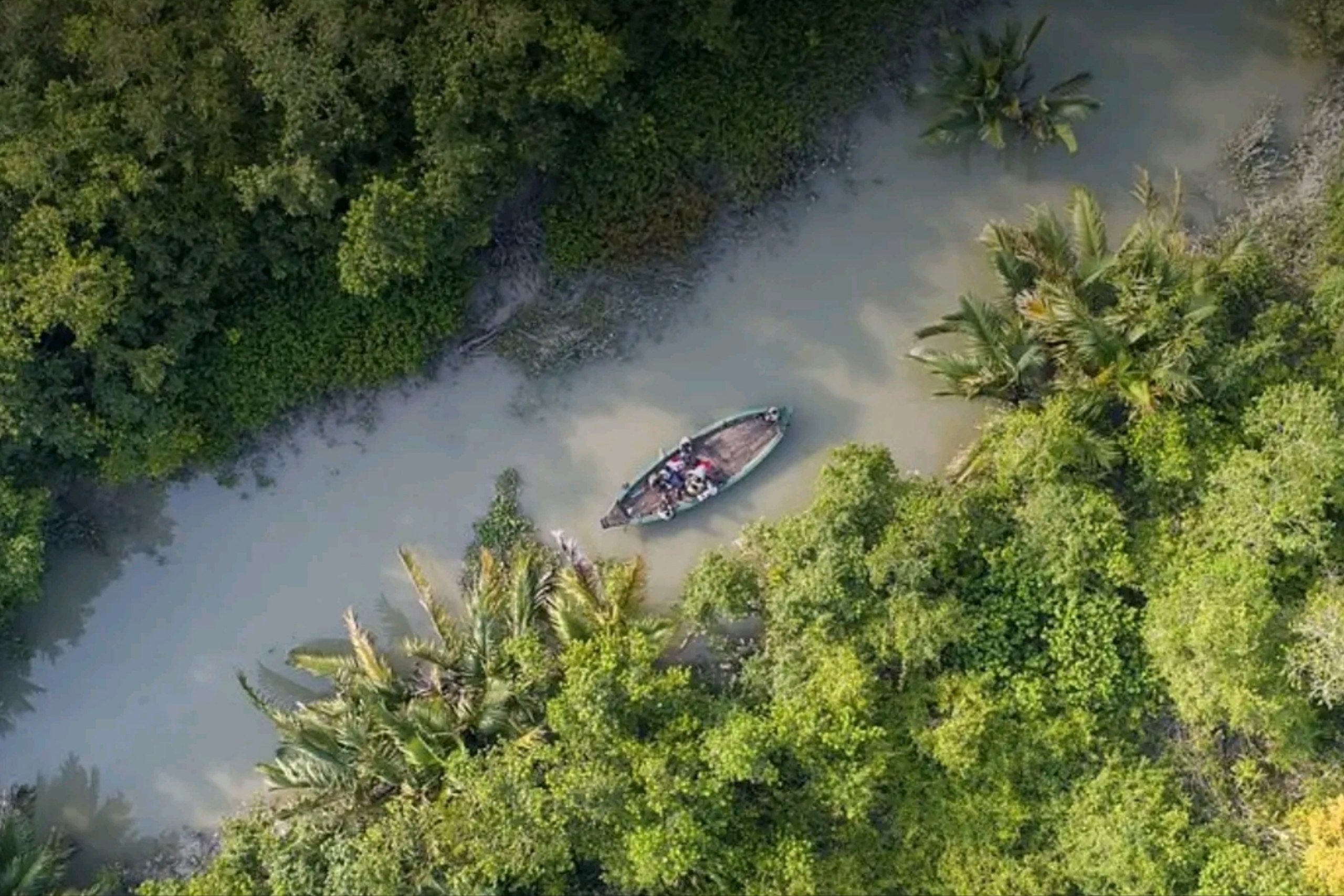
The Sundarbans, the world’s largest mangrove forest and one of South Asia’s most ecologically significant landscapes, has officially begun its three-month annual closure. Seasonal closure: Between June 1 and August 31, 2026, all visitors and forest resource users are prohibited from entering the reserve. Officials have made it clear that no permits will be issued under any circumstances during this window.
The closure is not simply an administrative matter; it is a conservation action taken purposefully to give the forest, its wildlife and its waters space to recover from the impacts of daily human activity.
Why Has Sundarbans Been Closed?
The monsoon months, June to August, are among the most critical times in the ecological calendar of the Sundarbans. This is the time when a large number of species ranging from deer and birds to reptiles and the iconic Royal Bengal Tiger breed nest and rear their young. Any substantial human activity in this window risks interfering with these natural cycles, potentially with lasting consequences for wildlife populations.
The closure has a very positive impact on fish stocks. The three-month fishing ban gives aquatic species more freedom to reproduce, helping to ensure the long-term health of fisheries in the region.
Environmental experts have consistently argued that such seasonal restrictions are not optional but necessary to sustain the biodiversity of the mangrove ecosystem. Furthermore, the forest is still recovering from the damage caused by recent cyclones, making this year’s closure especially important for conservation.
Who will be affected by the ban?
The reach of the restriction is broad:
- All entry routes to be closed for tourists going for monsoon visits
- Fishermen rely on the forest’s waterways to bring in their daily catch, but have to stop operations
- Honey collectors, whose livelihoods depend on the famed Sundarbans honey season, will be unable to access the forest. Gatherers of wood and other forest resource users will face the same three-month halt
- All scheduled trips are expected to be cancelled or postponed by tour operators, cruise services and launch operators during this period
For the communities that live around the Sundarbans and rely on its resources for income, the closure is a major, if temporary, economic disruption.
What about existing tour bookings?
The closure has caught some travellers unawares at this time of year, especially those who had booked monsoon-season trips ahead of the announcement. The refund and rescheduling policies differ depending on the terms and conditions of each tour operator. Some may offer partial refunds, but others are likely to push travellers to change bookings to later dates, post September 1.
Travellers are strongly recommended to:
- Contact your travel agent/tour operator immediately
- Be aware of cancellation and refund policies
- Discuss the availability of travel credit or a rescheduled date
- Keep all booking confirmations, invoices and receipts of payment safe in case of dispute
Why The Closing Matters Beyond Tourism
The Sundarbans is more than a travel itinerary destination. It is a UNESCO World Heritage Site, a globally recognised biosphere reserve and a natural barrier that protects millions of people in coastal West Bengal and Bangladesh from the full force of Bay of Bengal storms and tidal surges.
Short-term, seasonal closures are among the most effective and least-cost tools for protecting wildlife populations and preventing over-exploitation of natural resources, conservationists have long said. By retreating during the breeding season, authorities are investing in the long-term survival of an ecosystem that, once degraded, cannot be easily restored.
Explore How Farmers Get Subsidies?
Discover how the new Farmers’ Card delivers fertiliser, seed, and pesticide support directly at dealer shops.
Check Who Qualifies For Allowance?
Explore eligibility rules and application steps for the new Tk 2,500 family support scheme.
Find Which Learning Plan Fits?
Discover what you get with Shikho, 10 Minute School, and Interactive Cares subscriptions.
See Which Phones Offer Discounts?
Explore the best mobile deals available across local markets and online stores.
Learn Where To Donate Digitally?
Discover which organisations accept bKash and Nagad donations and their key benefits.
When will the Sundarbans open?
If this year’s schedule is not revised, the Sundarbans will be open for tourists and forest resource users on September 1, 2026. As reopening day gets closer, officials are expected to provide more updates and guidelines. Those planning to visit after the monsoon are advised to watch official communications before making fresh bookings.
FAQs
Why are the Sundarbans closed for three months?
The government has closed the Sundarbans from June 1 to August 31, 2026, during the peak breeding and nesting season, to protect wildlife. The closure is also intended to help fisheries conservation and biodiversity protection, and ecosystem recoveries.
Who will be affected by the ban on entry to the Sundarbans?
The ban will not allow entry of all visitors, including tourists, fishermen, honey collectors, wood collectors and other users of forest resources to the Sundarbans during the period of the ban. No entry permits will be issued for the duration of the ban.
Will the visitors who were supposed to visit Sundarbans during the closure period get their money back?
Refund policies will vary from one tour operator to another and their specific booking terms, but since the closure is government-mandated, many tour operators will probably offer rescheduling options or will have a special refund policy in place. Visitors are advised to contact their tour operator as soon as possible to discuss a refund or reschedule their planned visit.
Summary: To protect wildlife breeding, fisheries, and biodiversity, authorities have closed the Sundarbans from June 1 to August 31, 2026. The temporary ban affects tourists, fishermen, honey collectors, and all forest resource users, with reopening expected on September 1.