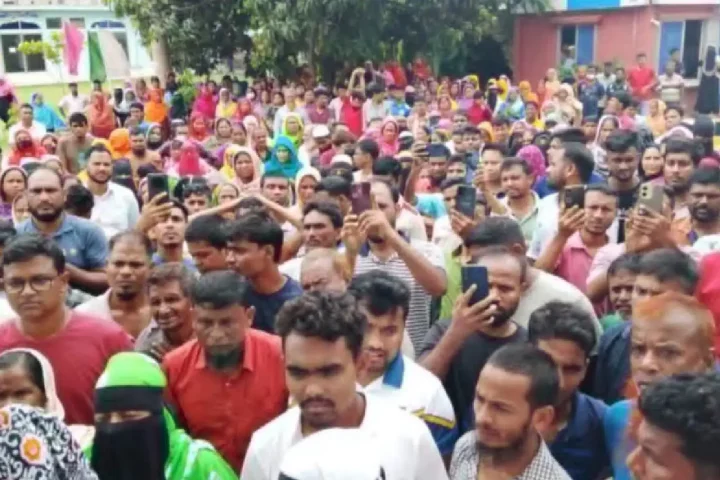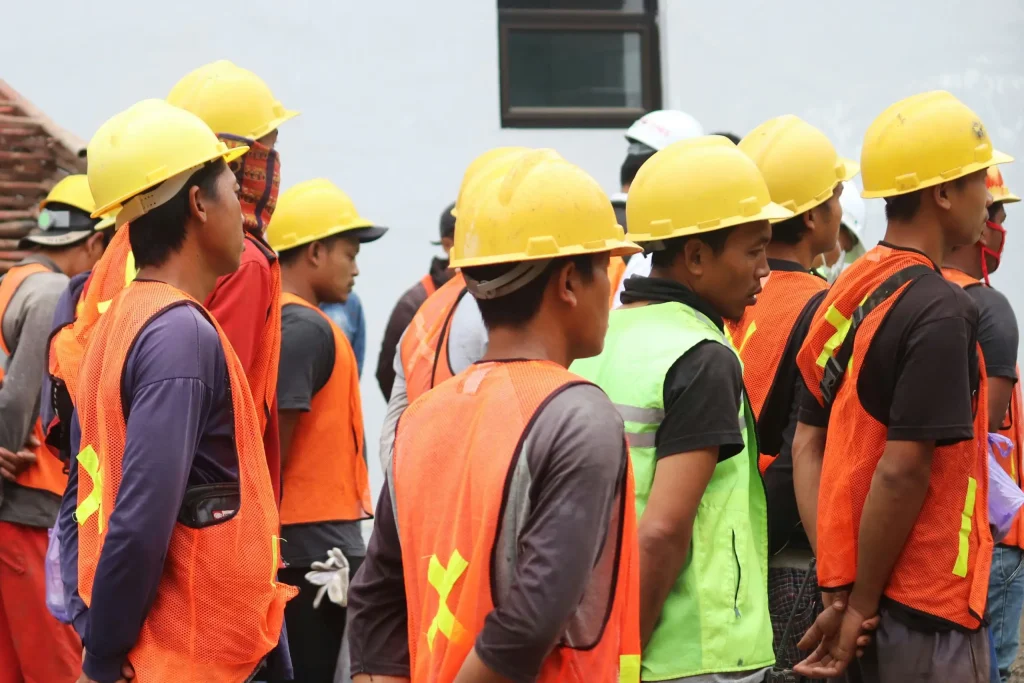
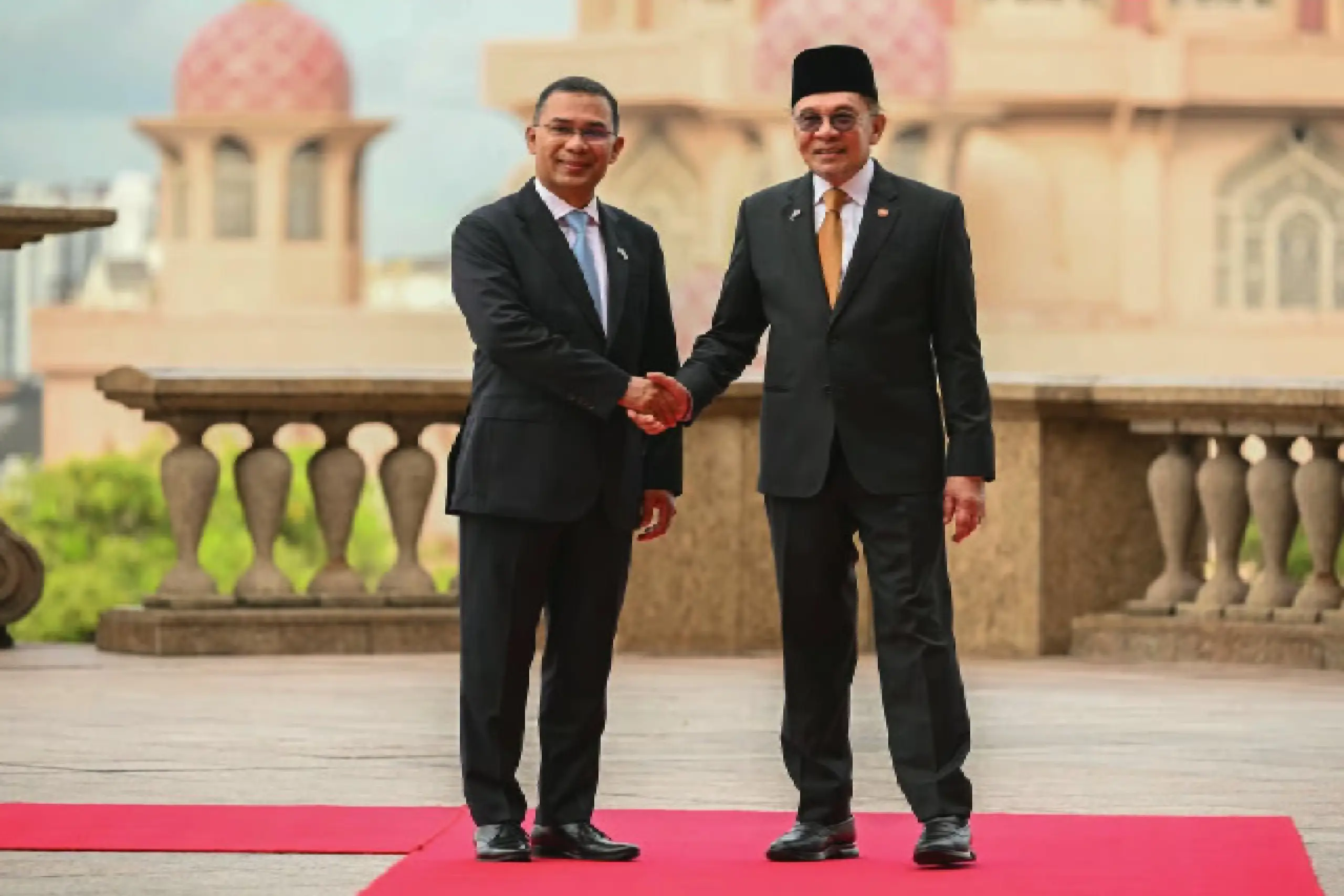
For thousands of Bangladeshi families, Malaysia has remained one of the most important overseas job destinations for a long time. But after years of bickering over recruitment costs, worker exploitation and visa fraud, Malaysia halted new recruitment from Bangladesh in 2018. Now in 2026, there are strong signs that the Malaysian labour market for Bangladesh is reopening and workers, families and recruitment agencies are watching closely.
Both governments have been in active discussions on this through late 2025 and early 2026. Malaysian officials have indicated that controlled, inexpensive recruitment avenues may be reopened soon, particularly for sectors like manufacturing, construction and agriculture that are still facing worker shortages.
Visa Requirements Changes: What’s New?
If the labour corridor is reopened, workers will likely apply through Malaysia’s Visa with Reference (VwR) system. Here’s how it’s supposed to work:
•The employer in Malaysia applies for a work reference number
•Then the Bangladeshi worker applies for the visa using this reference number
•Medical tests have to be done in BMET (Bureau of Manpower, Employment and Training) approved centres in Bangladesh.
•Fingerprinting and biometric checks will be compulsory
•Workers in Malaysia are registered under the Smart Card system
One of the key changes being discussed is a government-to-government (G2G) recruitment model, similar to the one Bangladesh has with South Korea under the EPS scheme. G2G aims to cut costs and reduce fraud by eliminating or strictly limiting the use of private agents.
Migration costs and agency fees: what to expect to pay
This is where most workers have to tread very carefully. Earlier, Bangladeshi workers used to pay Tk 3 lakh to Tk 8 lakh to private recruitment agents, mostly through unofficial channels. Much of that money went to unaccountable middlemen.
The Bangladesh government and Malaysia are negotiating a cost cap for 2026. The realistic breakdown currently being discussed is as follows:
•Government fees & BMET registration: Tk 5,000 – Tk 10,000
•Medical Test (as per GAMCA approval): Tk 5,000 to Tk 8,000
•Smart Card & Finger Print: Tk 3,000-Tk 5,000
•Recruitment agency service charge (if G2G, this is minimal or zero): Tk 0 to Tk 50,000 max if private agents are involved
•Air ticket Tk 25,000 : Tk 40,000 (Depends on Season)
•Total realistic cost under a regulated system: Tk 60,000- Tk 1,20,000.
“If an agent is asking for Tk 3 lakh or more, it is a red flag. Report such cases to BMET or district employment offices.
How to Send Money and Manage Finances as a Migrant Worker
When in Malaysia it’s easier to send money home than it used to be. Bangladeshi workers can now receive remittances directly to their mobile phones through bKash and Nagad, without the need for a traditional bank account. Many banks including Dutch-Bangla Bank and Islami Bank Bangladesh also provide NRB (Non-Resident Bangladeshi) accounts with easy mobile access.
Official banking channels must be used to send remittances, according to Bangladesh Bank rules. Using hundi (informal money transfer) is illegal and deprives your family of government remittance incentives. The government now provides a 2.5% cash incentive on remittances sent through legal channels, so it always uses banks, bKash or Nagad-linked services.
Quick Checklist: Things To Do Before You Apply
If you are considering working in Malaysia, then you should:
•For the real job circular, go to the official website of BMET or your nearest district employment office.
•Register only through BMET certified recruitment agencies
•Do not pay more than the government-approved cost cap
•Undergo your medical test only at a GAMCA-approved centre
•Get a Smart Card and keep all documents as originals
•Tell your family the name of your employer, your home address and contract details
•Open a bank or bKash account before leaving, so remittance is easy
Is it worth it to work in Malaysia for Bangladeshis in 2026?
Yes, for the right person with the right information. Malaysia offers a stable minimum wage (currently around 1,500 Malaysian Ringgit a month), lower living costs than Middle Eastern destinations and a large Bangladeshi community for support. Most jobs are in construction, factories and plantations.
But workers need to look out for themselves. Signing a contract you haven’t read, paying unofficial fees or trusting an unlicensed agent can turn a good opportunity into a debt trap.
Discover More Stories Worth Your Time
Heading: How Can You Apply for an E-Passport in Bangladesh Quickly?
Learn the fastest online application process, fees, and required documents.
Heading: How Can Bangladeshi Expats Check Their UAE Visa Status Online?
Check your UAE visa validity and application status in a few simple steps.
Heading: What Are the 4 New Subjects in Bangladesh’s 2027 School Curriculum?
Discover the latest curriculum changes and what they mean for students.
Heading: Which Bank Offers the Highest FDR Interest Rate in Bangladesh?
Compare top FDR rates to maximize returns on your savings.
Heading: Which Cashback & Payment Offers Give You the Biggest Savings?
Explore the latest cashback and payment deals available in Bangladesh.
Conclusion: Keep informed and apply only through official channels
The Malaysian labour market for Bangladesh may be reopening at last in 2026, but only regulated migration would save the workers from exploitation and high costs. Whether it is a G2G scheme or a licensed agency, always check before you pay and always send money home through bKash, Nagad or your bank to avail the government’s remittance bonus.
The ONE Thing You Do Today: Visit the BMET website or call 16135 to check the latest official updates before speaking to any agent.
Summary:
Malaysia is in talks to reopen its labour market to Bangladesh after years of restrictions. This article breaks down the latest visa rules, realistic agency fees, total migration costs, and what Bangladeshi workers need to do before applying in 2026.